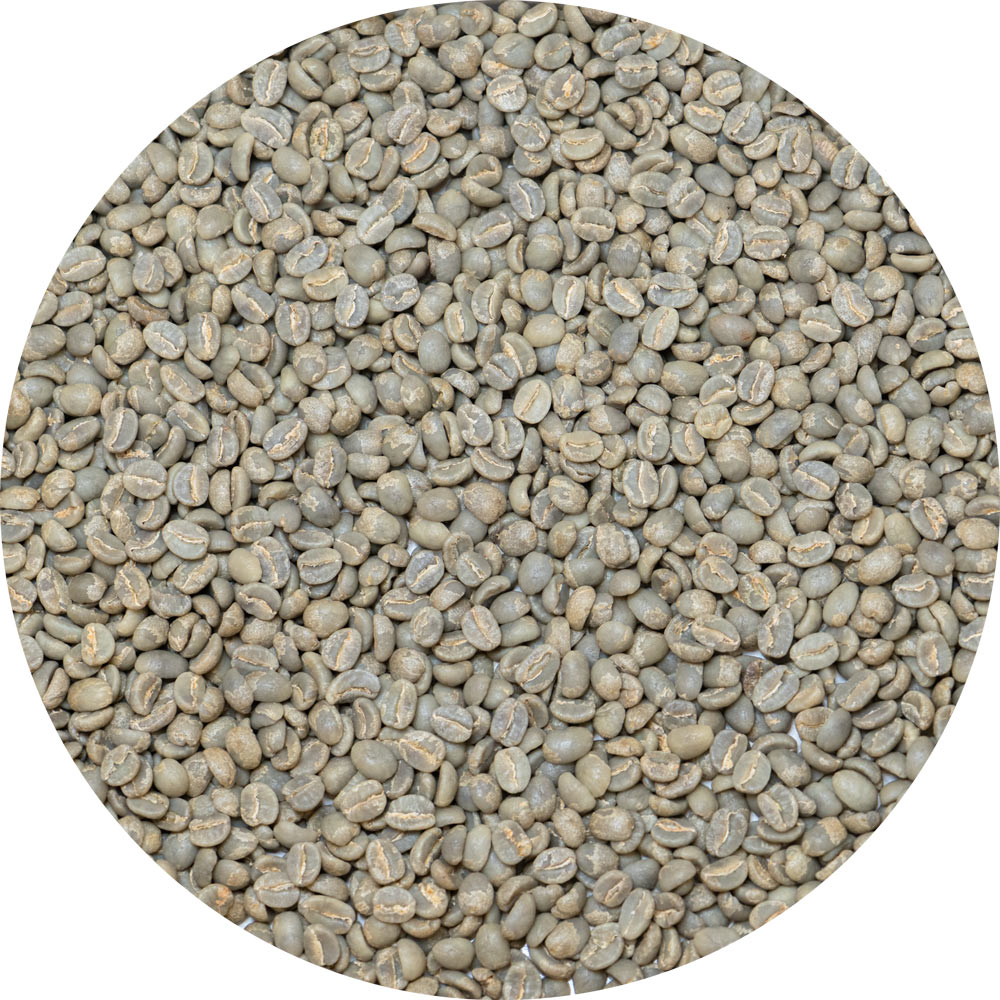
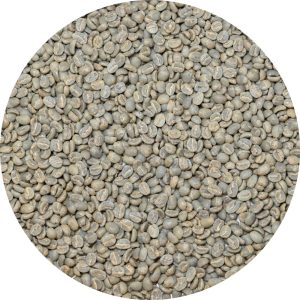
Description
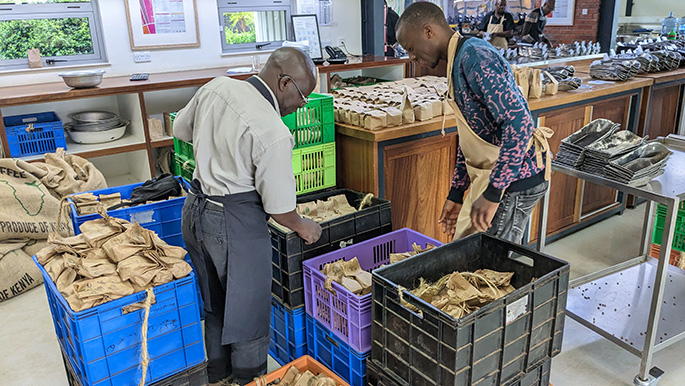
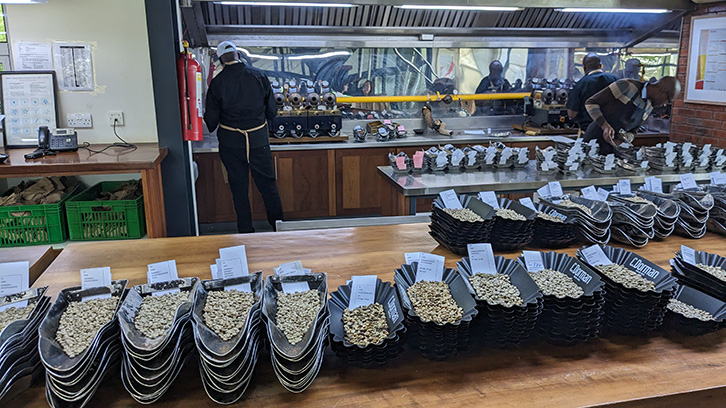
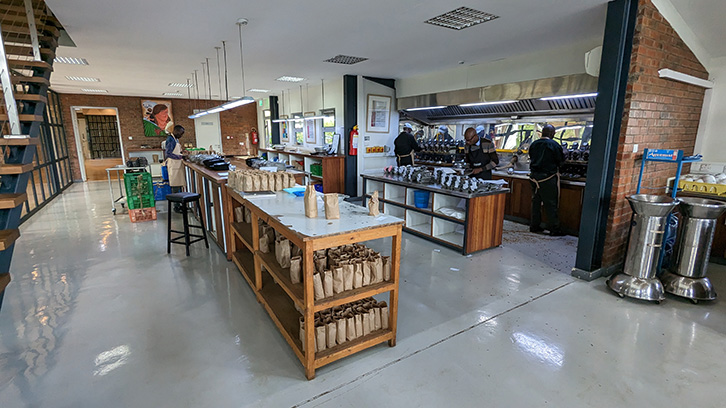
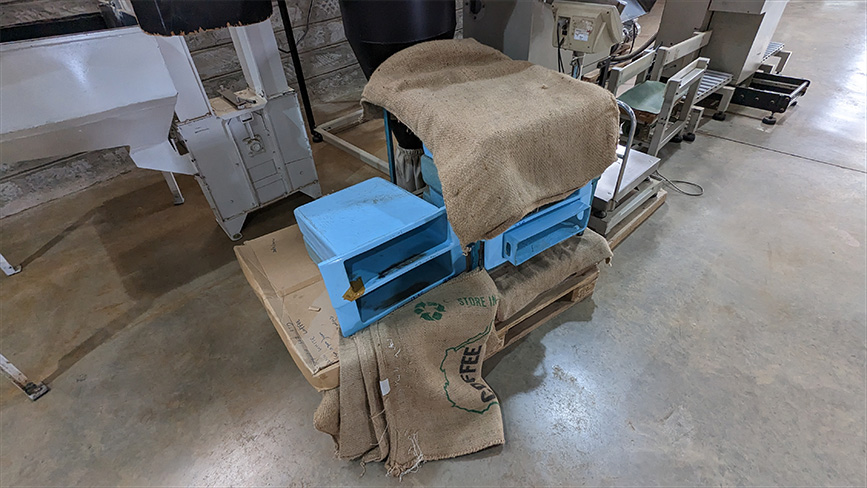
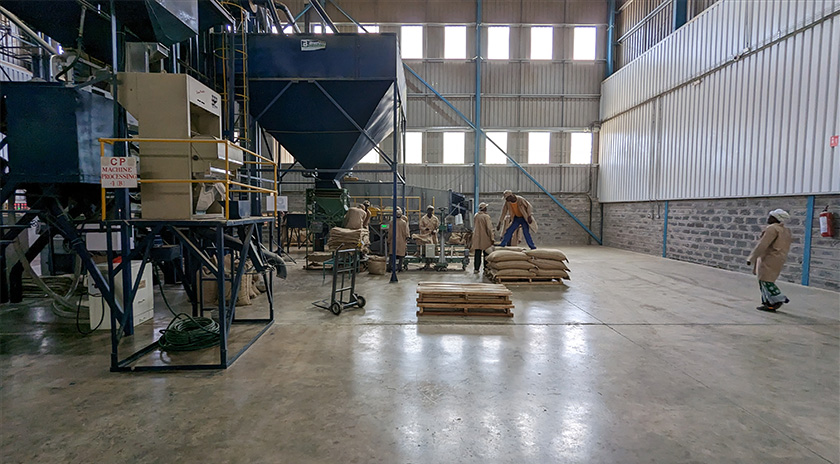
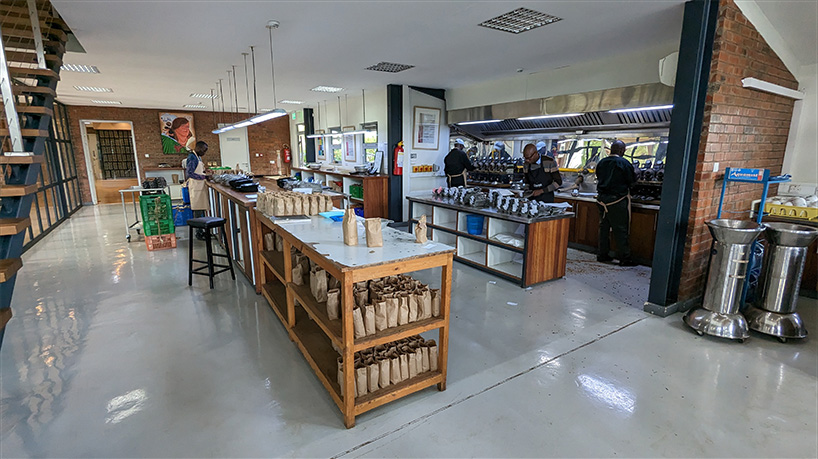
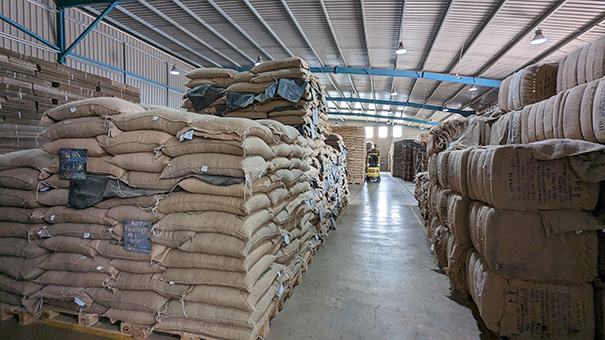
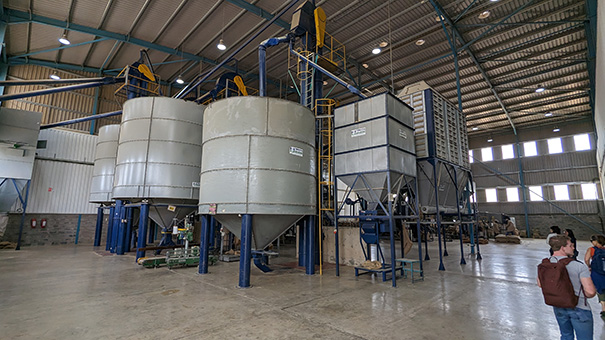
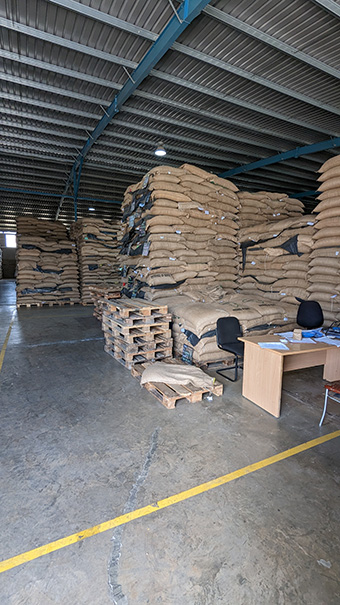
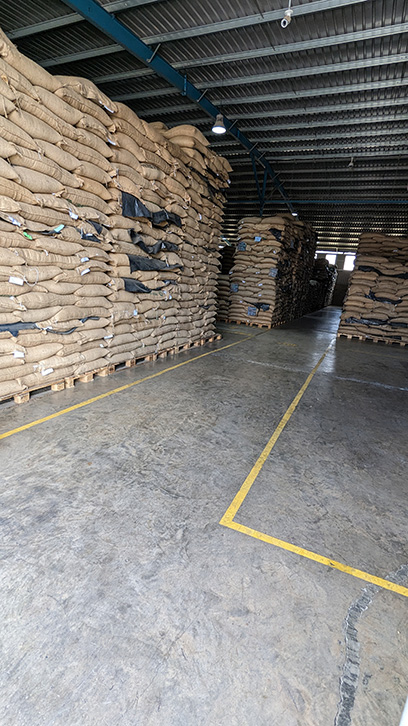
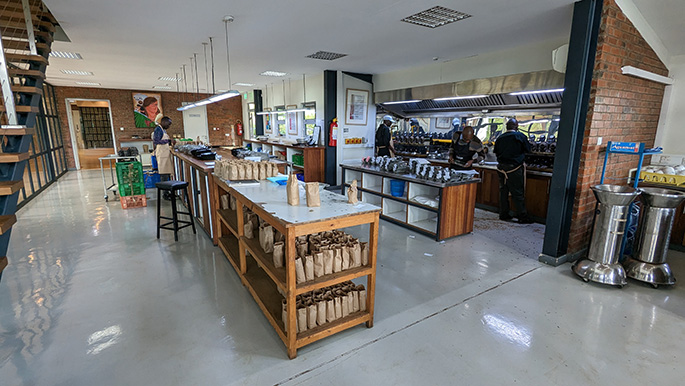
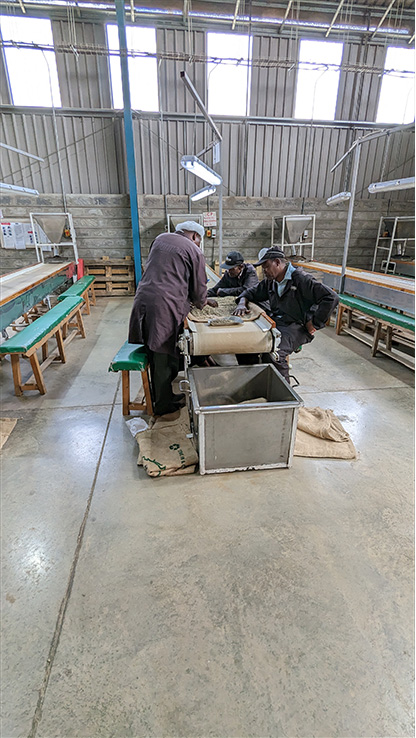
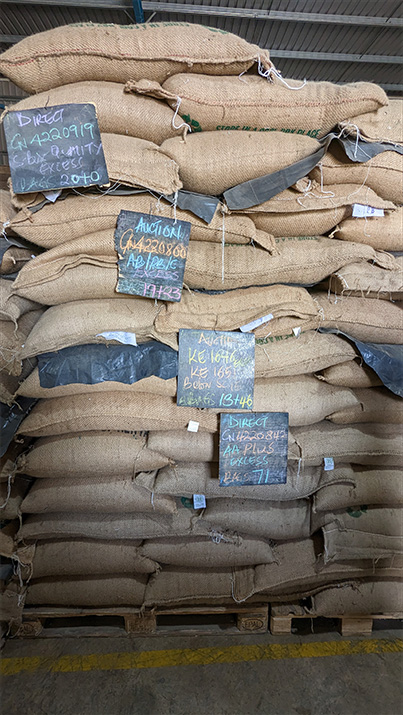
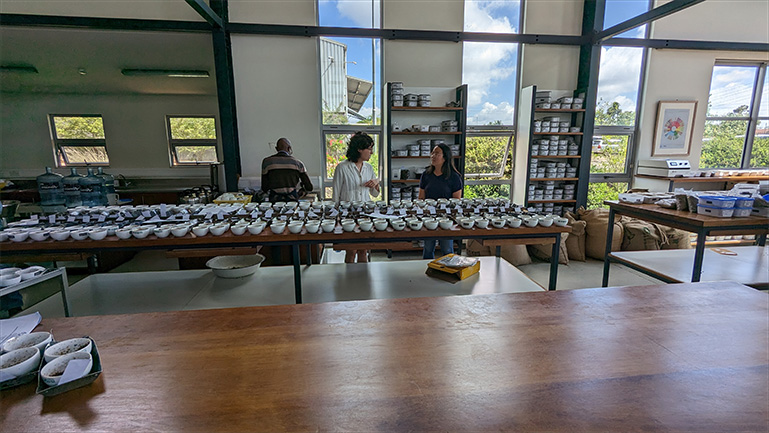
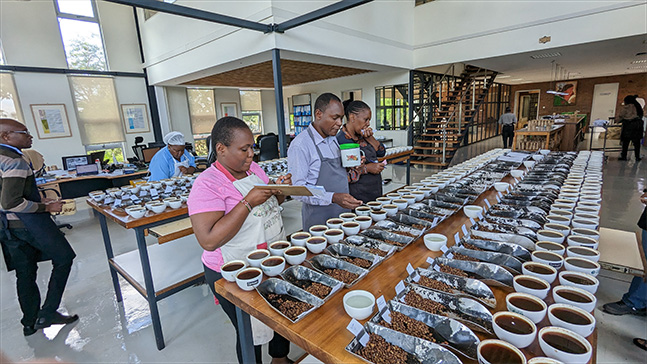
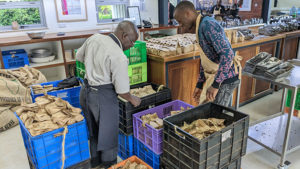
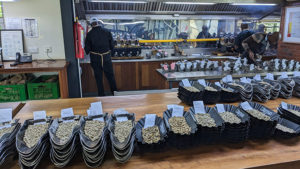
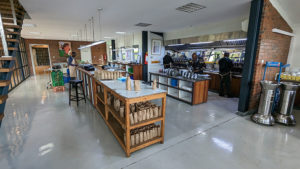
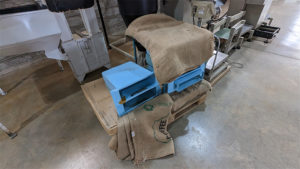
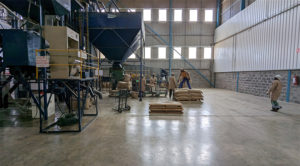
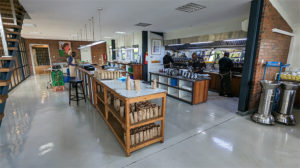
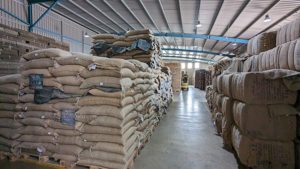
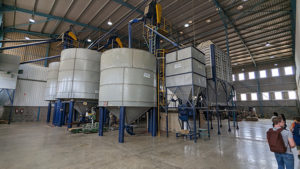
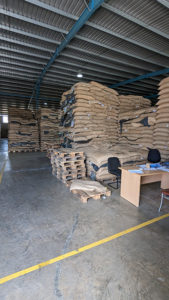
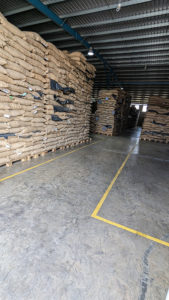
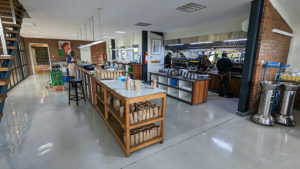
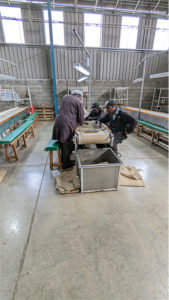
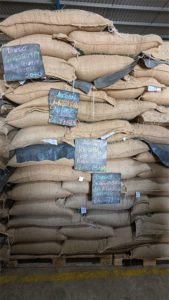
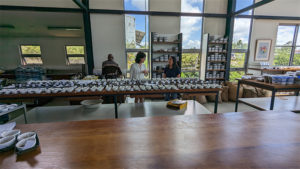
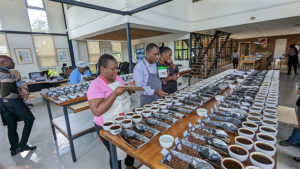
This was one of my favorite destinations on my recent Kenya trip. The Othaya FCS (farmer co-op society) was second to none. One of the few farmer co-ops that owned and operated their own dry mill. Most of the dry mills were owned by large foreign agriculture companies. Way cool to see 100% locally owned and operated Kenyan coffee competing with the crazy large foreign agricultural companies. A real feel good operation.
This lot comes from the Rukira Factory, one of the washing stations that make up the Othaya Farmers Cooperative Society, in Nyeri County, Kenya. Rukira was founded in 1979 and today gathers close to 800 smallholder farmers, roughly 600 of whom are actively harvesting and delivering cherry to the station. Othaya is one of the country’s larger societies, with around 19 factories and more than 14,000 farmer members spread across southern Nyeri, and it runs on the Kenyan cooperative system, where members vote on representation, marketing and milling contracts, and profit allocation.
Nyeri is probably the most recognized county in Kenya’s central region. It sits on the high slopes near Mt. Kenya and the Aberdare range, in a wet, high-elevation setting with mineral-rich volcanic loam soils, conditions many consider ideal for producing some of the country’s best coffees. This lot grows between 1700 and 1890 masl and is made up of the classic Kenyan varieties SL28 and SL34, along with Ruiru 11 and Batian, selected for cup quality and resistance.
Tasting Notes: A very clean AA with the Kenyan signature fully on display. At lighter roasts it is bright and juicy, with grapefruit-like citric acidity, red fruit tones and a floral backbone. Medium roasts balance out: the acidity rounds toward orange and stone fruit, brown sugar shows up, the body gets denser, and it closes with a chocolatey note. Darker roasts turn strong and semi-sweet, with baker’s chocolate, deeper notes and a touch of roastiness, holding structure without losing the character of the origin.
Roasting Notes: Good at almost every level, but it is an expressive cup. Lighter roasts will be fairly acidic and floral; darker roasts full bodied with chocolate and spice. Most will want to start at a full city and move lighter or darker to taste. It is a good candidate to slow the roast down a bit, especially at the lighter roasts, to mute some of the acidity and build greater flavor depth.
We have a real soft spot for Kenyas, and the ones from Nyeri are among the best at explaining why. The area is cool, high and well soiled, and the Othaya cooperatives are tightly organized: they keep central nurseries, employ agronomists for farmer education, and fund improvements voted on by the members themselves. Smallholder economics remain tough, since many margins get sliced off between the export price and what reaches the farm, and payment usually arrives months after harvest. Even so, because Kenyan coffee is sold competitively by quality, well-endowed counties like Nyeri earn high average prices year after year, and many of the smallholders here are considered middle class.
More Green Coffee Bean Information:
Guide to coffee processing methods
Guide to coffee varieties/cultivars
Guide to coffee regions


Reviews
There are no reviews yet.