Description
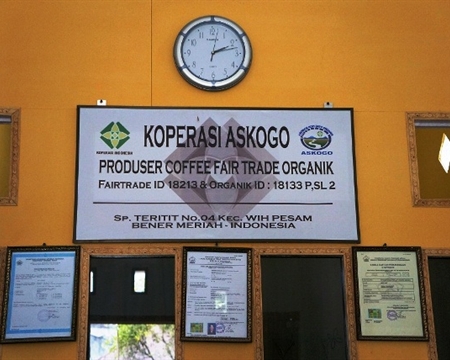
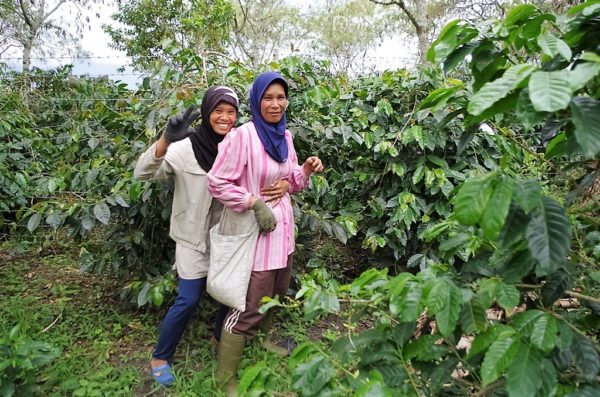
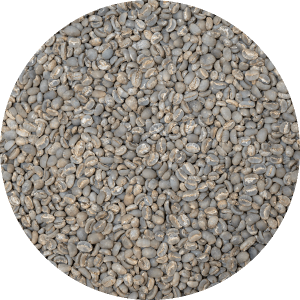
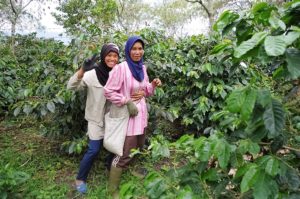
This lot comes from smallholder farmers organized around CV. Gayo Mandiri, in the Bener Meriah Regency, Aceh District, on the island of Sumatra, Indonesia. It is a classic example of traditional wet-hulled Sumatra, quite different from African or American coffees. Best at medium to dark roasts. The beans grow between 1000 and 1400 masl on volcanic loam soil, from Tim-tim and catimor varieties, and that origin shows up in the cup: dense body, dark tone and a semi-sweet richness with earthy chocolate and notes of cedar and spice. Sometimes a citrusy or herbaceous hint peeks through for added complexity, consistent with the clean, organic profile of this lot.
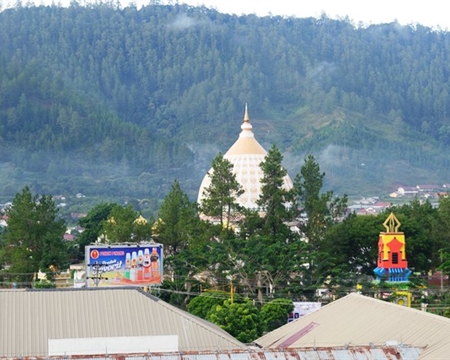
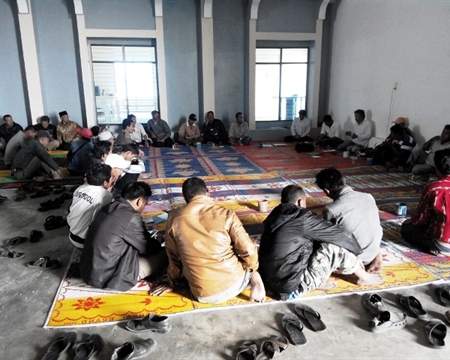
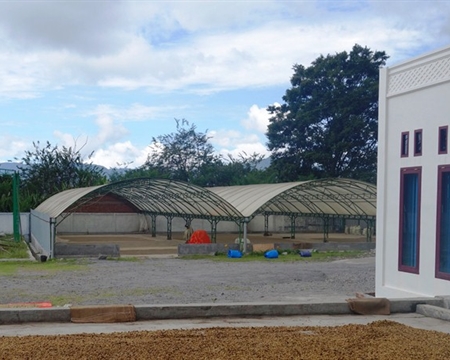
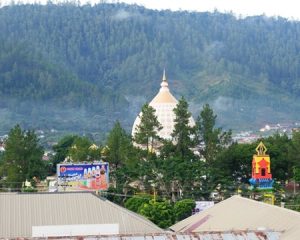
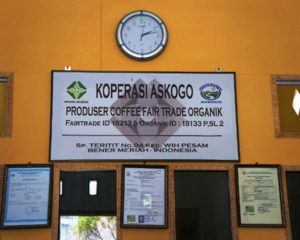
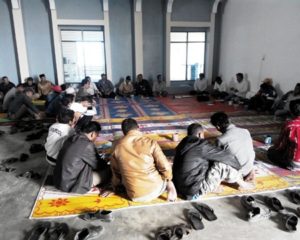
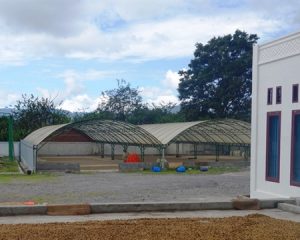
This part of Indonesia is also known as the Gayo land, because the coffee farmers belong to the Gayonese ethnic group, who have called Aceh home for generations. The farms surround Lake Tawar and the town of Takengon, on a highland considered one of the most unique coffee terroirs in the world: tropical forest, near-constant mist and rain, and deep, spongy soils that keep coffee ripening much of the year. CV. Gayo Mandiri is a family-operated exporter based in Bener Meriah that works with local cooperatives, runs a central dry mill and sustains a relationship-based model with its buyers, distributing tools and dividends among members and investing in drying tents to reduce the risk of spoilage.
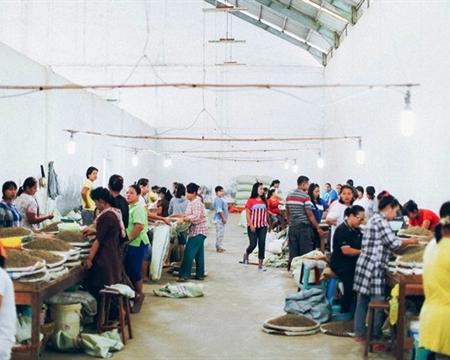
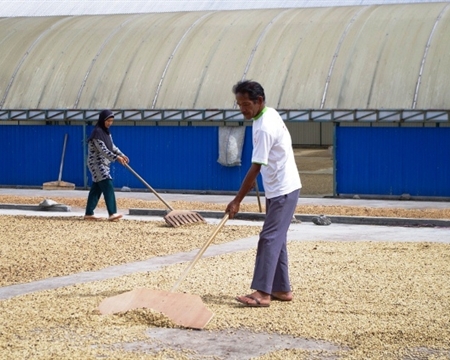
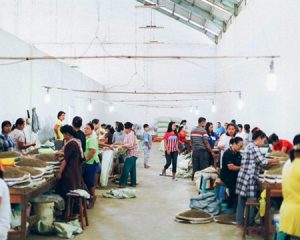
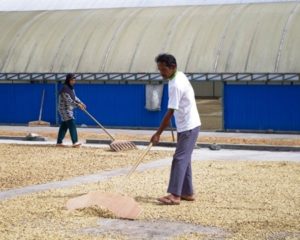
Wet-hulling (called Giling Basah) is the region’s traditional method and is done like nowhere else in the world. The chain is collective: each village has collectors who receive the freshly picked cherry, depulp it, ferment it overnight, wash it and dry it to the touch. The batch then moves to the cooperative’s hulling stations, where the parchment is removed while the bean is still high in moisture (hence wet-hulled) and drying continues on patios and tarpaulins until it reaches 13 to 14% moisture. Every step is traced by the cooperative and the coffee is hand-sorted several times to meet the Grade 1 standard before export. This process is what gives the bean its distinctive color and hallmark Indonesian profile.
Tasting Notes: A clean, earthy and complex organic Sumatra. These traditional wet-hulled beans are best from medium to dark roasts. At light roast levels they rarely shine, tending toward the herbaceous and vegetal side (that kale-like green note) with a somewhat raw lemon-zest acidity. At medium they balance out: fuller body, low acidity, earthy chocolate, sweet potato and a carob backbone, with that cedar briskness so typical of Aceh. Toward dark they turn semi-sweet and powerful, with baker’s chocolate up front, sweet tobacco and a smoky touch in the aftertaste. A classic terroir cup, more about spice and wood than fruit.
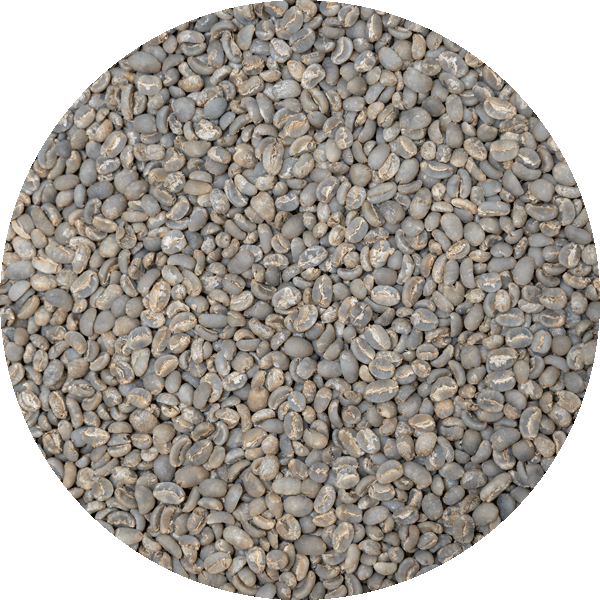
Roasting Notes: A good screen size and very little chaff make these easy to roast. Like all wet-hulled coffees, they roast a bit two-toned, so aiming from medium to dark is wise and you want to make sure the lighter beans make it well through first crack. Most will want it borderline into second crack: as soon as you see any signs of smoke or oil on the surface, cool it out. Being already low in acidity, a slightly quicker roast retains a bit more sweetness and crisper tones.



Greg (verified owner) –
This is Peets Sumatra and a big part of its major dickinsons…I’ve been tasting my way through Sumatra for over a year from various sellers….dark earthy big bold smooth good sweetness..roasted one minute into 2nd crack on an sr800 with the razzo 12″ roasting chamber…this is the classic sumatra…love it!
Colton Boontjer –
Im not a great roaster (using a popcorn popper) but this coffee has been tasting amazing! I pull it before second crack.