Description
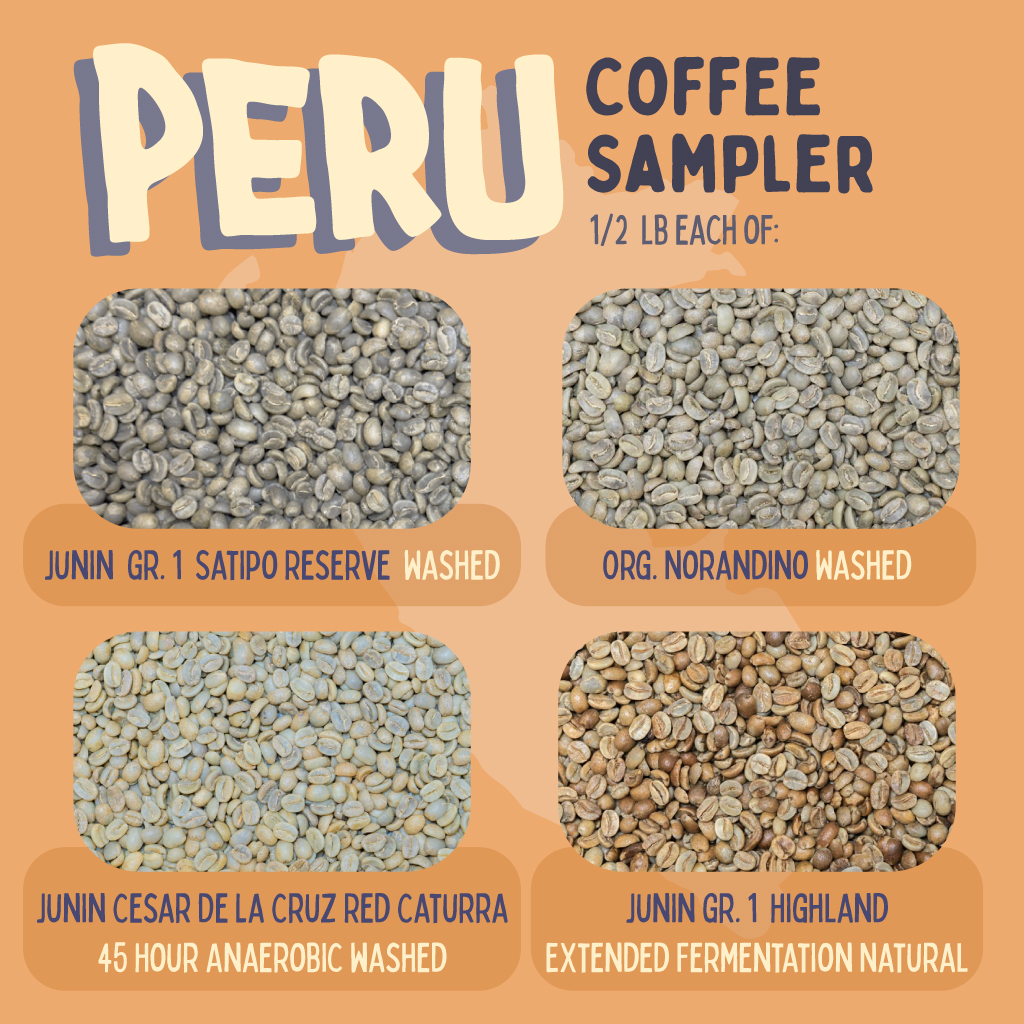
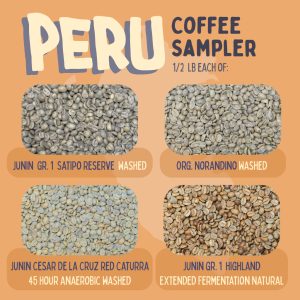
A half pound each of:
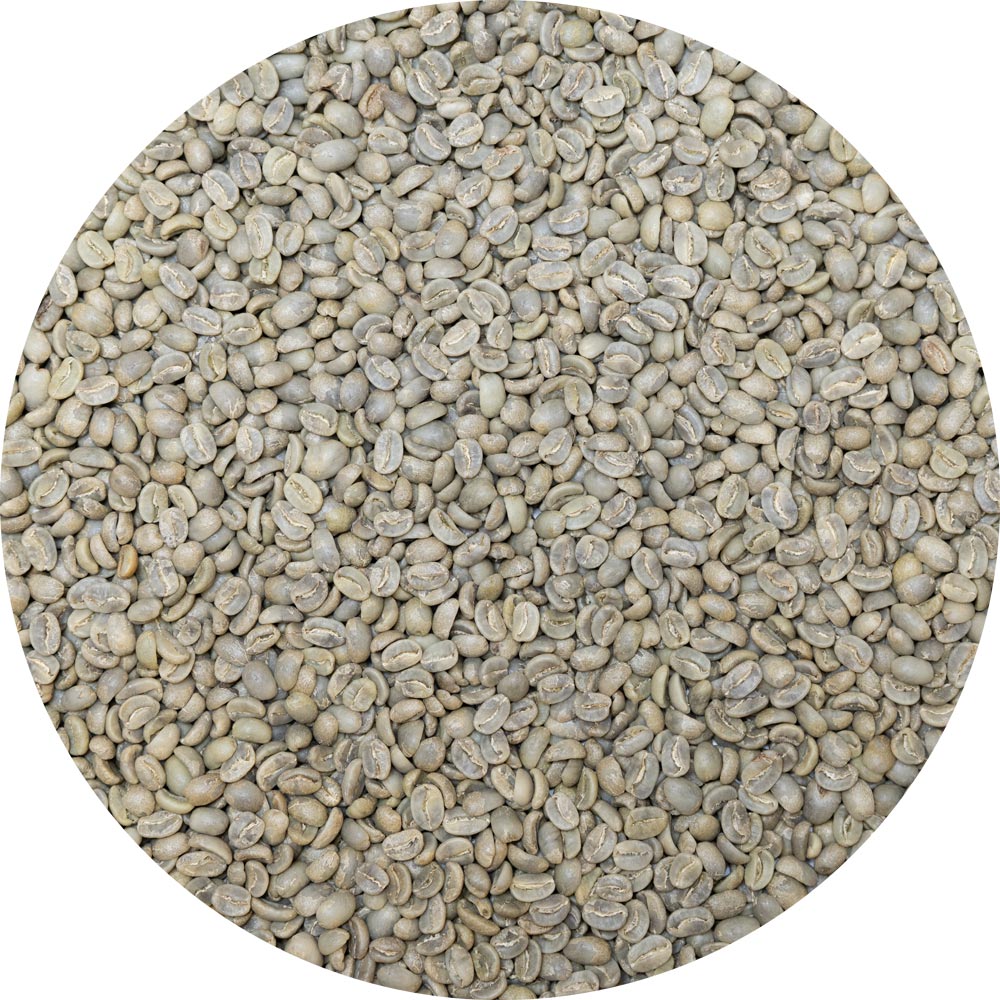
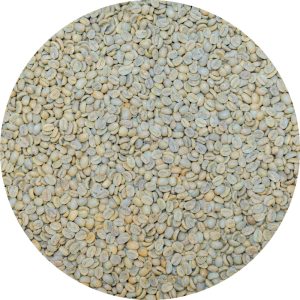
Peru Junin COOPAGRY Gr. 1 – Satipo Reserve – Washed
A fresh and tasty, direct trade and fully traceable Peru! Partnering with our friends behind Mexico’s Terruno Nayarita co-op (FincaLab), whose growing and traceability system are second to none. This offering is the traditional one, lower acidity, fuller bodied, rich nutty/chocolate like tones.
COOPAGRY is a forward-thinking organization founded to address the need for socio-economic stability in our region of Junín, Peru. Driven by complete transparency and a dedication to bottom-up traceability, we use cutting-edge FincaLab QMS technologies to ensure the highest standards in quality and sustainability. Our shade-grown coffees are both delicious and support forest biodiversity and conservation.
See full traceability along with more info here.
Tasting Notes: A lower acidity, thicker and creamier daily drinker. Best from the medium to dark roasts. At medium roasts, the cup starts just a little citric, fairly low acidity only detectable at the lighter side of a medium roast, a hint of sweet soft fruit note if a dig a little, but mainly a pretty chocolaty cup profile with some nuttier accents. Lighter roasts one can find a hint of caramel if you get lucky, but risks a little herbal note if too light. A nice medium to borderline dark roast will make anyone happy and provide good balance and smooth chocolate tones, low acidity – a good daily drinker. Darker roasts into 2nd crack work well but burn out a bit of the sweetness and gets a little smoky, the more robust chocolaty factor sure compliments the toastier tones of the dark roasts.
Roasting Notes: An easy bean to roast. If you like a little acidity and a more exotic cup profile, stick with the lighter roasts, just a little development past first crack. For most, getting a little closer to 2nd crack than first (medium) builds the body and chocolaty factor while producing a lower acidity cup. Darker roasts work for dark roast fans, but otherwise should be avoided.
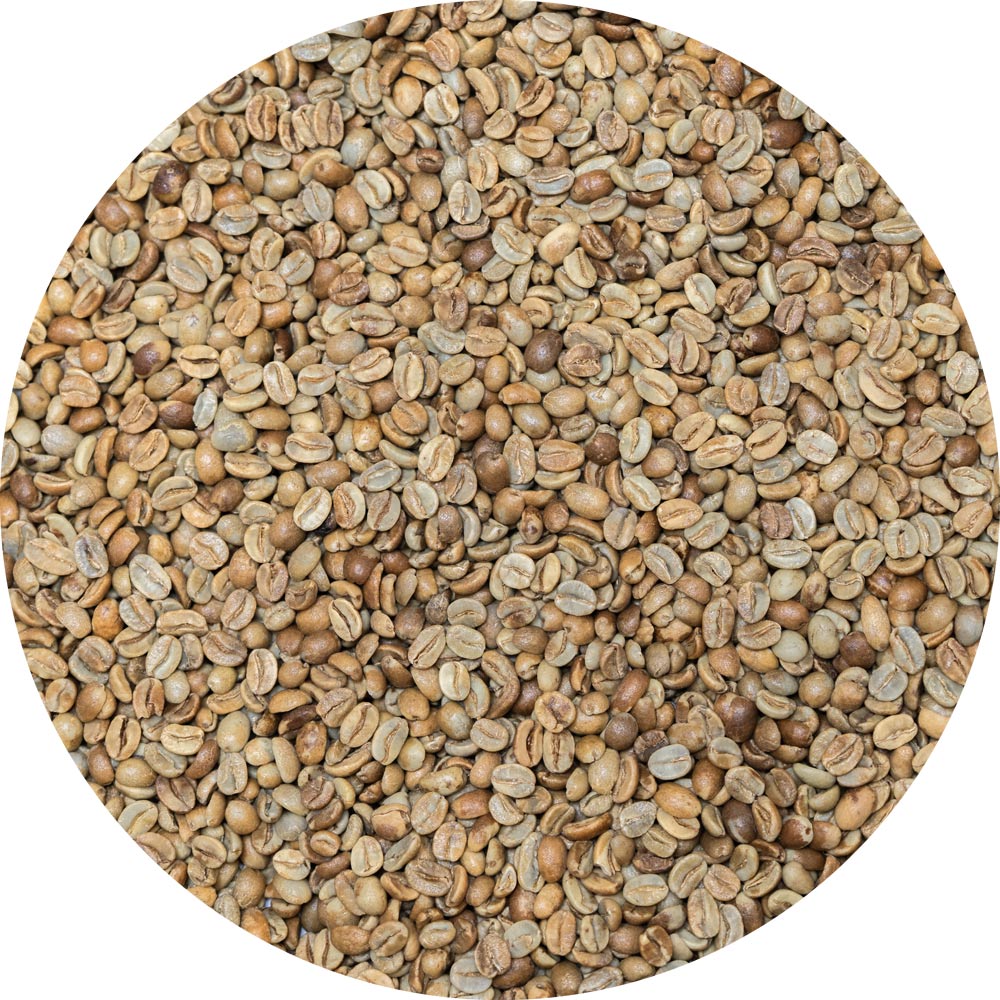
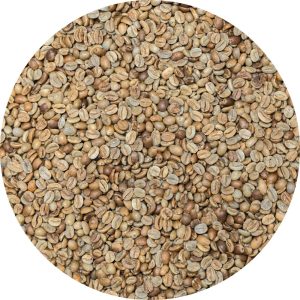
Peru Junin COOPAGRY Gr. 1- Highland Select Reserve – Extended Fermentation Natural
Natural processed fans only on this one. It is a very highly rated cup but filled with fruity and ferment tones, pretty wild in its tastes.
Tasting Notes: Best served in the light to medium roast levels. Bright, citric and fruity tones comingle with a thicker body, more syrupy mouthfeel and a boozy chocolate dark tone. The citric will hit you first but quickly turns into very ripe red fruit notes, sweet and complex first sip, can be a little blasty at light roast points. Pulls some balance with a boozy chocolate note that will linger on the tongue. The boozy quality is pretty faint at the lighter roasts but is accentuated as you head into the medium or dark roasts. Medium and beyond I would link it to more of a barrel aged tone. This is a full flavored cup with a plethora of flavor hints that poke out depending on roast level and setup time. Give this one at least a couple of days to mellow before drinking.
Roasting Notes: High chaff and slightly uneven roasting. If your a natural processed fan though, this is one not to miss, the body and mouthfeel to this cup is not often found with fruity naturals. A reduction in batch size is wise with the chaff levels, would recommend starting with a light-medium roast level and adjust based on personal taste preference. We did not find this cup overly acidic or floral, generally fitting a quick roast profile.
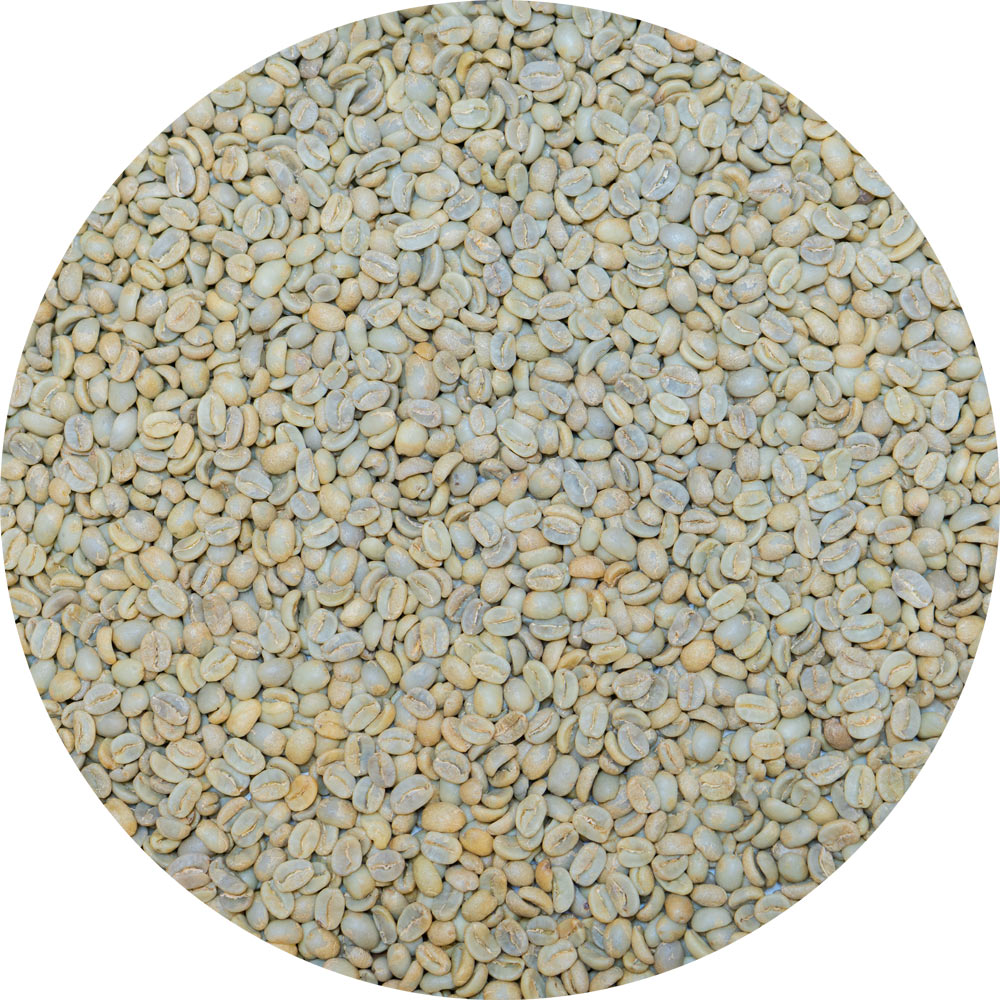
Peru Junin COOPAGRY – Cesar De La Cruz – Red Caturra – 45 Hour Anaerobic Washed
A higher rated, more acidic and slightly fruity Peru!
Unlike most co-op coffees, this is a single farmer micro-lot, grown by Cesar De La Cruz, and meticulously processed by COOPAGRY. Being a microlot, it is not screened for bean size, will have some smaller and larger beans mixed in. Good prep, low defect and wonderful tastes.
Tasting Notes: Best at light to medium roasts. This cup is nice and clean, brighter, with a medium body and a sweeter edge. A great year for Peru coffees. At the light roasts the cup starts on the citric side, which can be a little punchy, but will fade into a hint of soft fruit and balance with a pretty chocolaty cup with some nutty accents. The richer dark tones linger on the tongue more than the brighter fruitier tones, making it easier to drink than many lighter roast, brighter coffees. A nice medium roast will make anyone happy, cutting the more punchy brighter tones but not killing all the wonderful flavor diversity. Good balance and smoother, lower acidity – a good exotic daily drinker. Darker roasts work good but burn out a bit of the sweetness, the chocolaty factor sure compliments the toastier smoky tones of the dark roasts.
Roasting Notes: An easy bean to roast. If you like a little acidity and a more exotic cup profile, stick with the lighter roasts, just a little development past first crack. For most, getting a little closer to 2nd crack than first (medium) builds the body and chocolaty factor while producing a lower acidity cup. Darker roasts work for dark roast fans, but otherwise should be avoided.
In Peru, the bulk of production comes from small farms owned and managed by indigenous people who follow organic farm management practice attuned to their cultural connection with the land. Producers typically cultivate coffee on just a few acres of land intercropped with shade trees, bananas, corn, and beans. They carefully harvest and sort cherries before depulping, fermenting, washing, and drying the coffee using their own micro-mills. Simultaneously, cooperatives carry out activities that often go unnoticed but are crucial for small producers. These cooperatives are often divided into smaller locally run organizations, larger regional organizations, and even larger umbrella organizations.
The local cooperatives focus on training producers in best organic practices and invest in basic infrastructure needs like road improvements and establishing local warehouses. The regional cooperatives focus on creating credit for producers and investing in social programs on a larger and more impactful scale, using the collective resources generated from the sale of coffee. Environmental training programs, healthcare initiatives, life insurance, and educational opportunities are just some of the ways these cooperatives strive to improve the quality of life for coffee producers and their families.
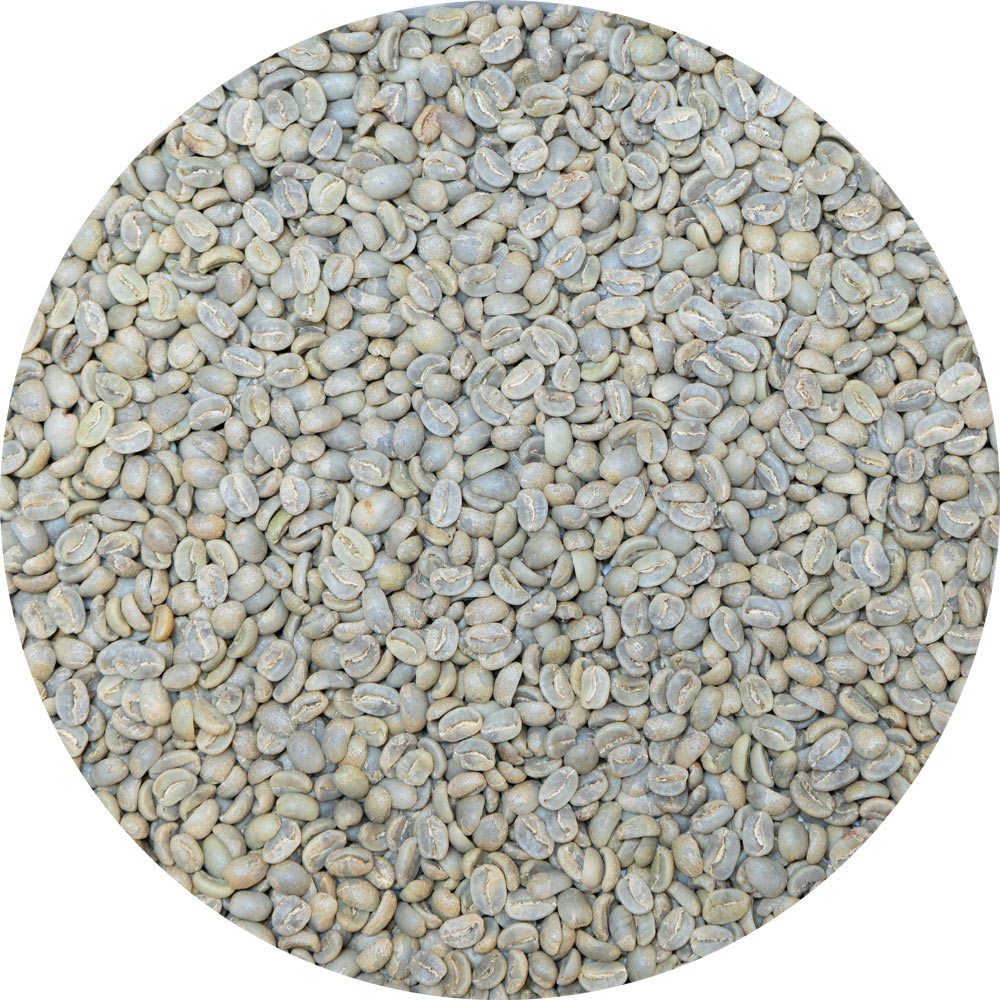
Cooperativa Agrícola de Servicios Múltiples Norandino (Norandino) is an umbrella cooperative formed to support three regional cooperatives called CEPICAFE, CENFROCAFE, and Sol y Café. Combined, these organizations have approximately 7000 producer-members who cultivate 25,000 acres of coffee in the regions of Piura, Cajamarca, Amazonas and San Martin. Preparing coffee for export produced through these regional and local cooperatives is all coordinated through Norandino, which ensures traceability and quality control throughout the post-harvest process. Norandino boasts one of the most state-of-the-art dry mill operations in Northern Peru along with a fully staffed and SCA certified cupping lab equipped to cup through thousands of samples and identify the potential for every coffee that is received.
Tasting notes: A great daily drinking Peru! Best right around a medium roast but works well from light to dark. It stands out for being a very clean and sweet cup. At lighter roast levels it has some crisp acidity, not over the top but noticeable, gives a quick hit lemon and floral that will balance with nutty and chocolate like darker tones. Small hints of caramel and dried fruit will pop out with a little setup. At medium roast levels, you get more of a smooth easy drinking cup, less acidity with accentuated nutty/chocolate tones, a hint of spice in the aftertaste, provides the best balance of light/dark tones. Darker roasts are a little flat and roasty, but on the more neutral side, classic darker roast beans: smooth, rich and on the roasty chocolate side of things with a little nuttiness in the aftertaste.
Roasting notes: An easy coffee to roast, very forgiving and tasty from light to dark. It has medium to low chaff levels and roasts pretty even. If you want to highlight its acidity more, lighter and quicker roasts are the way to go, just make sure everything gets through first crack or risk some grassy peanut like notes. For daily drinking, a medium roast is best, smooth and rich with a sweet edge. Bolder coffee fans, touching or just into second crack gives a clean and classic darker roast cup profile.


Reviews
There are no reviews yet.