
Description
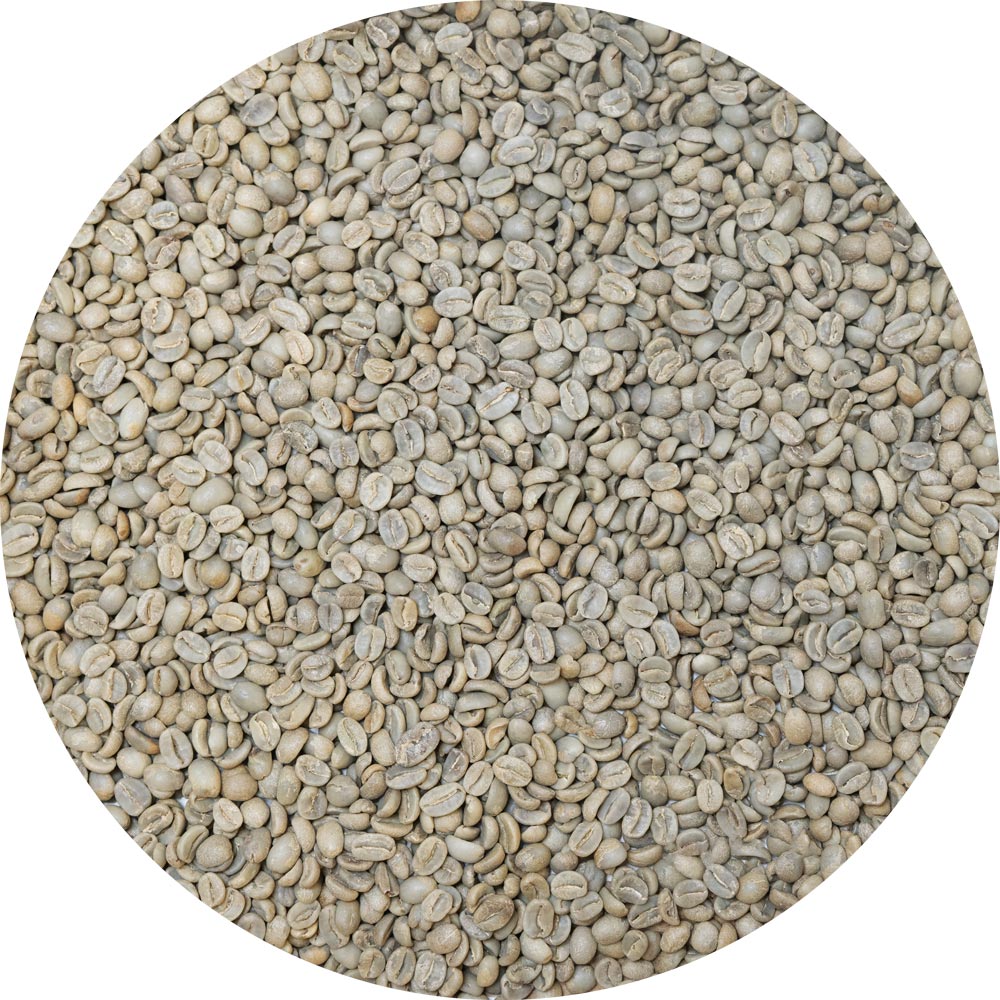
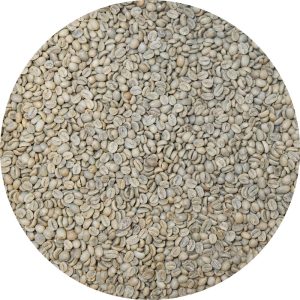
A fresh and clean, traditional example of Bolivian coffee. Similar to a Colombian or Peru; thicker, lower acidity with darker nutty/chocolate like tones.
Most of Bolivia’s specialty coffee is concentrated in the Yungas region, and within that area, Caranavi is the most productive municipality: it is estimated that between 85% and 90% of the country’s specialty coffee comes from there. The area is characterized by steep slopes, a humid climate with frequent fog, and difficult access. Furthermore, in Caranavi, natural forest cover exceeds 90% of the territory, which explains why many farms are small and operate with a careful management approach rather than focusing on large volumes. Logistically, the coffee often faces one of the most demanding land transport routes: crossing the Andes Mountains and arriving at a port (usually Arica, Chile) at an altitude of around 4,000 meters.
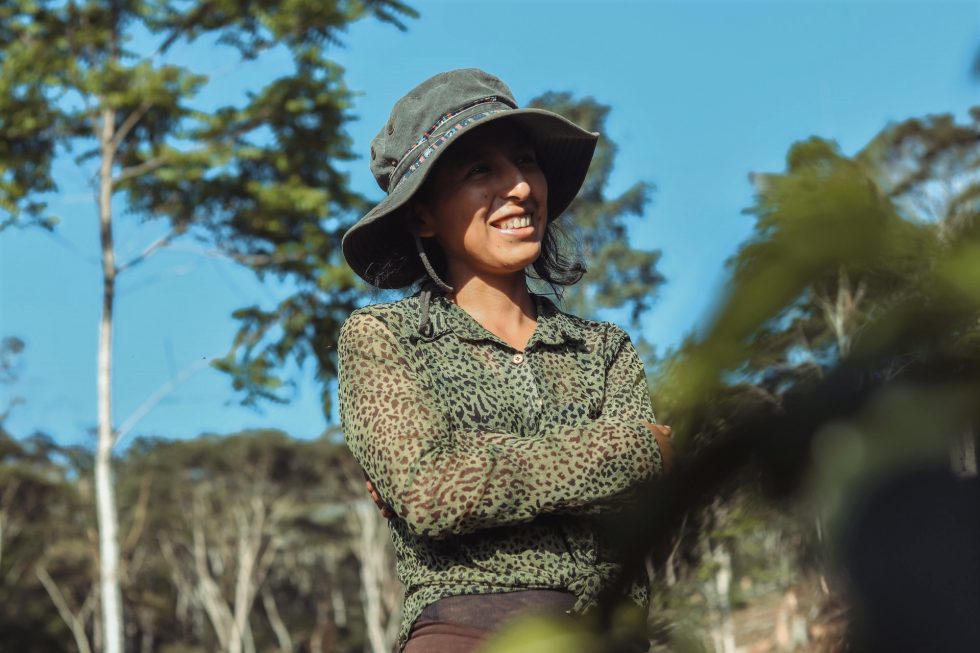
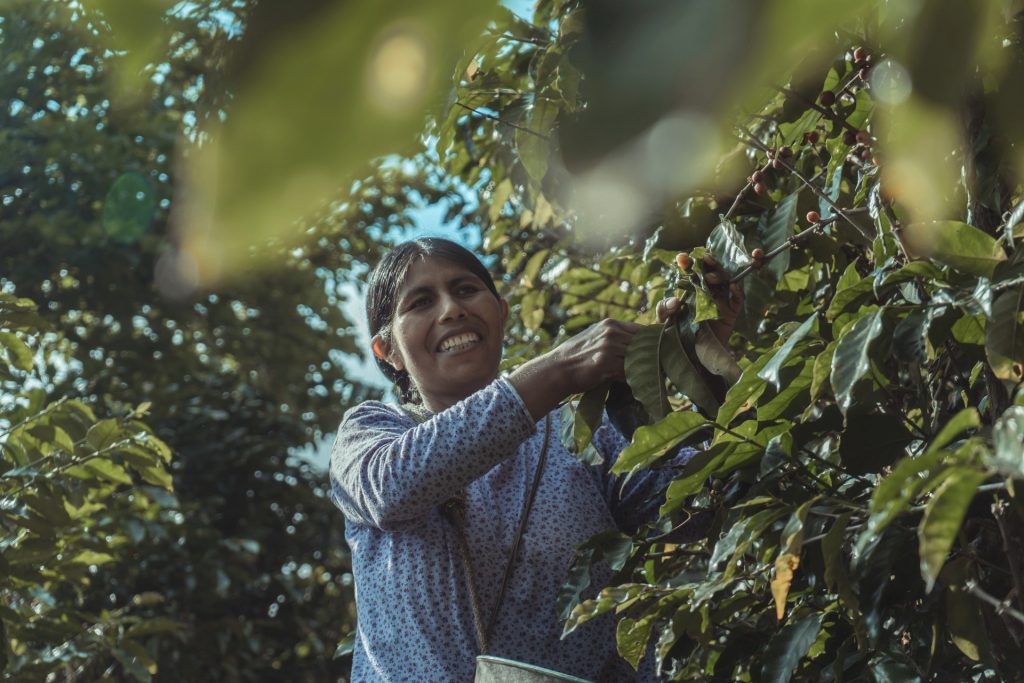
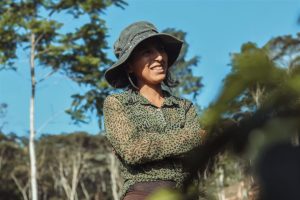
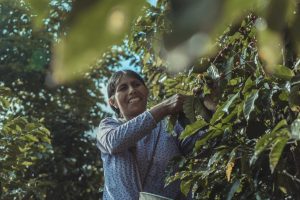
The San Juan Coffee Growers Cooperative was founded in 1974 by producers in Caranavi to support family farms and organic/chemical-free methods, the cooperative has since consolidated certifications such as FT/Org. The cooperative had a strong start, but between 2006 and 2017, productivity declined due to aging coffee plantations and reduced investment. Since 2017, with technical leadership focused on quality control, the cooperative has strengthened its standards: each producer processes their own coffee, but the final batch is processed in a central laboratory, and parchment coffees that do not meet minimum quality standards are sold on the local market instead of being exported. A common harvesting protocol is followed: harvesting ripe cherries, density flotation, pulping, 18- to 24-hour fermentation, washing, and sun-drying on raised beds. They are also working to incorporate equipment that will help standardize pulping and fermentation processes among members.
Tasting Notes: Most would consider this a medium to dark roast coffee but does have some crisper, more complex features at lighter roast points. A darker toned cup, semi-sweet, with lower acidity and a fuller body. Filled with rich chocolate/nutty/herbal/spice like tones. Great depth of flavor without all that citric and fruity that often comes with higher rated cups these days. Lighter roasting promotes the more nutty/herbal, darker roasting chocolate & spice. Lighter roasting took 4-5 days after roasting to get tasty, medium to dark roasts were tasty from day 1.
Roasting Notes: Easy to roast beans; even roasting with medium to low chaff. Longer setup on lighter roasts was needed but would push most to roast more medium to dark. Rich and creamy darker toned coffee with some wonderful complexities to the darker tones.
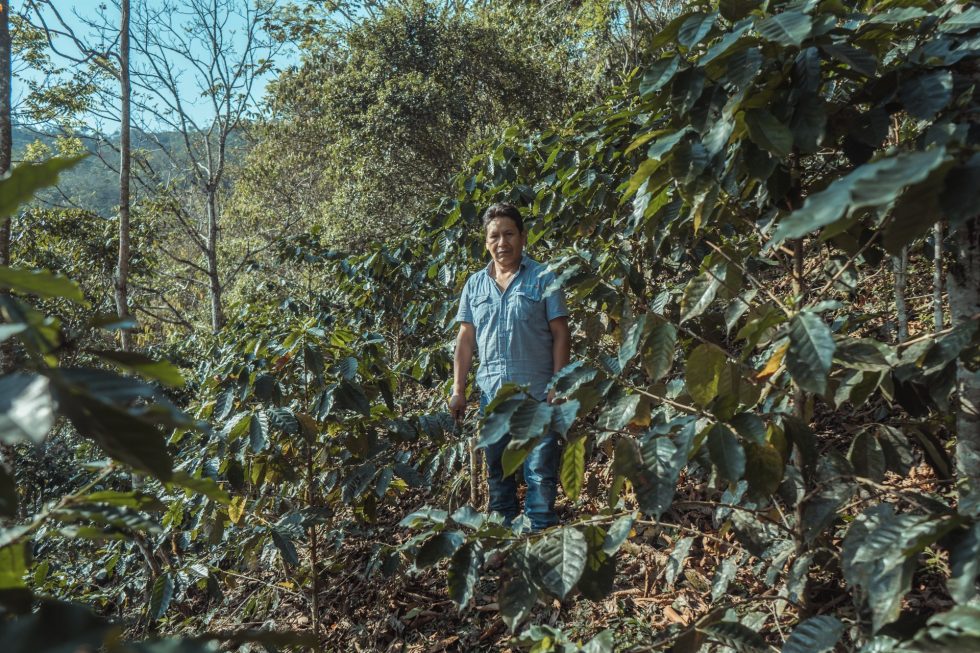
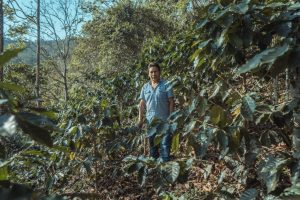
Felix Chambi Garcia joined the organization, bringing with him over 16 years of specialty experience as a cupper and member of various other Bolivian cooperatives. Since then, the coop’s total production, overall quality, and diversity of coffees has all increased significantly.
Felix sees himself as part of the younger, renewed generation of coffee lovers in Bolivia—including baristas and roasters—who are fortunate to be in a producing country with such high potential. This generation certainly believes there is a lot of ground to be covered. San Juan relies on individual farmers to process their own coffee. Felix has made quality control central to the coop’s operations, and his lab in Alto Cochabamba serves as the central control point for all lot building and exportation. Parchment lots that don’t make the minimum requirement are sold domestically, rather than marketed abroad.
More Green Coffee Bean Information:
Guide to coffee processing methods
Guide to coffee varieties/cultivars
Guide to coffee regions

Reviews
There are no reviews yet.