




Description
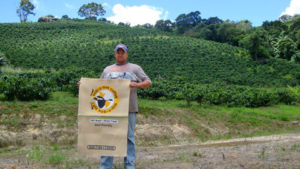
This coffee comes to us through FAF Coffees, the specialty exporter founded by the Croce family in the Mogiana region of Brazil and one of our first and most cherished Brazilian relationships. During their years spent struggling to revive the soils of their own family farm in Mogiana, the Croces connected with like-minded growers who were also fighting to make farming viable for the next generation, with a strong focus on their immediate ecosystems (the watersheds and canopies that made the land worth living on) and on quality as a means toward economic independence and self-esteem. Over the years their network of farmers grew. Today FAF exports coffee on behalf of roughly 150 small and sustainable farms throughout the Mogiana region, and increasingly from other pockets of entrepreneurial small growers dedicated to that same combination of cup quality, environmental health, and community strength, proudly referred to within the FAF network as “total quality.”
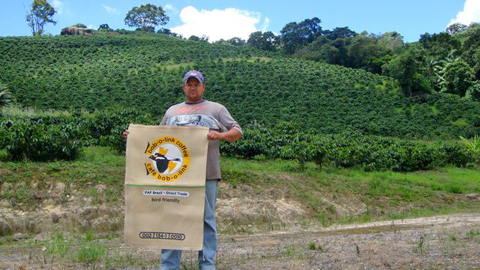
The Bob-O-Link project: Named after the transcontinental migratory bird, the Bob-O-Link project brings together neighborhoods of family farms working together and sharing those same values of Total Quality. From that volume of coffee, this special lot was plucked, traceable to farms in the community of Pirapitinga. These producers began focusing on the specialty market alongside FAF, implementing innovative farm management practices to bring out the best of their land. Rather than treating coffee as a homogenous commodity, the focus is on smaller lots, separation of varieties and plots, selective picking, and careful drying, all with social and environmental responsibility: a healthy balance of shade, rich soil, and respect for animal habitats, springs, and clean waterways.
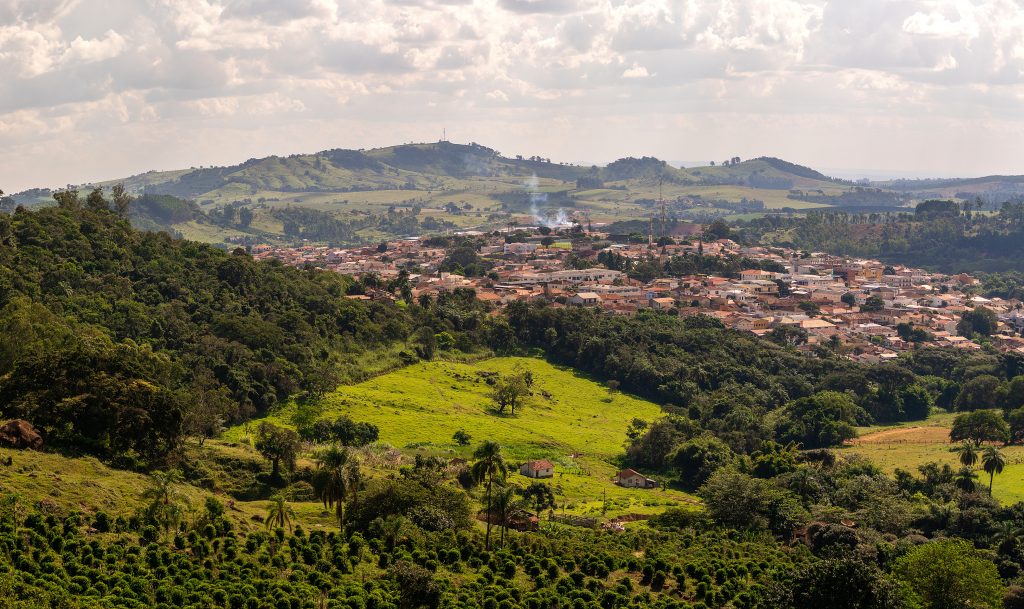
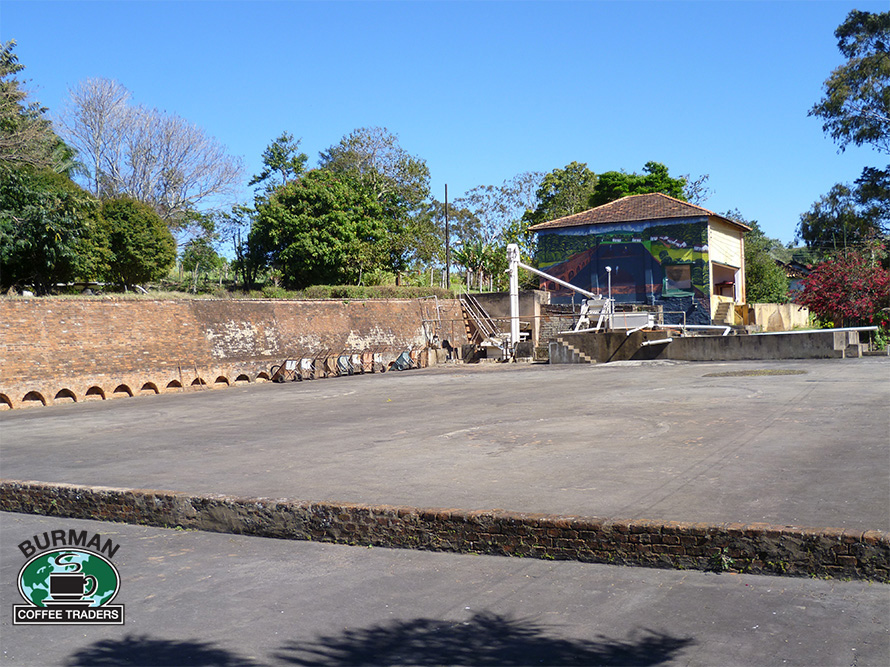
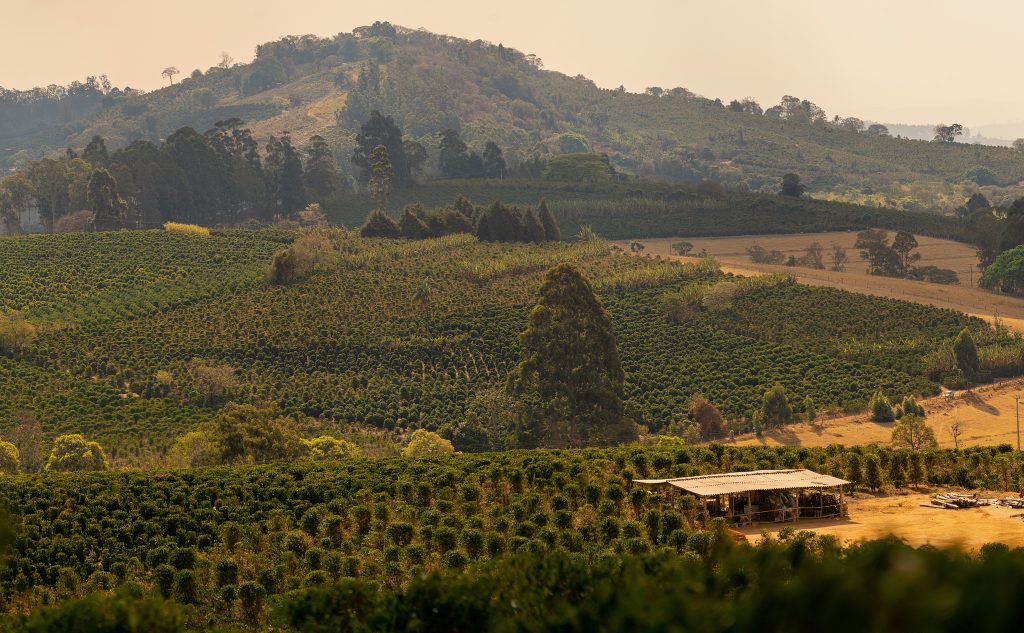
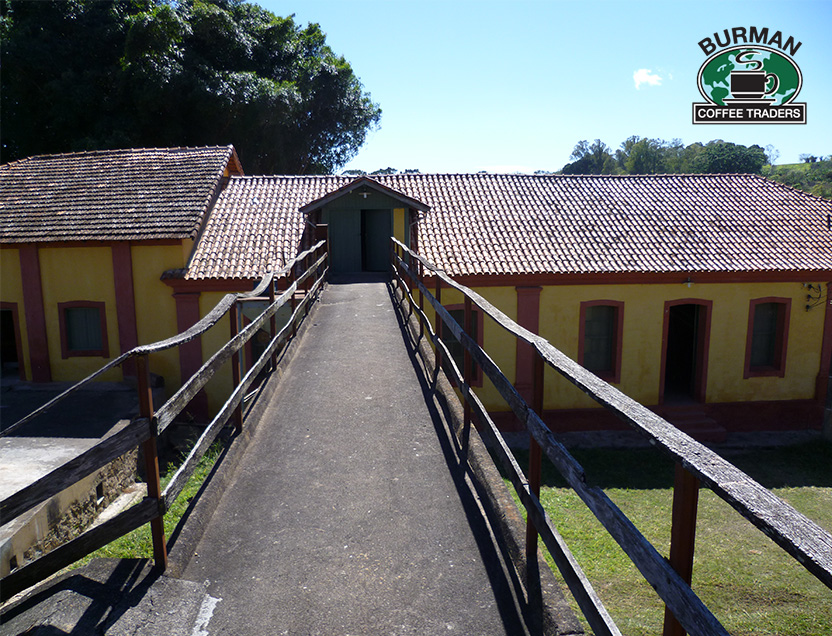
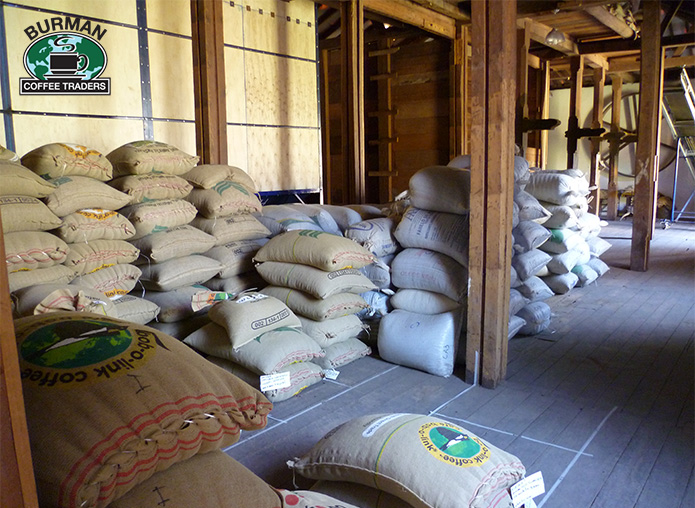
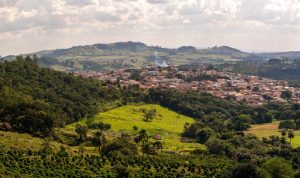
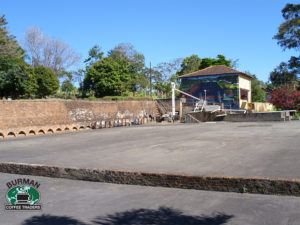
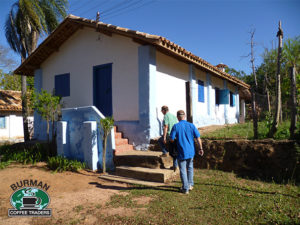
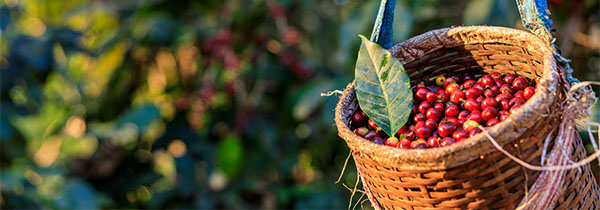
Pirapitinga sits in the municipality of Divinolândia, in São Paulo state, within the Mogiana region, which is split between São Paulo and Minas Gerais and considered the most renowned of Brazil’s three major growing regions. It’s an area of rolling hills and uneven terrain that lends itself to small- to medium-sized farms. This lot is a Yellow Catuai grown between roughly 1,200 and 1,350 meters in latosol soils, with a harvest running June through August. After careful selective picking of ripe cherries, the coffee is washed and floated to remove damaged and less-dense beans before the drying process begins. From there it heads to FAF’s centralized mill in Serra do Cigano, where decades of processing know-how go into a 100% natural process: the cherries are gently dried on raised beds, reducing moisture to around 11%, and then carefully stored until it’s time for milling and export. FAF also helps producers with much of the logistics of selling to the international market, including warehousing and preparing the coffee for export.
Tasting Notes: A clean, sweet, and stable single-origin Brazil that punches above the average cup. This is a Yellow Catuai natural with a bit more life than your typical Brazil; think orange and a hint of cranberry up top, settling into roasted nuts and a soft herbal tea note as it cools. Lighter roasts bring out the brighter, juicier side, a gentle citrus and red fruit edge with a sweet, clean finish. Push it into the medium range and you build good body, classic Brazilian nuttiness, and a rounder caramel sweetness. Darker roasts caramelize those sugars into a richer semi-sweet chocolate with the fruit fading politely into the aftertaste. Versatile from light to dark, but the sweet spot is medium for a balanced, all-day cup. Great as a single origin for drip or espresso, and a fantastic, traceable base for a small-farm Brazil blend.
Roasting Notes: Easy to roast and a nice screen of coffee, though expect a bit more chaff being a natural. Make sure everything is comfortably through first crack if you’re shooting for the lighter end, otherwise it can read a touch dry and peanut-skin nutty. We liked it best dropping closer to (but not necessarily into) 2nd crack, which builds those richer nutty and semi-sweet chocolate tones. A longer setup smooths things out; the cup can be a bit edgier in the first 48 hours, so give it a day or two to settle and the sweetness rounds out nicely.


Reviews
There are no reviews yet.