
Description
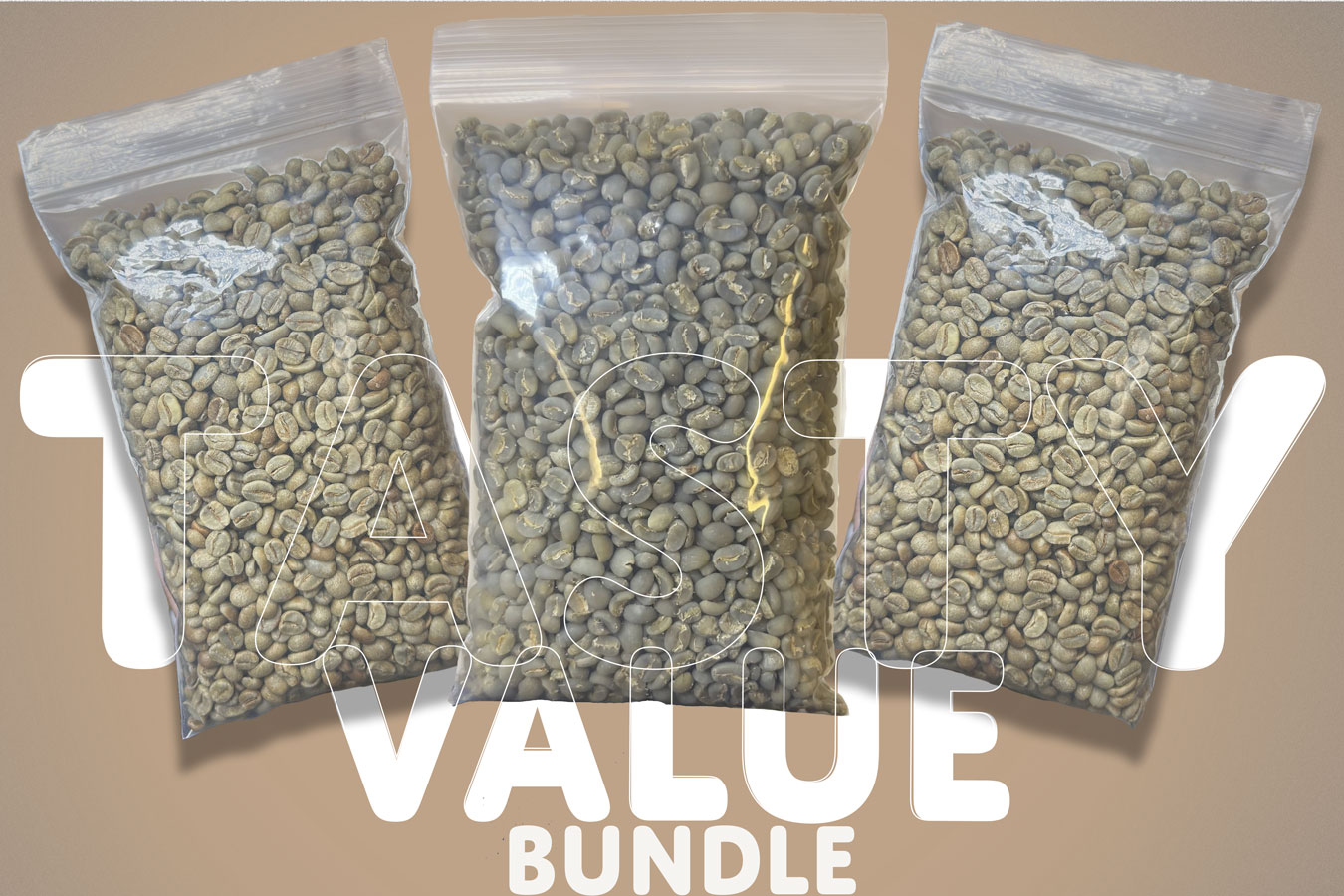
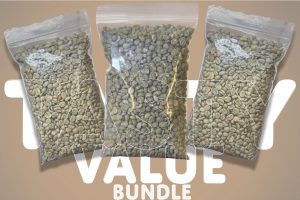
Want some great coffees & stellar values? This bundle is for you!
All very fresh coffee, current or new crop. Great premium screens on Co-op and Mill production coffees. Larger production coffees keep the costs down. Although these are not single farm micro lots, they are very tasty coffees giving the true terroir of their production areas and producing nations. A pleasure to drink and 100% responsibly sourced.
This bundle contains 1 pound each of:
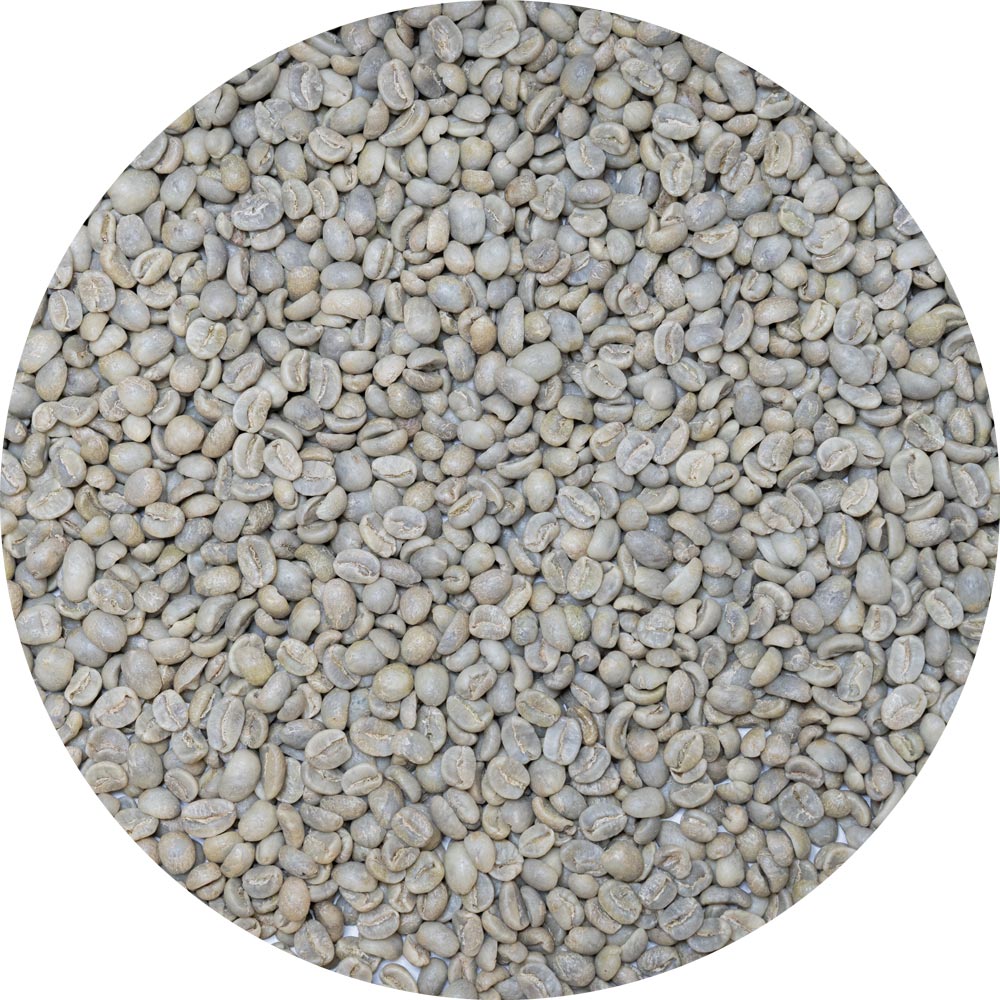
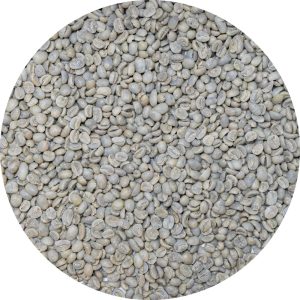
Guatemalan Antigua – Los Volcanes – Washed Processed
Although many of our Guatemalan coffees end up coming from Huehue or Fraijanes (for its all about who you know, and we know some of the best in Huehue and Fraijanes), the region of Antigua is what made Guatemalan coffee famous. The most recognized of the Guatemalan regions producing premium coffee. Many would default to saying Antigua is the best… but those are also folks who don’t know our buddy Edwin from Finca Vista Hermosa in Huehue or the Prentice family behind Finca De Dios in Fraijanes. This is a lovely tasting and great example of Antigua coffee, well worthy of our list.
This cup comes from family-owned farms located near the city of Antigua between volcanoes named Agua (water) and Fuego (fire) within the department of Sacatepequez, Guatemala. Coffee produced in the Antigua region has a protected designation of origin (PDO) because of Antigua’s renowned coffee reputation. Coffee is traditionally grown in this region under a canopy of grevillea trees and native shade trees called chalum (ingas).
Tasting Notes: A great example of Antigua coffee, follows those wonderful floral versus chocolaty notes that made the region so famous. Medium roasts are recommended but good from light to dark. Lighter roasts will accentuate the lemony floral tones of the cup, the chocolaty factor will be just a hint but noticeable and smooth, a bit of nuttiness will linger in the aftertaste not present in further roast levels. Medium roasts are very clean and balanced – not too acidic, not too bitter – sweet edged and will have wonderful mix of tones. Darker roasts and smooth and semi-sweet, low acidity and very chocolaty.
Roasting Notes: Medium to dark roasts are where this bean will shine but clean enough to be tasty light to dark. Light roasts are just a bit sharp and don’t have time to develop those lovely chocolaty notes. Easy bean to roast and play around with.
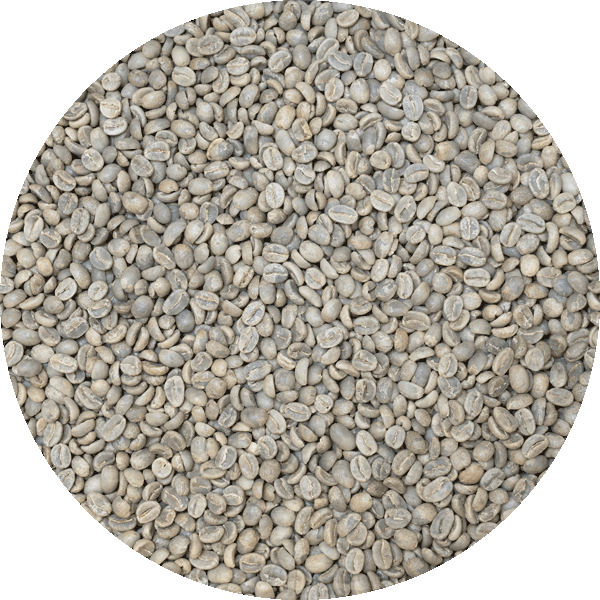
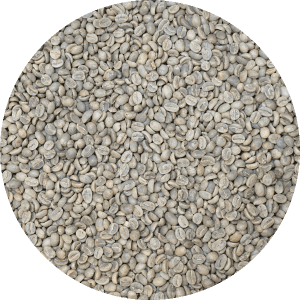
This is an aggregated coffee product sourced from multiple regions, designed to offer the “classic” characteristics of Colombian coffee. The beans are sourced from various coffee-growing departments across Colombia, in areas such as Huila, Tolima, Cauca, Antioquia, and Nariño, among others. Each region contributes its own harvest window, ensuring a consistent supply of fresh coffee throughout the year. This multi-origin blend is intentional: it aims to produce a clean, standardized, and reproducible cup that embodies the classic Colombian profile, rather than the unique characteristics of a single farm or microlot.
Tasting Notes: The aroma of this coffee is very nice; sweet with a little spice & floral notes. Best at a medium to borderline dark roast. Sweet upfront with a hint of crispness balanced with a stronger toasted walnut/chocolaty undertone. A little hint of acidity at the medium roast point really creates a nicely balanced cup with a broad flavor profile. You may also detect subtle notes of caramel, cedar, and dried red fruit as the cup cools especially at medium roast levels. The finish is clean with a mild nutty aftertaste that lingers pleasantly. Touching 2nd crack builds some body and will add some smoky and roasty notes that complement the classic Colombian profile. At a darker French roast, stronger bittersweet chocolate and hints of dark fruit and spice round out a thick-bodied cup suitable for espresso blends.
Roasting Notes: This bean is very versatile when it comes to roasting; good from lighter side of medium to as dark as you want to go. Main recommendation would be in the medium ballpark, smooth and accommodating to almost everyone. Be sure to try different roast points for it will greatly vary which flavors are accentuated. Lighter roasts will be brighter and more citric upfront with some floral notes and soft fruit can be a little grassy if pulled too light. At a Full City medium roast the cup really shines: low acidity, smooth mouthfeel, toasted walnut, cedar, and spice with a caramel-like finish. Going into second crack turns the cup more chocolaty than nutty with a semi-sweet, richer
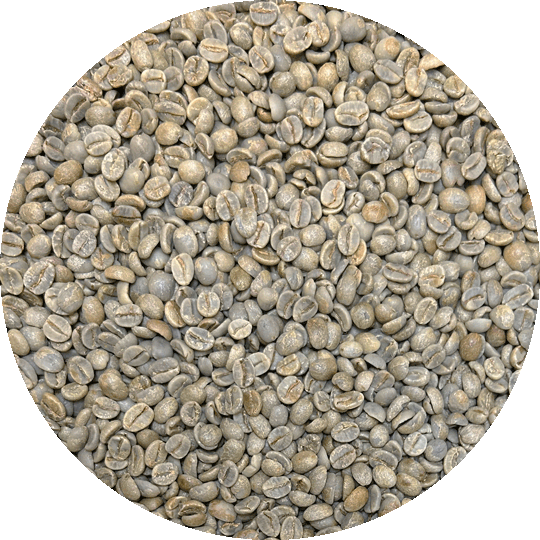
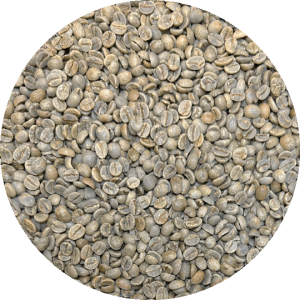
A lovely Brazil arrival. Smooth, clean and rich, these beans make an awesome single origin cup, or blend base. This is a Fine Cup (FC) and Strictly Soft (SS), the highest cup category in the Brazilian coffee grading. 17/18 refers to the size of the beans, which is strictly large bean.
As the world’s largest coffee producer, Brazilian lots often come from larger estates that use highly mechanized processing strategies to manage larger volumes. The Mogiana region, split between the states of São Paulo and Minas Gerais, is the most renowned of three major Brazilian growing regions. This region has rolling hills and uneven terrain lending to farms that are small to medium in size.
This particular lot comes from Cooperativa Regional de Cafeicultores em Guaxupé (Cooxupé), which was established in 1937 and currently has 14,000 active members. Producers typically have farms that average 60 acres in size. Each producer cultivates and harvest their own cherries and places them on patios to dry to 15 percent moisture after which the coffee is moved to mechanical driers to precisely finish the drying to 11 percent moisture. Coffee is carefully stored until it is time for milling and export, which all takes place at the Cooxupé dry mill where traceability and quality control are carefully managed so each producer can be paid according to the quality of their coffee.
Tasting notes: Best from medium to dark roasts. Lighter roasts show a sweet edge with lemon, floral & soft fruit, contrasted by a nuttier (almond like) darker undertone. With a little setup, the tones will combine to provide hints of caramel, a very tasty cup especially for the price. Too close to first crack will throw some herbal tones, but not far after first crack it will taste clean and defined. Medium roasts are richer, more of a developed chocolaty tone and decently less nutty; mutes up the sour floral edge, retains a little hint of soft fruit as the cup cools. Fairly neutral tasting and very chuggable. Darker promotes a thicker body and introduces a slightly bitter contrast that works very well for espresso.
Roasting Notes: A nice large screen, fairly even roasting bean (will see a couple beans lighter than the others). Medium to high chaff. Avoid light roasts unless you like sharper cups, quite tasty but will have a little acidity which many Brazil fans will shy away from. Most will like it best at a medium roast, especially for single origin drinking, or into the darker roasts for blending.

Reviews
There are no reviews yet.