


Description
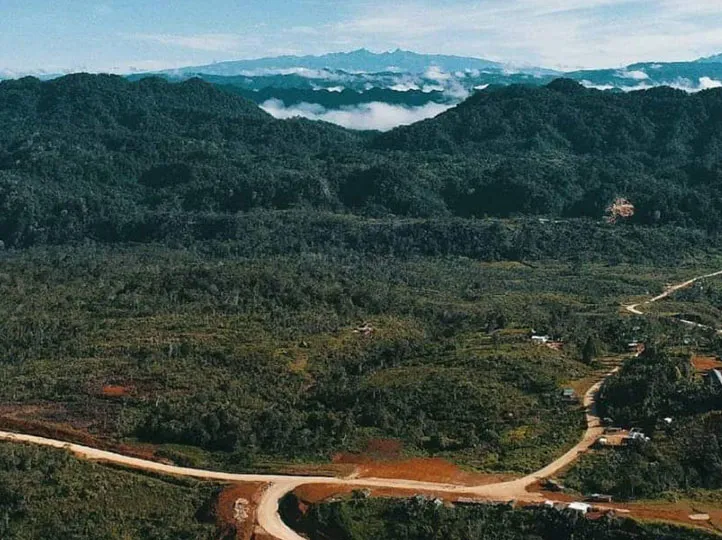
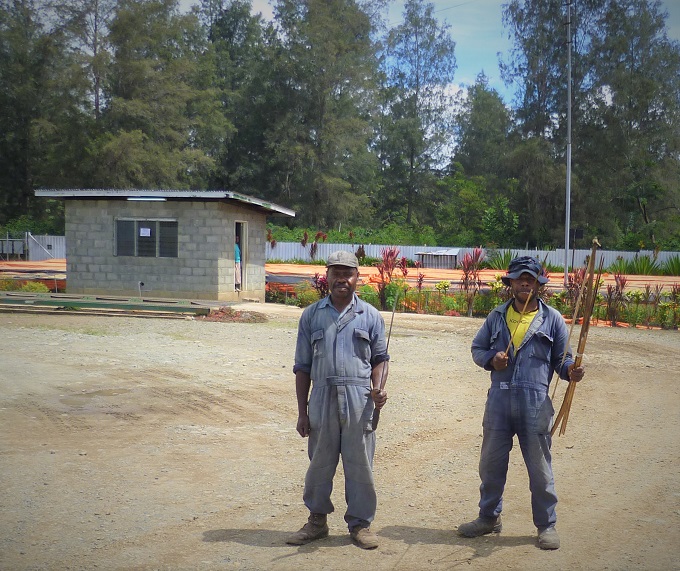
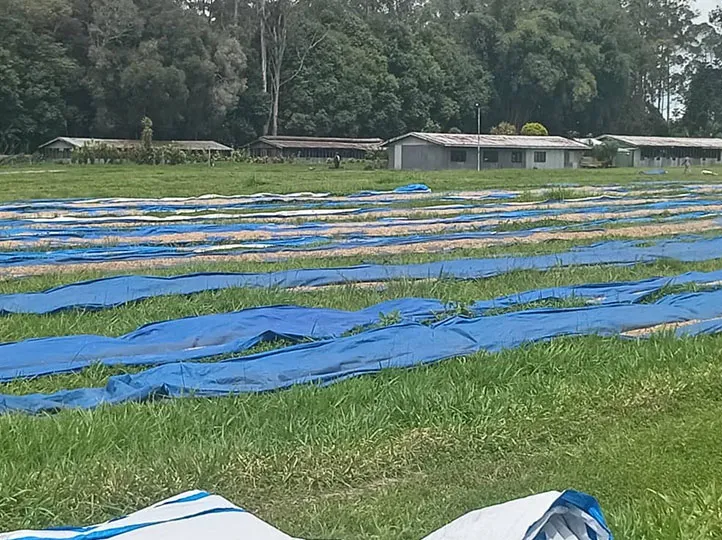
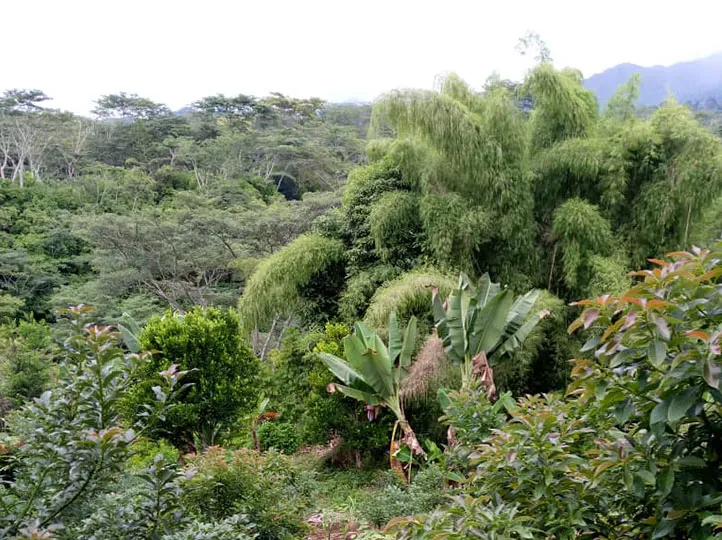
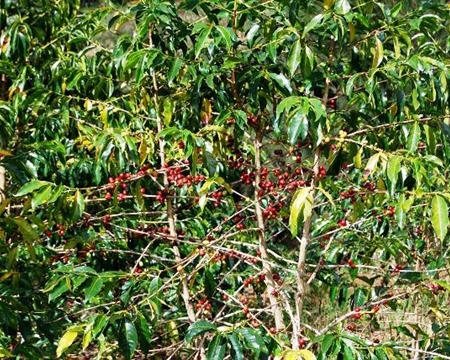
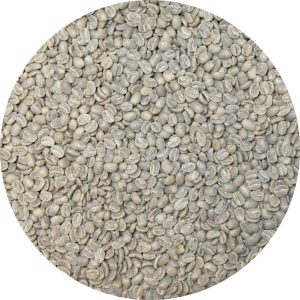
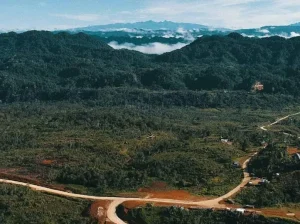
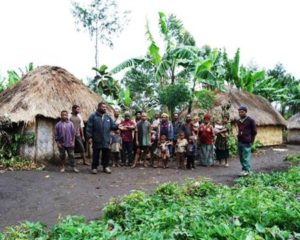
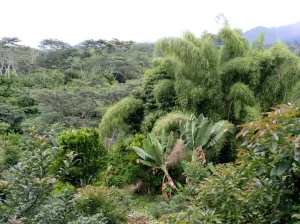
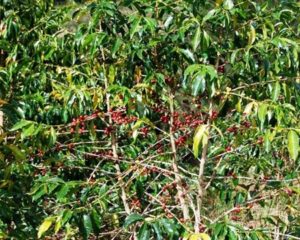
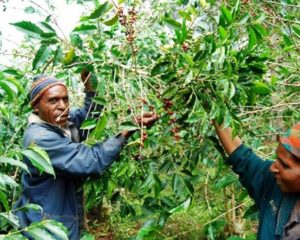
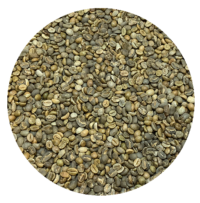
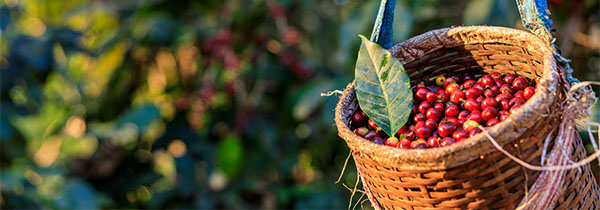
This is a washed AA grade coffee from the Kuta Mill, owned and operated by Brian Leahy, who also uses it for his own estate: Korgua Estate. The estate, which is located on the Kuta Ridge of the Waghi Valley of Papua New Guinea. Leahy’s father first explored this area in the 1930’s, and established Korgua as one of the very first coffee farms in the area. Korgua Estate was created on neutral ground to allow coffee growers from rival tribes to bring their coffees to market without causing disruption.
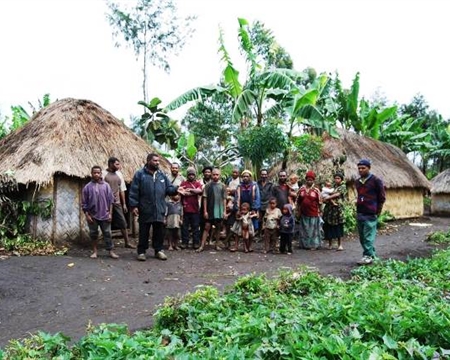
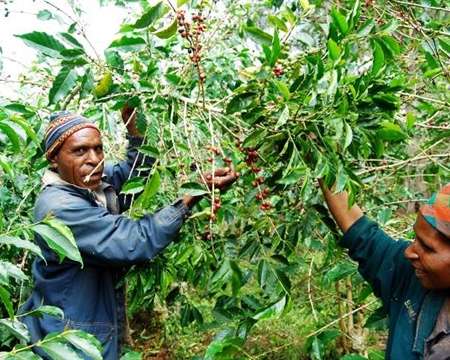
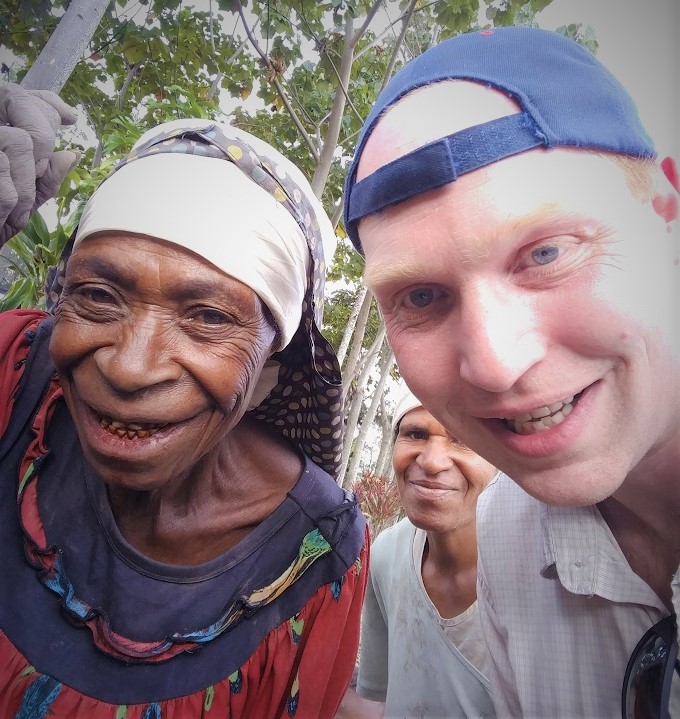
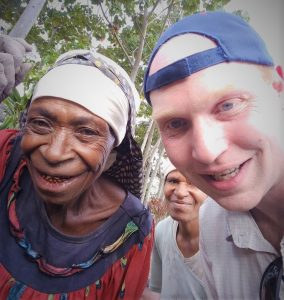
I met Brian at the Mount Hagen club on my adventures through PNG, a night I will never forget. This guy was one of the most knowledgeable coffee heads I have ever met on my journeys. At the time he was managing Kimel Estate, but has since left after he took over his families operations; Kuta mill & Korgua Estate. Lots of smart coffee folk in PNG but many have trouble sticking with it after finding success. A very different life and culture growing coffee in PNG and working with the local tribes. Brian has done a fantastic job and is one of the few we know, who would never leave. This is one of his mill top lots, wonderful tastes and differentiates itself nicely from the Carpenter Estate coffees.
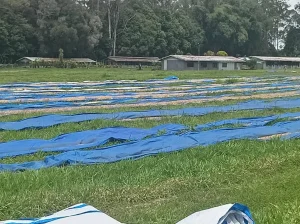
A key fact for understanding why the Highlands dominate the current supply is the research and distribution of seeds: in 1937, the Aiyura station was established, where the first Highland coffee was planted with Arabica seeds from Wau, and from there, seed distribution was promoted to different highland areas. In this ecosystem, washing plants and collection centers are the “link” that transforms dispersed production into a repeatable standard.
Tasting Notes: A great bean from light to dark. We generally drink it at a medium roast, but with a longer setup, lighter roasts can be a bit sweeter and herbaceous. Darker roast get hefty with chocolate and spice notes. This coffee has a medium-to-full body, a creamy texture, and low to moderate acidity. At a medium roast, a clear base of dark chocolate and toffee/caramel emerges, with layers of dried fruit (date/prune) and a hint of black tea spice that provides structure without becoming overly fruity. In some areas (especially from medium to light roast), a touch of pear and lighter nutty and floral notes may appear. As the roast deepens, the cup becomes more direct: more chocolate, more dark sweetness, and a more toasted finish.
Roasting Notes: This coffee performs best at a medium roast, a great balanced daily drinker. (before the second crack). We recommend a little slower roast to accentuate the chocolate and toffee, let them fully develop while reducing the more herbaceous quality of the light roast. If you’re looking for more body for espresso or milk-based drinks, go for a dark roast: it increases the body and deepens the chocolate flavor (making it more “semi-sweet”). At a dark roast (entering the second crack), roasty tones appear with a pleasant smoky accent.
To learn more about PNG’s unusual coffee industry, check out our recent blog article “The Wild West of Coffee Production.”


sandranbob (verified owner) –
I roasted this to medium roast as suggested and found it to a very pleasant offering. Nice flavors with no bitterness. I’d go for it again but learned it’s now out of stock. I’ll just keep a watch for it next time it’s in.