
Description
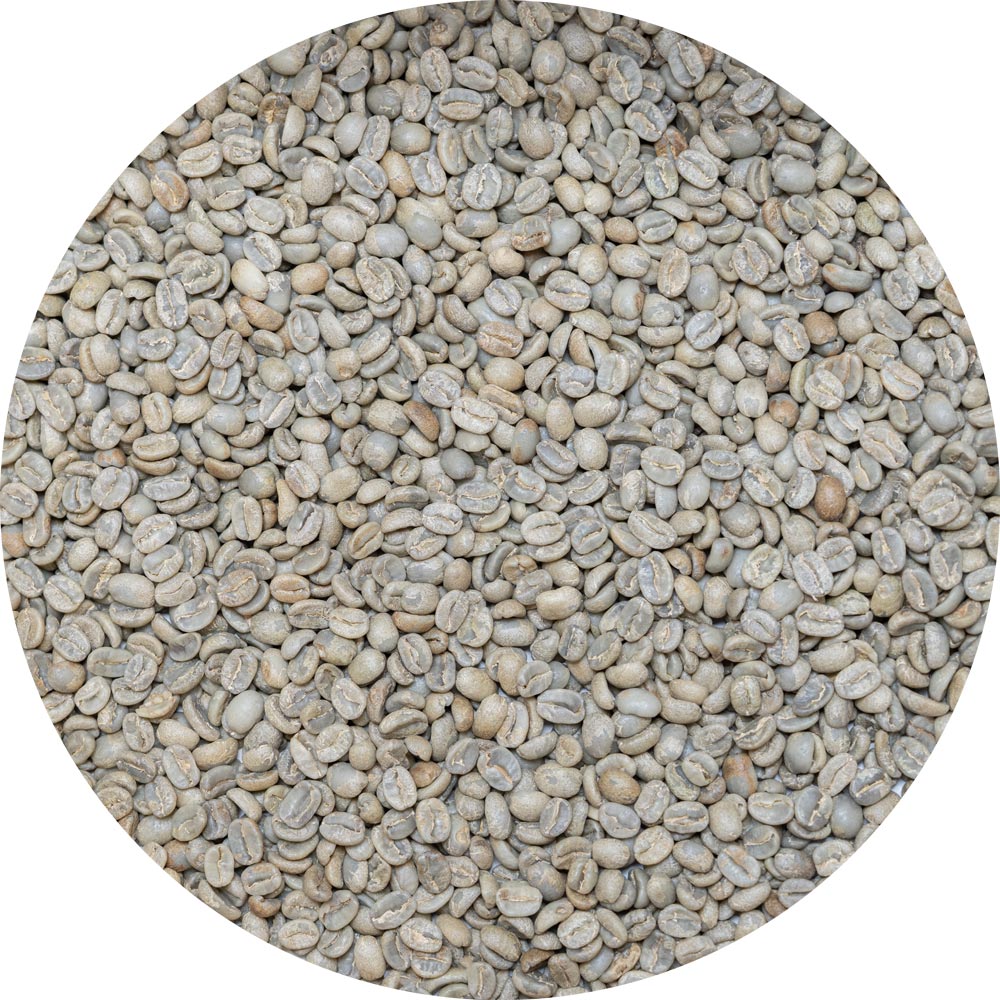
Bolivian coffee has really struggled the last couple years and had pretty much dried up in most importers’ minds. They got hit with economic issues alongside coffee disease, and many growers abandoned their trees for other crops or work. It’s finally coming back, and this lot is a great example, a personally-sourced microlot from our buddy Joey at Cafe Kreyol, who travels to Bolivia himself.
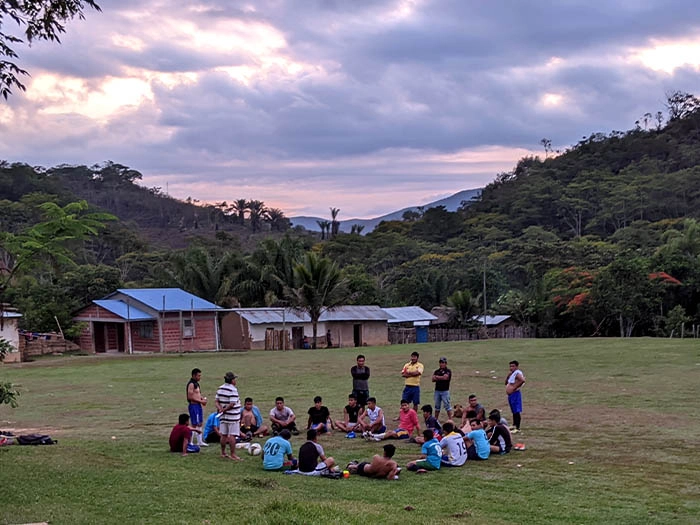
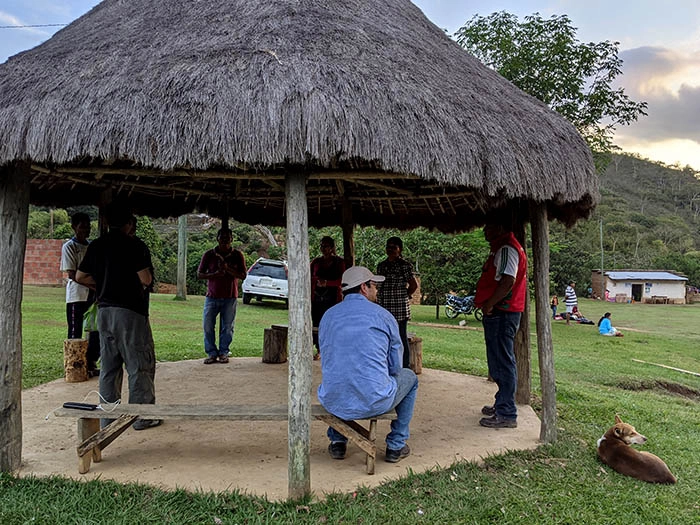
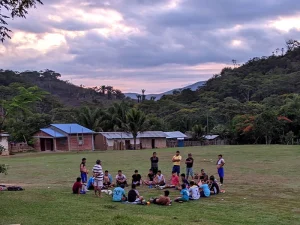
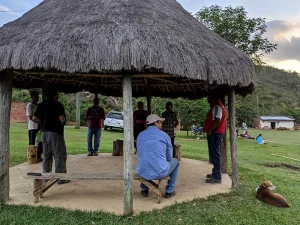
This one comes from Apolo, an indigenous region in northern Bolivia (La Paz department) that had never commercially grown or exported coffee until Cafe Kreyol and the Wildlife Conservation Society helped build a model around ecological preservation and sustainable income. Cafe Kreyol works directly with five indigenous communities here who speak a form of Quechua that predates the Incas. One of them, the Trinidad community, roughly 85% women farmers, transitioned entirely from growing coca to coffee, the heart of the “Cocaine for Coffee” project. Partners since 2019. Grown at 1700 meters, washed process, Castillo & Typica varietals.
Tasting Notes: A very nicely balanced cup. A hint of bright tangerine/orange acidity up front with some floral and soft fruit at lighter roasts, balanced by a semi-sweet nutty, chocolaty body. Expect notes of caramel, baking chocolate and orange zest with remarkable clarity and a creamy, smooth mouthfeel. Very light roasts risk a little grassy/herbal, but it straightens out at a medium roast and holds up as dark as you want to take it. The darker you go, the more body and edgy chocolate the cup picks up, with some smoke and roasty tones at the darkest roasts to complement the nutty/chocolaty factor.
Roasting Notes: Avoid very light roasts. It shines from a medium to medium-dark roast and is also tasty at darker points. Suggested roast level is light-medium. If shooting for a lighter roast, drag it out a bit. Being a microlot it roasts a little two-toned, so make sure the lighter beans get some development before pulling them.
This cooperative is comprised entirely of indigenous people native to the land on the edge of the Andes, bordering the Amazon rainforest. The land next to their farms is government-protected, and the communities treat their own land the same way; most of it is already certified Smithsonian Bird Friendly. Cafe Kreyol was connected to these groups through FECAFEB, a women-owned nonprofit in La Paz dedicated to raising the quality of Bolivian coffee and linking growers to buyers worldwide. FECAFEB has organized Bolivia’s Cup of Excellence, and Cafe Kreyol served on its international jury in 2016 and 2018.


Reviews
There are no reviews yet.