Description
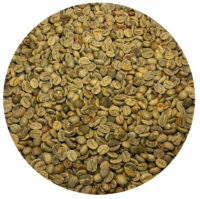
A great new crop lot! Our favorite Rwanda Co-op. This season they produced a wonderful certified lot that includes only the female producers in the co-op. Shows off the high quality coffee that the ladies can produce.
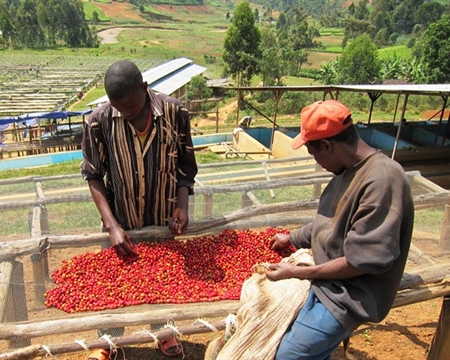
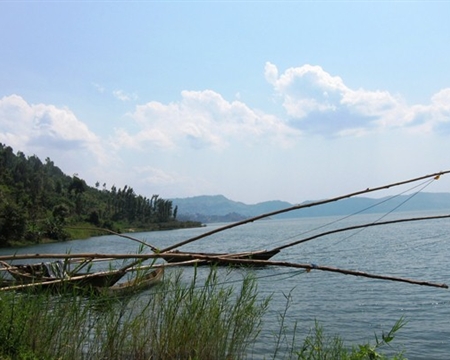
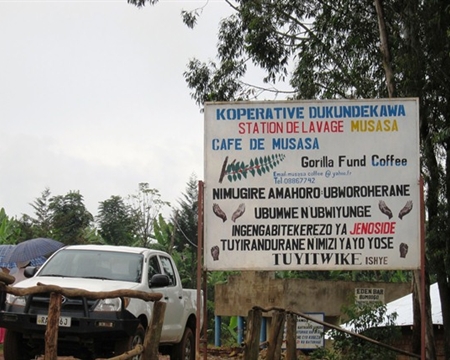
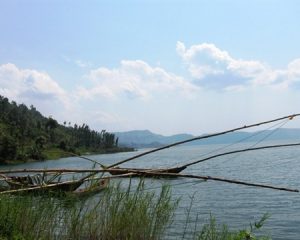
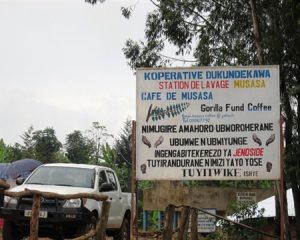
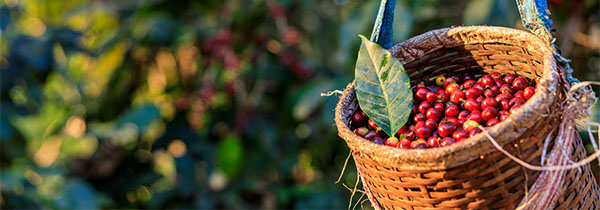
Coming from family owned farms organized around the Musasa mill located near a gorilla habitat in the Gakenke district of Rwanda. Farm plots are so small that measurements are based on the numbers of trees, not area of land.
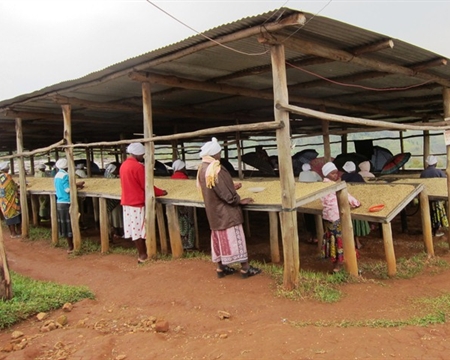
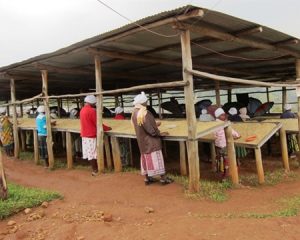
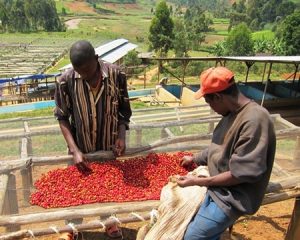
Farmers who process their coffee at the Musasa mill are members of the Dukunde Kawa Cooperative, which started in 2000 with enough funds to build one wet mill. In the following years, the Dukunde Kawa Cooperative has built three more wet mills and completed construction of their own dry mill. More than 80 percent of the cooperative workforce is women, and producer-members have used earnings to improve their standards of living with investments in livestock, access to healthcare, and programs to protect the environment.
Tasting Notes: A highly interesting coffee with a very clean profile. It stands out for its brighter and vibrant acidity, reminiscent of the complexity found in a good Kenyan coffee, accompanied by a medium body and a very chocolaty base note. Added to this is a distinct herbal touch that is much sweeter than usual, evoking delicate notes of tea like spice in the aftertaste. The evolution of flavors in the cup is fascinating: as the coffee cools, its initial acidity gently diminishes, giving way to a very clear and pleasant sweetness reminiscent of fresh apple and brown sugar. Light roasts will maximize that vibrant acidity alongside its citrus and floral notes, ideal if you are looking for a sparkling cup. Medium roasts achieve a perfect balance, harmonizing the acidity with the chocolate background and that herbal sweetness. Meanwhile, dark roasts gain much more body, highlighting baker’s chocolate, a touch of dark caramel, and almost completely subduing the acidity.
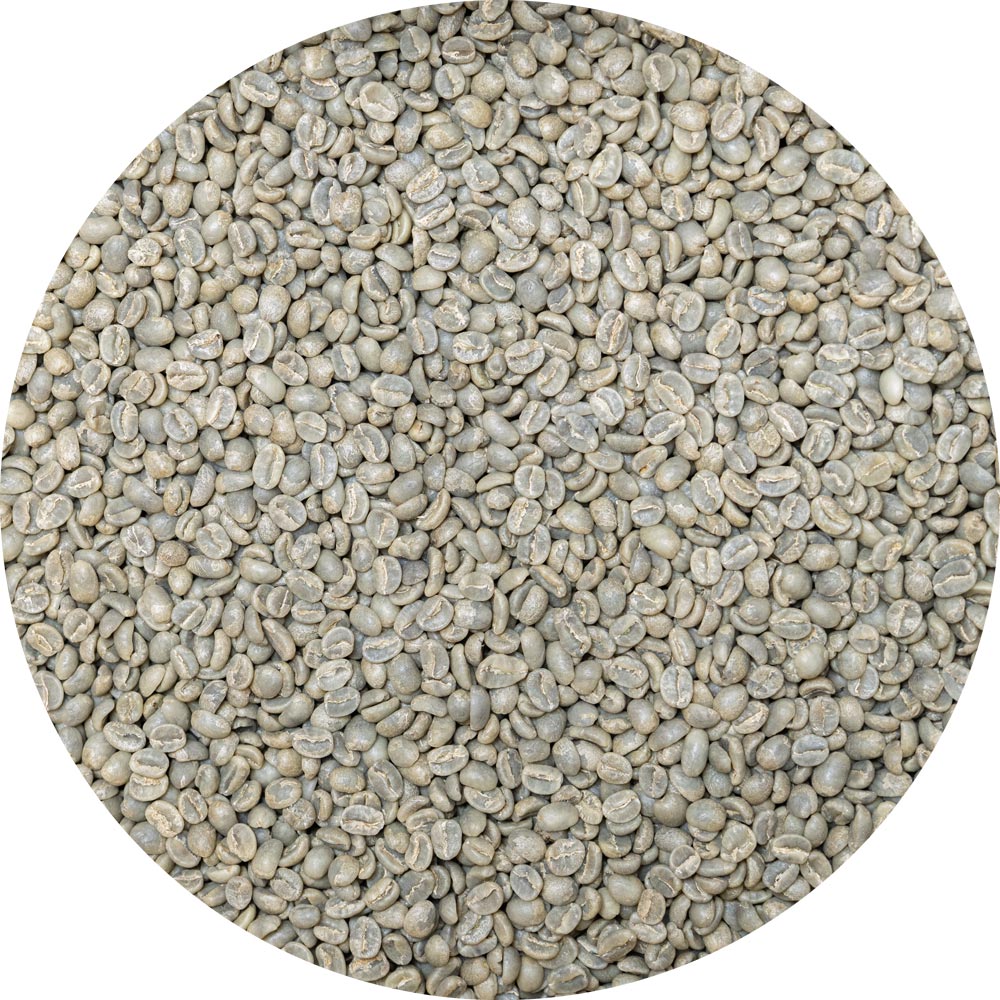
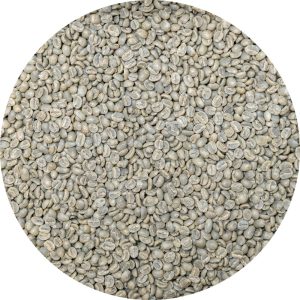
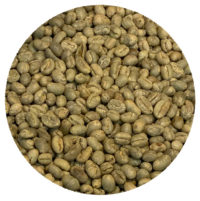
Roasting Notes: Overall, it is a great coffee, very forgiving and easy to roast at almost any level. The most important detail to keep in mind is that the bean size is slightly smaller than usual, so you will need to pay a bit more attention to roast development and heat application. As is typical with many African coffees, the beans may appear a shade darker than they actually are, showing a slight sheen on the surface upon reaching a nice medium roast. If you want to soften its natural acidity or are not a fan of a very bright cup, it is preferable to lean toward a slightly darker roast.


Reviews
There are no reviews yet.