Description
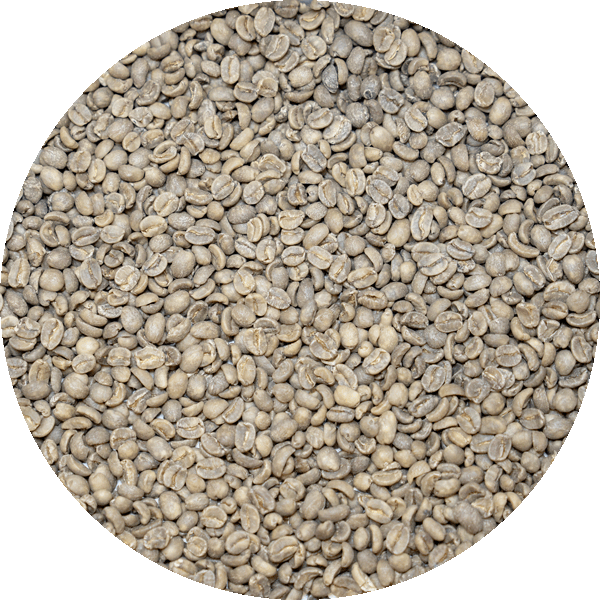
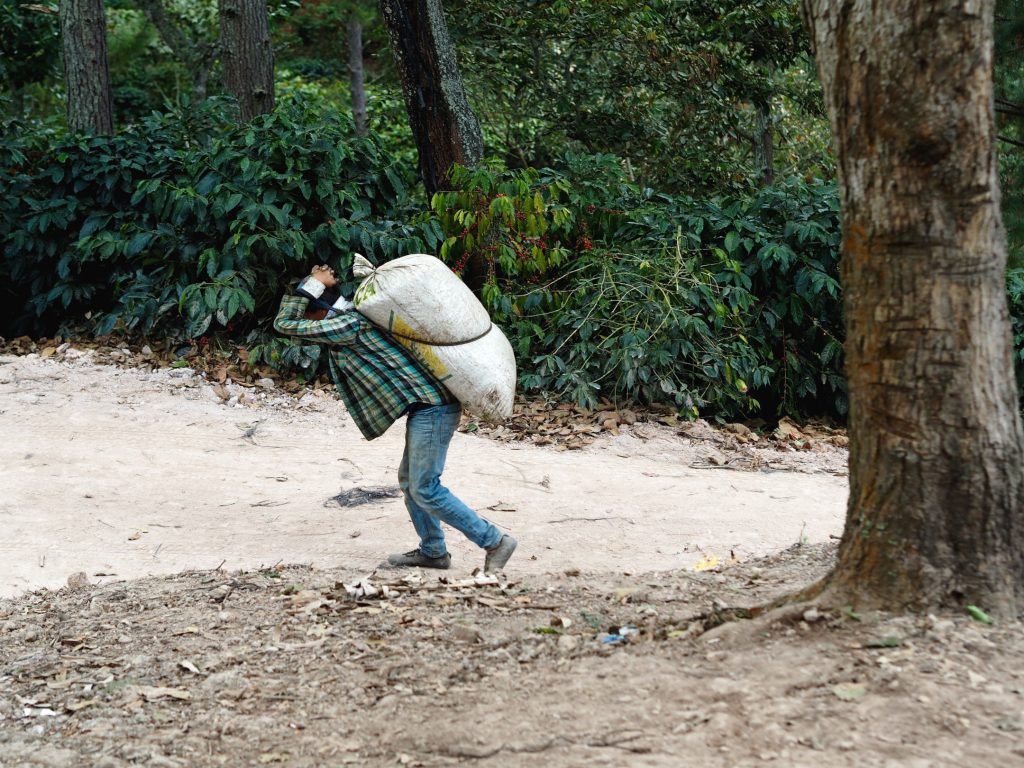
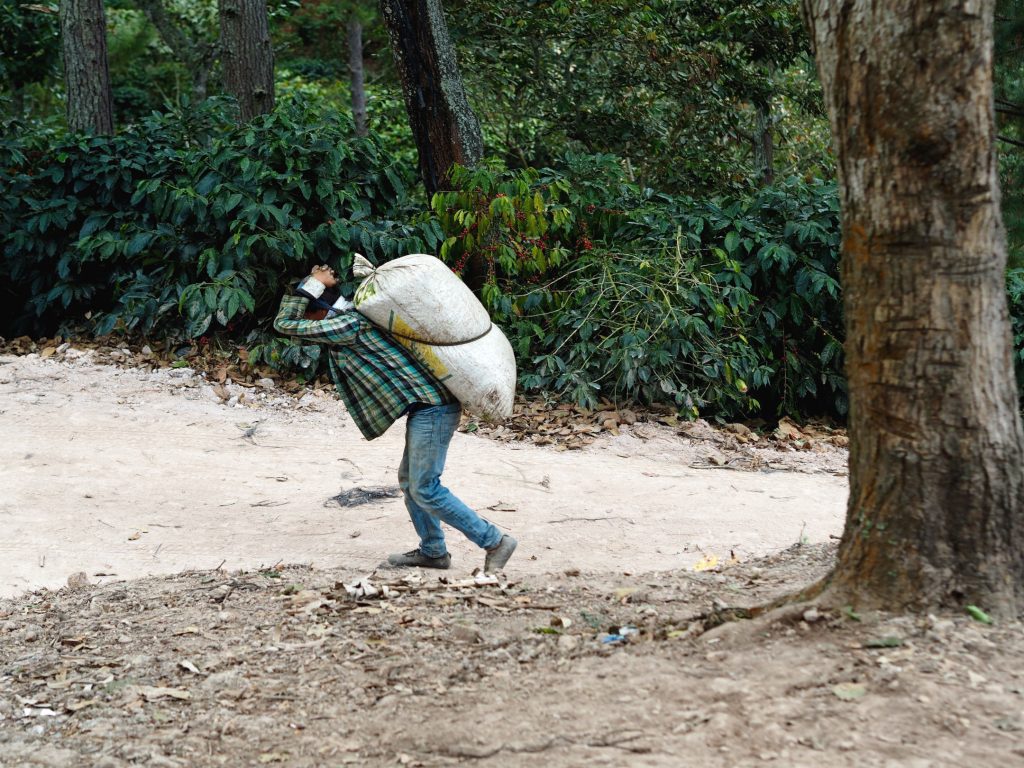
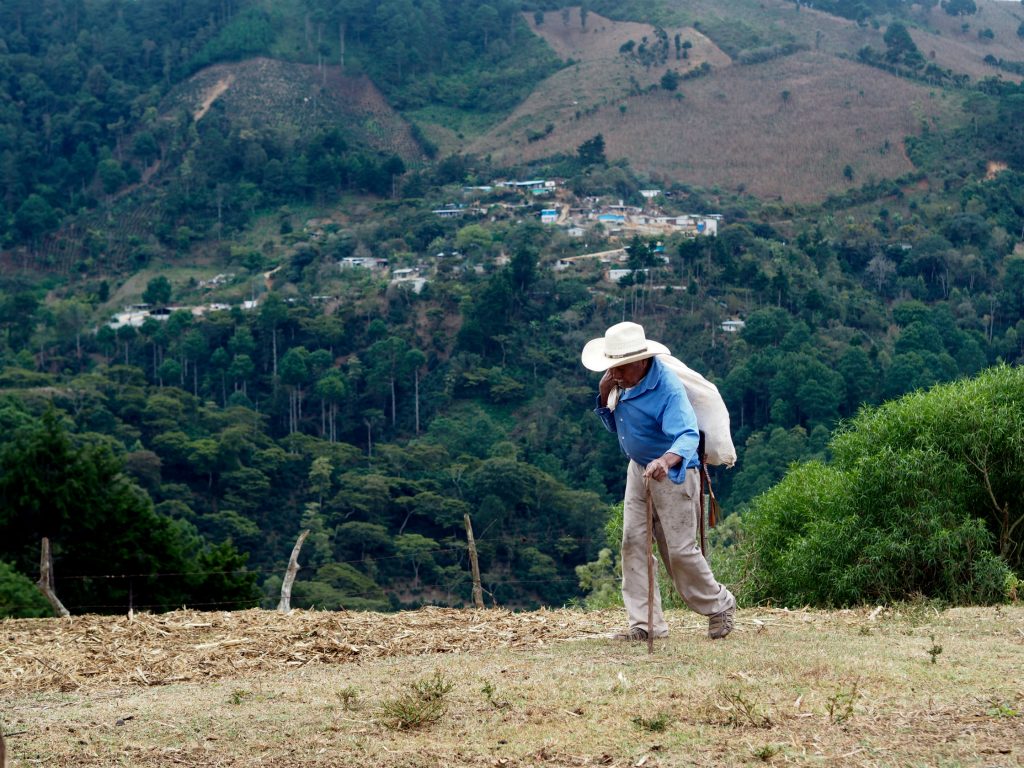
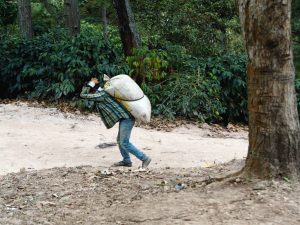
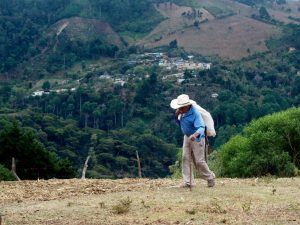
This lot comes from smallholder producers across several coffee-growing communities and regions of Guatemala, curated by the Royal Coffee team from lots selected on cup profile. It is a certified coffee, grown between 1,300 and 1,700 meters above sea level on clay-rich soils. The blend brings together classic varieties like Bourbon, Caturra, and Catuai alongside modern rust-resistant hybrids such as Sarchimor and Anacafe 14. The latter is a distinctly Guatemalan variety, a natural cross of Catimor and Pacamara that emerged in the department of Chiquimula, known for its high yield and for delivering good quality above 1,300 masl. The harvest runs from December to March, with hand picking and a fully washed process, sun-dried, before the beans head to decaffeination.
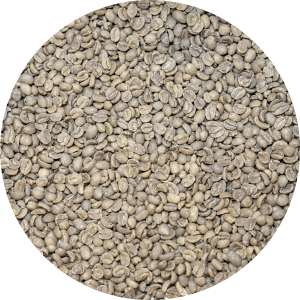
The decaffeination is done with the Swiss Water® Process, a patented method that is 100% chemical and solvent free. Instead of esters or solvents, it uses purified water and green coffee extract (GCE) together with activated carbon filters: the green coffee is hydrated and the caffeine migrates into the water, where the carbon, calibrated to the size of the caffeine molecule, traps it without pulling out the flavor compounds. The cycle repeats until 99.9% of the caffeine is removed while preserving the bean’s original character. The result is a clean, organic decaf with its flavor left intact.
Tasting Notes: A great tasting cup, hard to tell its a decaf. Clean, sweet and malty with some hints of soft fruit at the lighter roast points. Works best around a medium roast but will still be tasty a little lighter or darker. Too light and it will show hints of the decaf processing so best to error towards a medium roast. A great daily drinker, medium bodied, lower acidity with delicate tastes. If you take it into second crack, it gets a little bittersweet but a longer setup time will help smooth it out.
Roasting Notes: A forgiving decaf that is easy to roast. Virtually no chaff. Like all SWP coffees, the green beans come in darker than usual, so go by sound and expansion rather than color. For a light roast, pull it just past first crack to keep the citrus and sweetness. For a medium roast (our pick), let it develop 1 to 2 shades past first crack and cool it out before second. For a dark roast, take it to the edge or the start of second crack, but watch out: decafs darken fast and can fool the eye. At any sign of an oily, shiny surface, cool it out right away.


Reviews
There are no reviews yet.