

Description
Founded in 2015 by Matsitsi Zuberi, Matsitsi Trading is dedicated to the production and export of specialty coffee, positioning itself as a benchmark for quality in Burundi. With three strategically located washing stations two in the renowned Kayanza region and one in Muyinga province the company invests in advanced infrastructure, including fermentation tanks, solar-powered warehouses for parchment drying, and traceability systems, to ensure meticulous and sustainable processes.
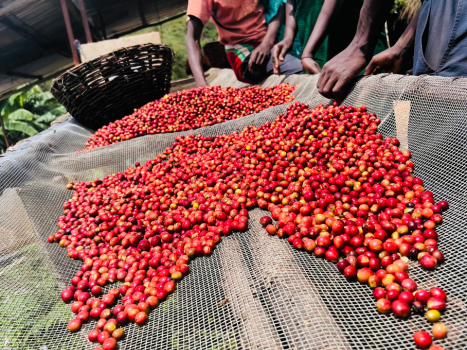
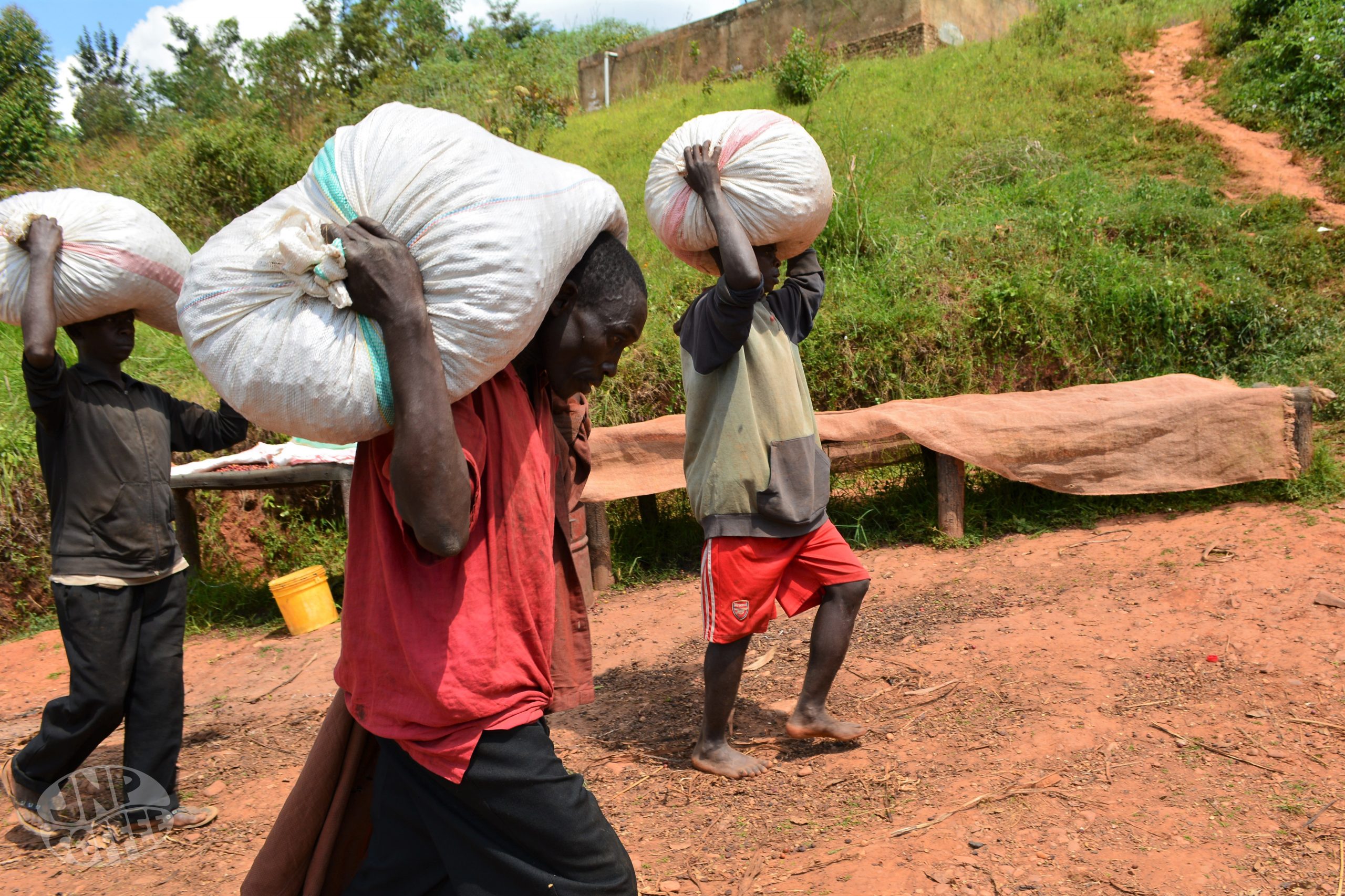
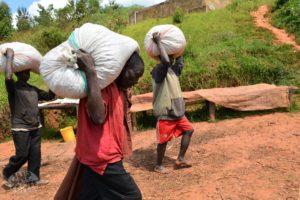
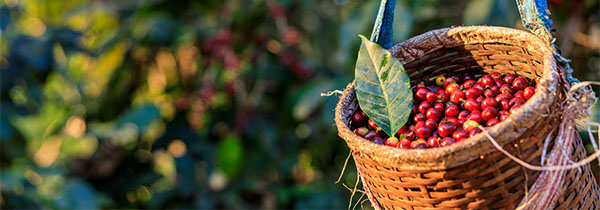
At the Businde washing station, located between 1,650 and 1,800 meters above sea level in the cool northern highlands of Kayanza, approximately 650 smallholder farmers cultivate plots of 0.5 to 3 hectares of the Bourbon variety. The farmers hand-pick the cherries and transport them on foot to the station the same day, ensuring the freshness of the cherries without waiting or unwanted fermentation.
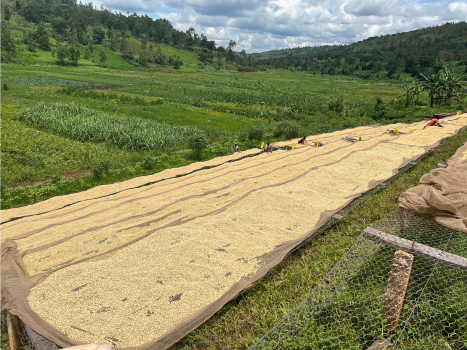
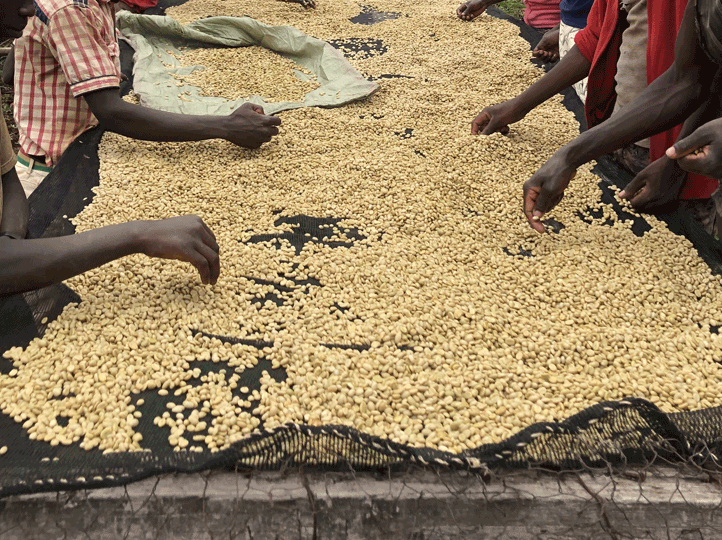
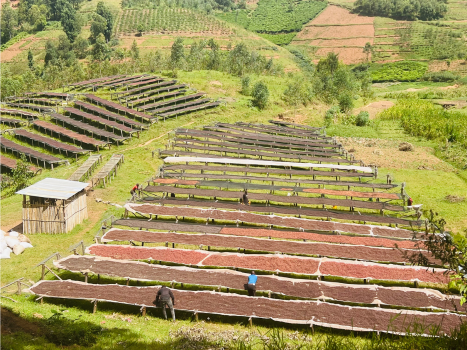
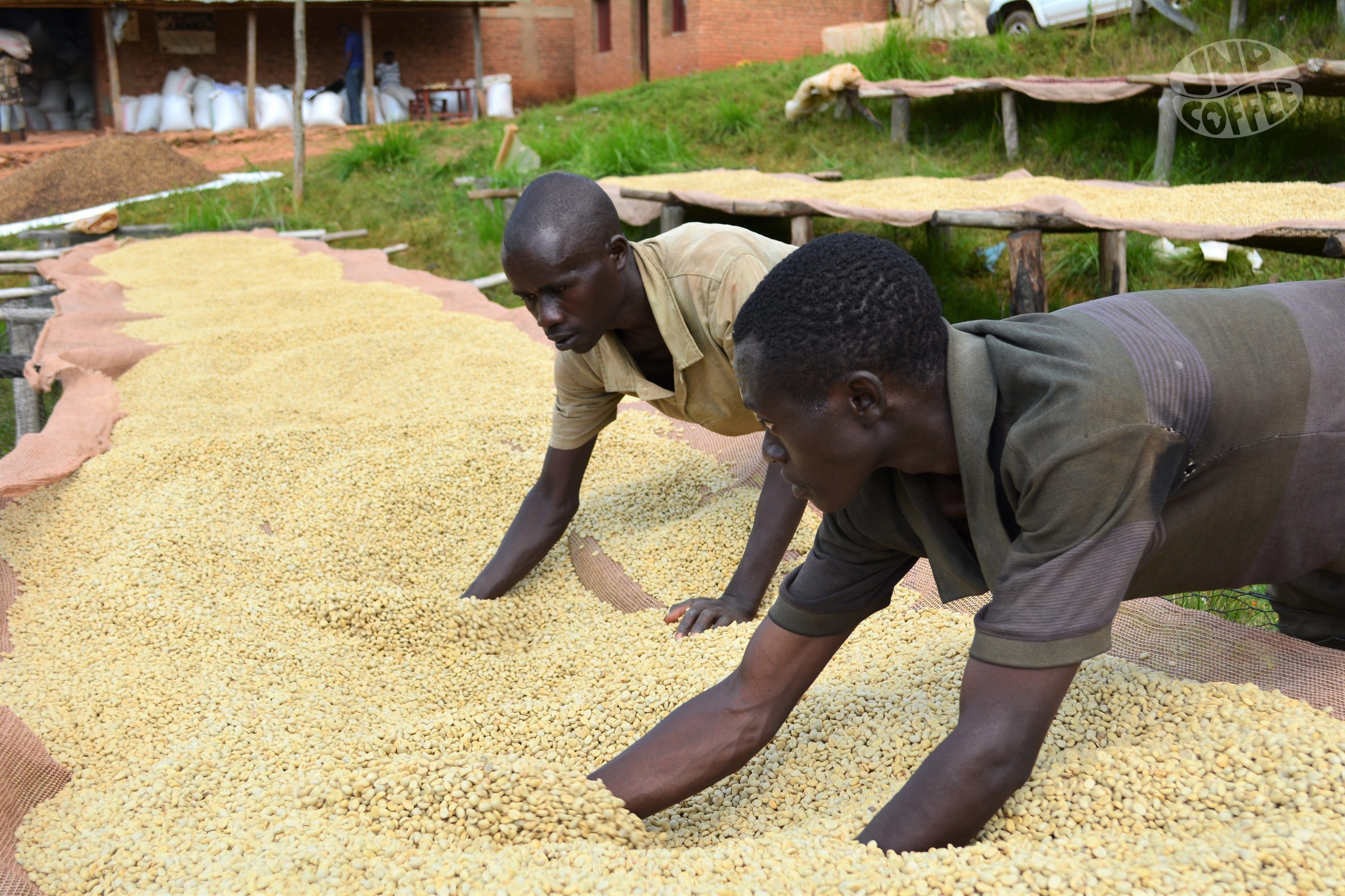
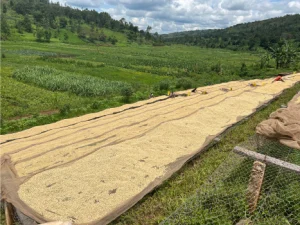
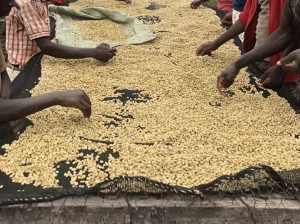
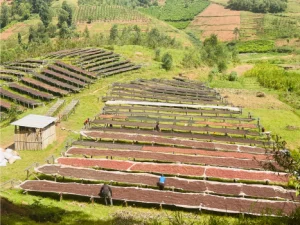
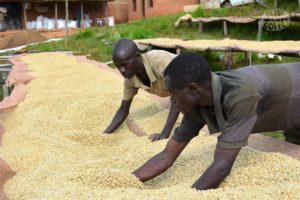
Once in Businde, the cherries are floated to select those with the highest density before moving on to the washing process. The cherries are pulped, fermented in open tanks for 12 to 15 hours, then carefully washed and graded again by density. The coffee is sun-dried for approximately 20 days on raised African beds, with the parchment manually turned every hour and protected during the warmer midday and evening hours, which promotes even moisture loss and ensures a clean, bright, and consistent profile. In addition, wastewater wells and composting programs with unused coffee pulp maintain soil health and environmental sustainability.
As part of Matsitsi Trading’s commitment to the well-being of its producer partners, the company pays 20% above the local market price for carefully selected cherries. In addition, permanent station workers receive wages nearly 60% higher than typical rates for seasonal agricultural jobs.
Historical Context of Burundian Coffee: During Belgian colonization, compulsory coffee cultivation was imposed as a means of paying taxes, leaving a difficult legacy that continued after independence. This led to decades of indifference toward coffee quality, compounded by unstable international prices. However, the renaissance of Burundian coffee began when local producers in the northern highlands, motivated by better practices observed in neighboring countries like Rwanda, began to form cooperatives and private washing stations. This change led to substantial improvements in quality, giving greater recognition and value to the coffee produced in Burundi.
Today, thanks to the increase in washing stations close to producing areas, it is possible to maintain better quality control and take full advantage of the ideal conditions of altitude, cool climate, and fertile soils. This has allowed coffee growers to receive better income from their harvests, positively transforming local communities and the prestige of Burundian coffee in the international market.
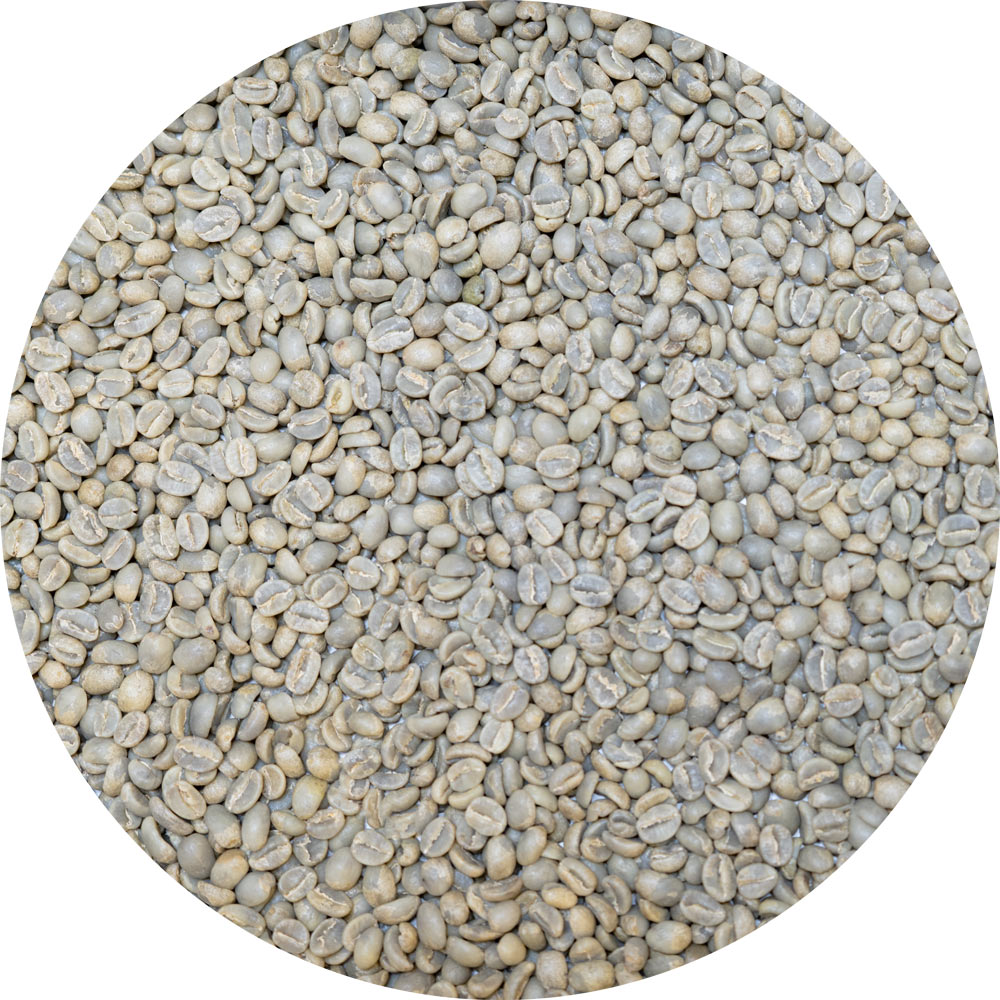
Tasting Notes: A lovely coffee from medium to dark roasts. A chocolate bomb cup (similar to Tanz Peaberry) at the fuller roast levels. Lower acidity, medium bodied, with a strong semi-sweet chocolate note. Hardly any traditional African herbal notes, which made me like this cup even more, smooth and on the more neutral side. If you roast it a bit lighter, you can see some brightness, a hint of lemon and a slightly more floral note popping out, but will not be nearly as chocolaty. Medium roasts build the darker tones and mute a bunch of the citric brightness, a semi-sweet chocolaty cup with a burnt sugar kick, just a pinch of crisp citric that will disappear as the coffee sets up. Hints of nuttiness is the aftertaste with a more milky mouthfeel. Darker roasts (into 2nd crack) turn the cup more robust, a semi-sweet chocolate bomb with a little roasty spice in the aftertaste, much flatter but very tasty with a splash of milk or for espresso/cold-brew.
Roasting Notes: An easy coffee to roast: medium to low chaff and even roasting. The color can darken pretty good right before 1st crack, make sure you see the expansion in size and chaff coming off to mark your lighter roast points. Medium roasts watch for a slight sheen on the surface of the beans. Darker roasts marked by the 2nd crack, hints of oil on the surface or smoke coming from the roaster. Being a little crisper cup, a longer setup on the beans is wise to minimize any slightly sour tones upfront.



after5 (verified owner) –
Sips, Suds, & Smokes Best of Season 13 winner for coffee. We fell in love in love with this bean this year and glad to see Burundi coffee available in the US market once again. That chocolate on the front end was a perfect combo for our standard quad shot Macchiato.