

Description
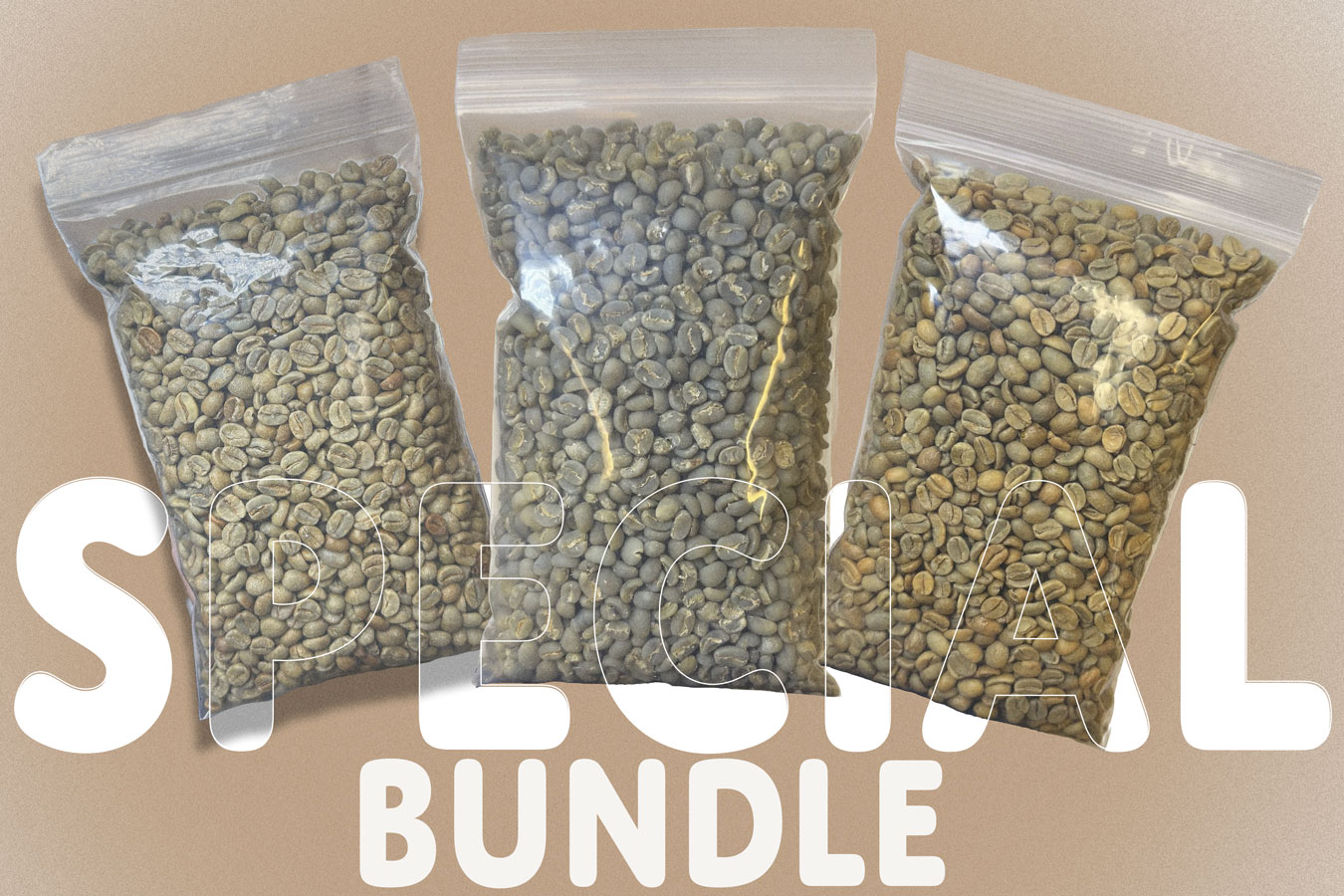
Garry’s coffee special features three of our more interesting coffees. Higher acidity, interesting processing, this bundle is leaning towards more exotic coffee tones.
*Bundles change over time. You will get the listed coffees at the time of order.*
A pound each of:
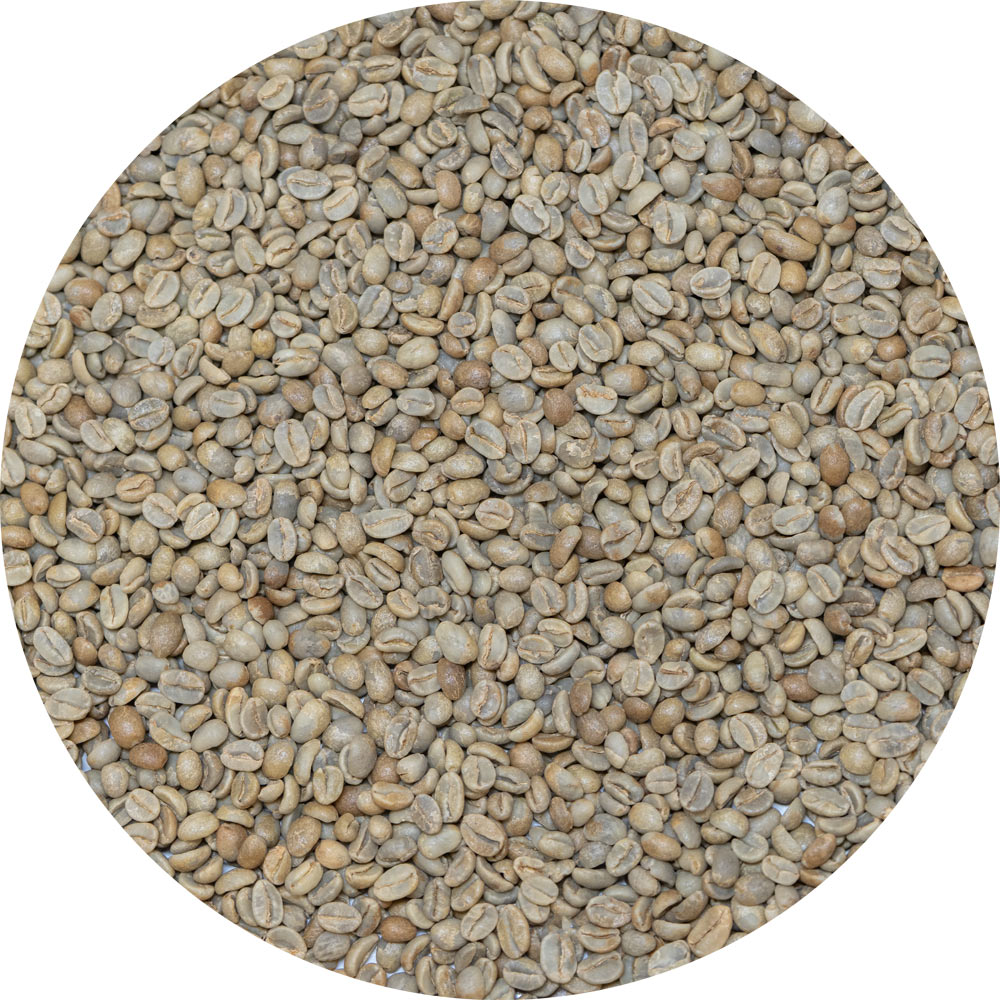
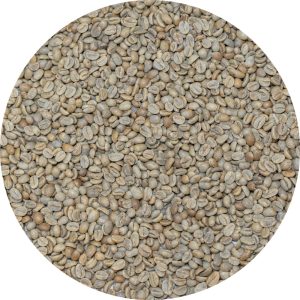
Burundi Kayanza Butanyerera – Natural Processed
This lot comes from the Nkuba Coffee Washing Station, located in the highlands of Kayanza province in northern Burundi. The station is owned by Minani Leonard and processes cherry from just 289 smallholder farmers who grow on its namesake hill. “Nkuba” means “lightning” in Kirundi, and local tradition holds that this hill sits on soil blessed by lightning. The station works alongside Baho Coffee, the company founded by Emmanuel Rusatira that runs washing stations in Rwanda and partners with independent processors in Burundi to bring their coffees to the international market.
Kayanza is deeply tied to the history and the specialty market of Burundian coffee. The Butanyerera region is a large, newly formed mountainous highland in the north of the country, bordering Rwanda to the north and Ngozi, another important coffee area, to the east. Here the trees grow at around 1647 masl on volcanic loam soils, from local bourbon cultivars. The harvest runs from March to June. It is worth remembering that natural processed coffee outside of Ethiopia is still uncommon in East Africa, so these Burundi naturals represent a niche with an identity of its own.
For this natural, cherry is collected daily from the surrounding farmers, sorted to remove imperfections, and moved immediately to raised drying beds. During drying the cherries are rotated continuously in the sun and, when needed, piled into small pyramids to slow the evaporation of moisture and preserve the cellular integrity and sweetness of the bean.
Tasting Notes: Best at a medium roast but works a pinch lighter or darker as well. Crisp, clean and sweet. A mostly traditional tasting Burundi with greater depth of flavors from the processing, not a super fruity cup but does pick up a hint more crispness, a buzzy acidity, a medium body with just a slightly fruity overlay. This cup has a pleasant but restrained acidity, closer to a Guatemalan than to a super bright African, balanced by a sweet herbal cacao base. Notes of melon and a subtle hint of green tea (classic African spice note) adds complexity to the taste without making it sharp. At a lighter roast it shows a bit livelier acidity and more potent aromatics, with the melon and green tea more present. From medium and beyond the acidity settles down and the cacao takes the center of the cup, giving a rounder, sweeter profile. It is a medium bodied cup, smooth with a slightly creamy texture that leaves a clean, pleasant finish.
Roasting Notes: This is an easy coffee to roast and fairly forgiving, so it is a good option both for beginners and for dialing in profiles. It gives its best from light to medium roasts: at a medium roast it keeps the balance between the mild acidity, the melon and the cacao, while toward the darker end (close but not into 2nd crack) it gains body and turns much more chocolaty and sweet. At a lighter roast it holds more freshness and the green tea touches, though we prefer it from medium to dark, where the cacao and sweetness shine without losing smoothness.
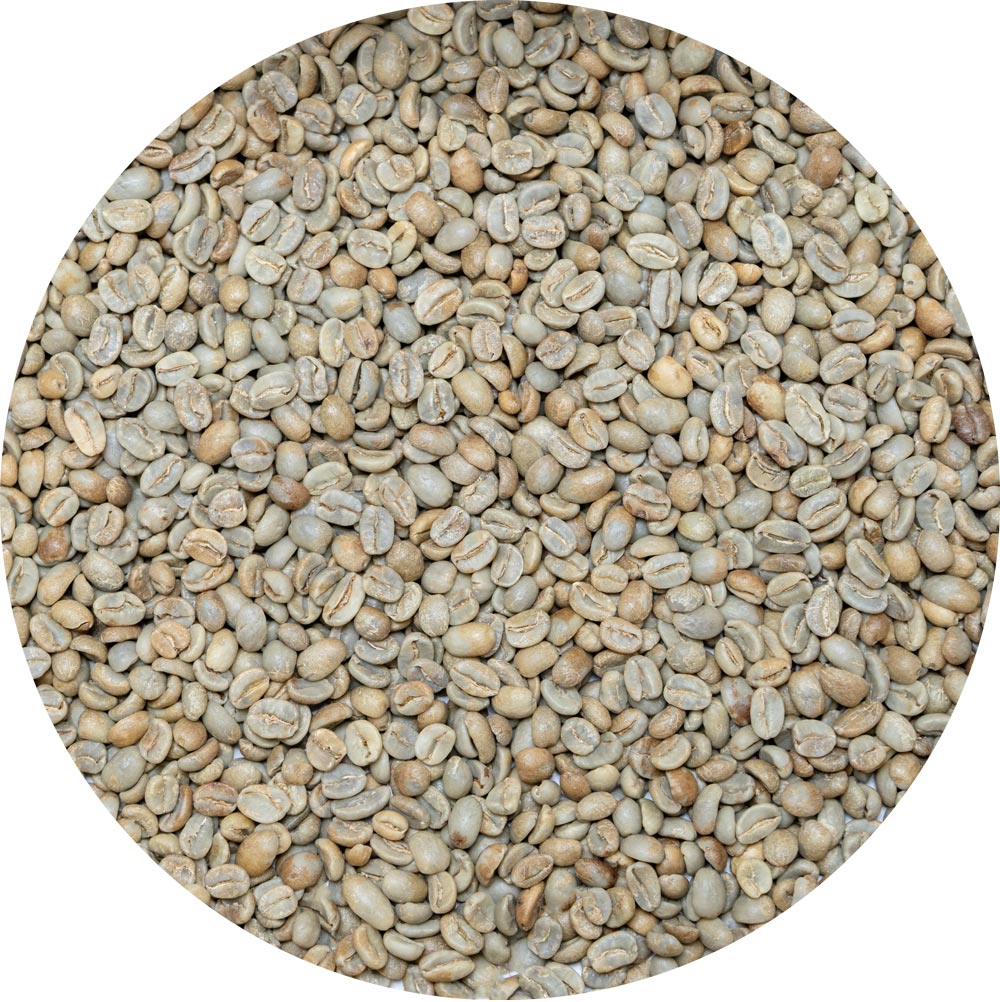
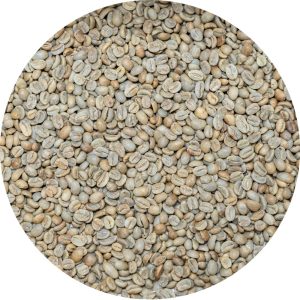
Honduran Org. CAFESMO Mercedes – Natural Processed
This lot comes from CAFESMO (Cafés Especiales Mercedes Ocotepeque), a Honduran cooperative made up of more than 280 smallholder producers located in the southern tip of the country, just a short distance from the borders with El Salvador and Guatemala. The growers had been working together for years, but it was in 2016 when they officially formalized the cooperative. By 2019 they were already exporting their first container of microlots to the United Kingdom, a notable leap for a group whose individual farms typically range between just 2 and 12 hectares.
What gives this coffee its distinct identity is the geography itself. The Mercedes hills are flanked by Cerro Pital to the west and protected on the other sides by the Guisayote National Reserve and the dormant Pacayita volcano. This wall of mountains creates a rich patchwork of microclimates, abundant natural shade, and the kind of volcanic loam soils that growers across Central America covet. The Ocotepeque region has slowly built a reputation for producing cups of unusual complexity, and CAFESMO has been one of the driving forces behind that recognition.
This particular lot is an anaerobically fermented natural, a process CAFESMO has fully embraced in recent years after experimenting with carbonic maceration and, in their own words, falling in love with the depth of profile it produces. The cooperative operates its own wet and dry mills, which means cherries are sealed in controlled conditions before sun-drying, locking in the wild fruit-forward character you’ll find in the cup. The lot blends Parainema, Pacas, Catuaí, and Icatú varieties grown between 1,000 and 1,900 meters above sea level, harvested between October and March, and the whole operation is backed by Organic certification.
Tasting Notes: A bright, lively natural with an acidity that takes the lead over its fruit character. Light roasts open up with a citrus-forward sparkle, think orange and lemon zest, with softer, more hints of berry notes playing in the background rather than dominating. The acidity is clean and crisp, almost sparkling, balanced by a smooth chocolate backbone that gives the cup real depth. The body sits in the medium range with a syrupy edge from the natural processing and fermentation. Medium roasts round out the citrus brightness and let the chocolate take center stage, with hints of cocoa and milk chocolate carrying the finish, while gentle red fruit notes whisper underneath. Darker roasts lean fully into a rich dark chocolate and sweet-tobacco profile, though a touch of the wild ferment character still peeks through.
Roasting Notes: Like most naturals, expect a bit of unevenness in the bean appearance. That’s normal and part of the charm. For light roasts, pull just before or right at first crack to preserve the wine and berry notes, the fruity acidity is the highlight here, so don’t push it. Medium roasts are the most forgiving: let the beans coast a little past first crack, watch for a light sheen, and drop them before any second-crack activity. For darker roasts, wait for the first audible signs of second crack and pull immediately, going past that point will quickly bury the fermentation character. Not recommended for very dark roasts.
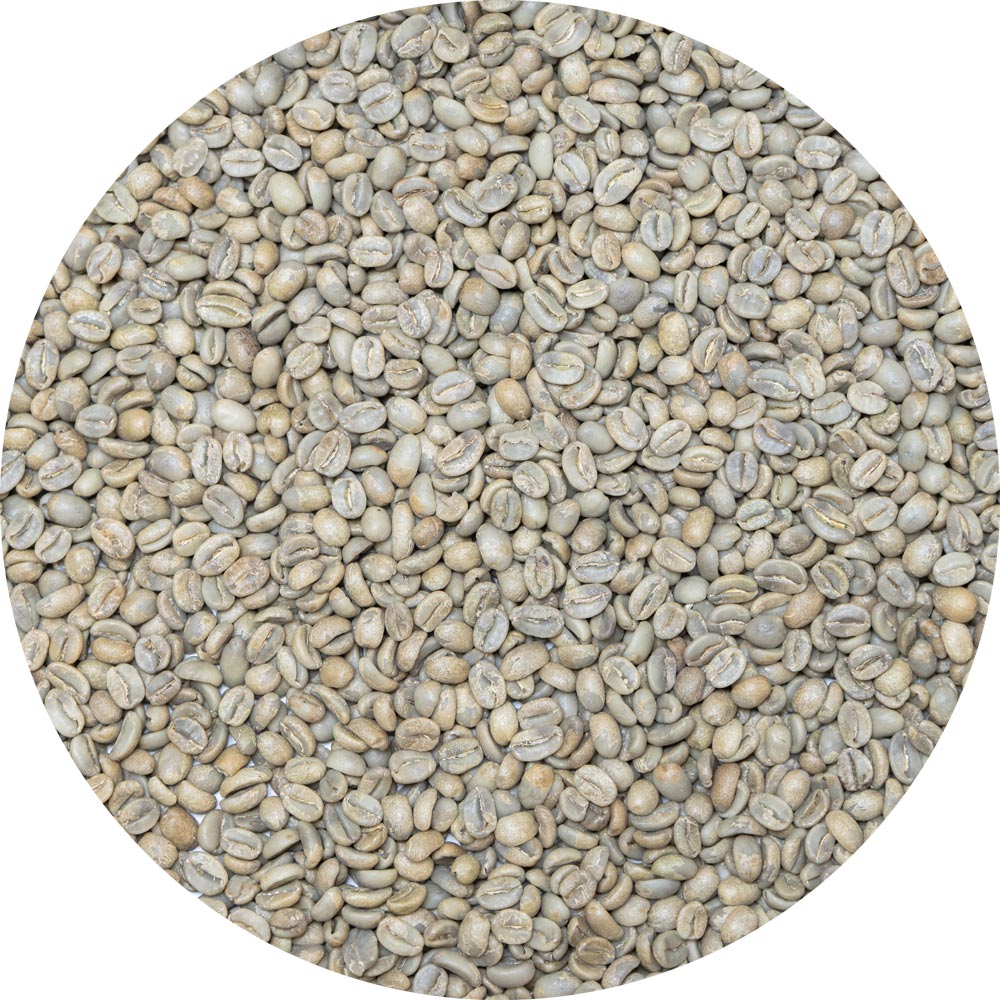
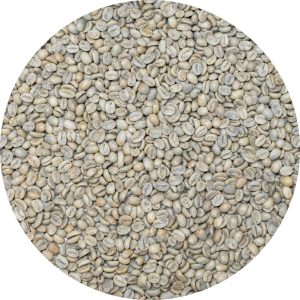
El Salvador Cerro Las Ranas Honey Processed
A blast from the past! A great year for Cerro Las Ranas. Years ago we found this coffee and fell in love, it was really cutting edge with its honey processing, an early adapter on what is now one of coffees hottest trends.
Cerro Las Ranas (the Hill of Frogs) coffee is named after the farm’s lagoon that is populated by thousands of frogs located in Apaneca within the department of Ahuachapan, El Salvador.
The coffee is produced by JASAL, a family owned operation where Jose Antonio Salaverria and his sons take great pride in their meticulous attention to detail, from year-round farm management to quality control in the cupping lab, and everything in between. In the pulped natural process (also called a honey process), Jose pulps perfectly ripened cherries and then dries the coffee beans, still covered in mucilage, on clay patios while constantly turning the beans to ensure even drying. This process provides a more consistent product than a full natural while still bringing some of the great attributes of a natural processed to the cup profile.
Tasting Notes: A lovely slightly-exotic daily drinker. Light to medium roasts are preferred with our favorite roast being right in the middle of the cracks. Lighter roasts have a hint of floral/citric acidity with just a touch of sweet and delicate red fruit coming from the honey processing. A bit on the nutty/chocolaty side for its balance, starts as a dry nutty at very light roasts, turns more chocolaty as the roast gets darker.
A little front loaded with the more acidic and fruity tones at traditional light roasts. Medium roasts have better balance between light an dark tones cutting out some acidity; smooth, rich and sweet edged. Dark roast loses the more exotic acidity and fruity edge but turns very thick, nutty, semi-sweet chocolaty with smoky accents.
Roasting Notes: A little higher chaff and a bit uneven roasting compared to a nice fully washed coffee. Nothing too challenging. We would recommend avoiding both super light and super dark roasts, they will either put a sour edge to the cup or a bitter edge. Light to medium roasting with this cup is where it will shine assuming you like a crisper cup. Close but not touching 2nd crack is ideal for smoothness and body.





Reviews
There are no reviews yet.