

Description
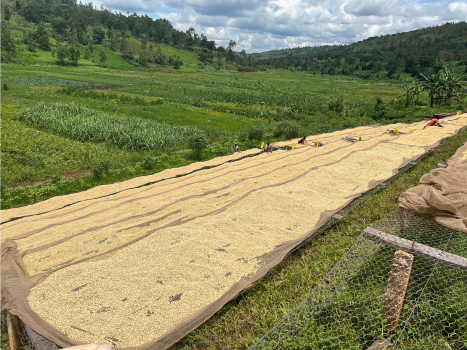
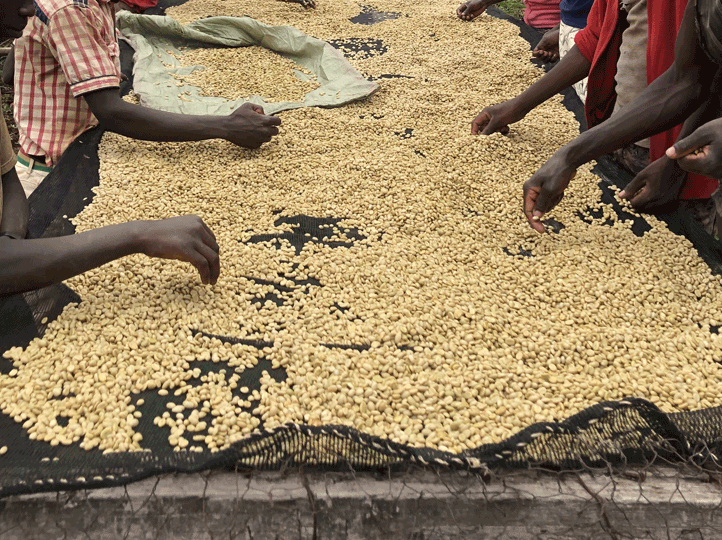
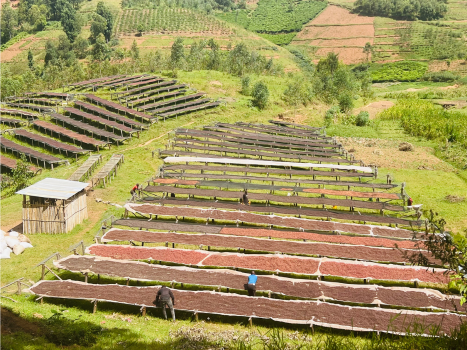
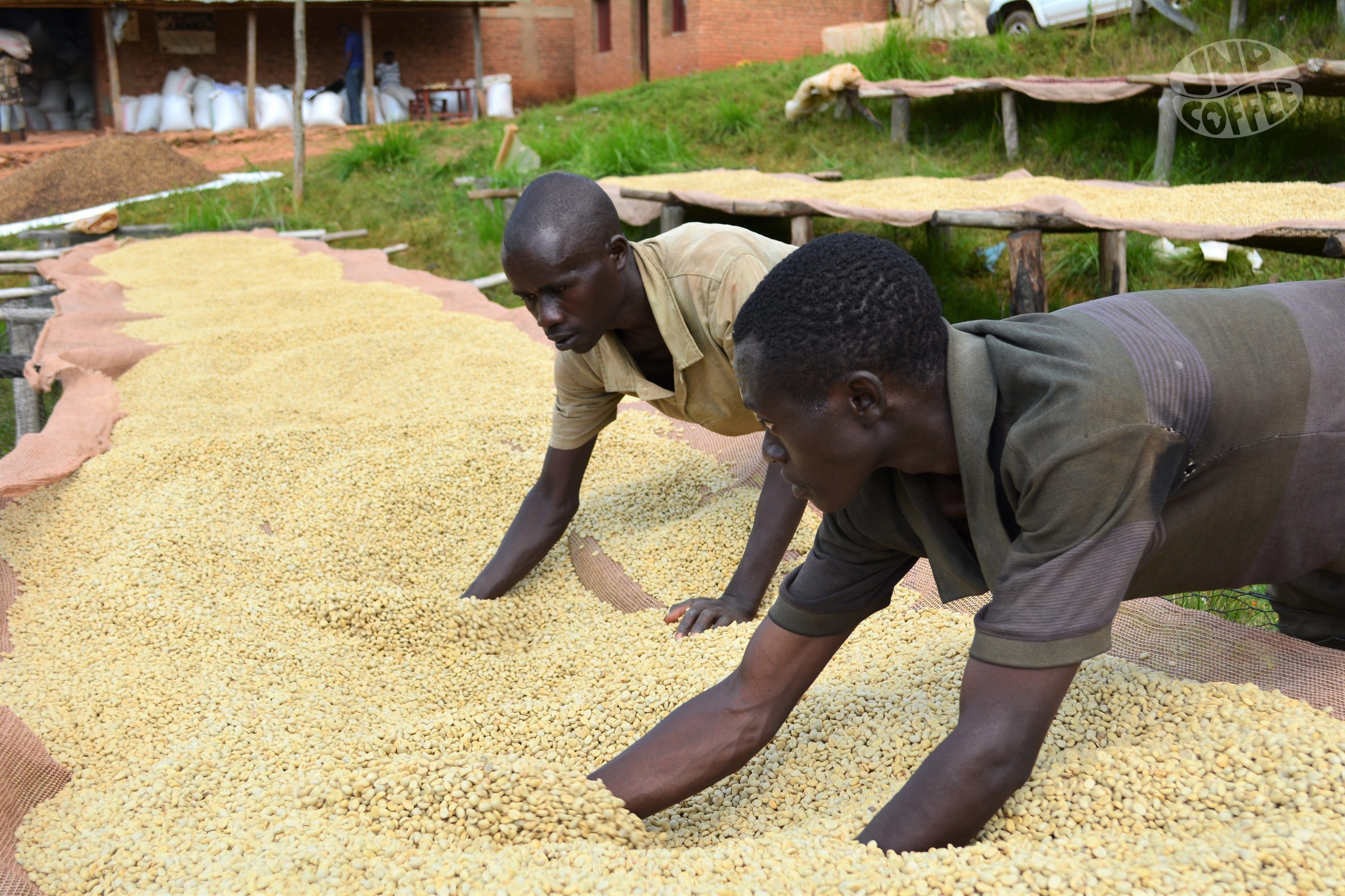
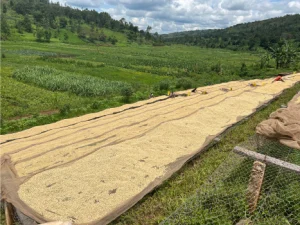
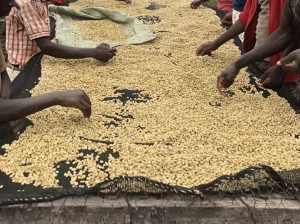
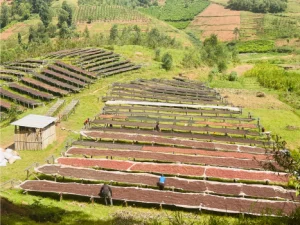
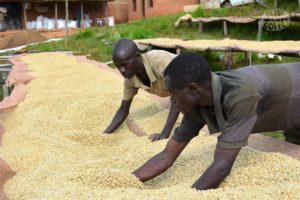
Founded in 2015 by Matsitsi Zuberi, Matsitsi Trading is dedicated to the production and export of specialty coffee, positioning itself as a benchmark for quality in Burundi. With three strategically located washing stations two in the renowned Kayanza region and one in Muyinga province the company invests in advanced infrastructure, including fermentation tanks, solar-powered warehouses for parchment drying, and traceability systems, to ensure meticulous and sustainable processes.
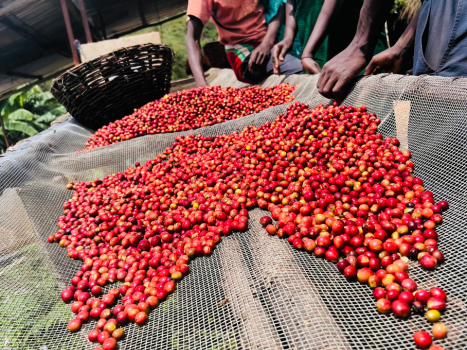
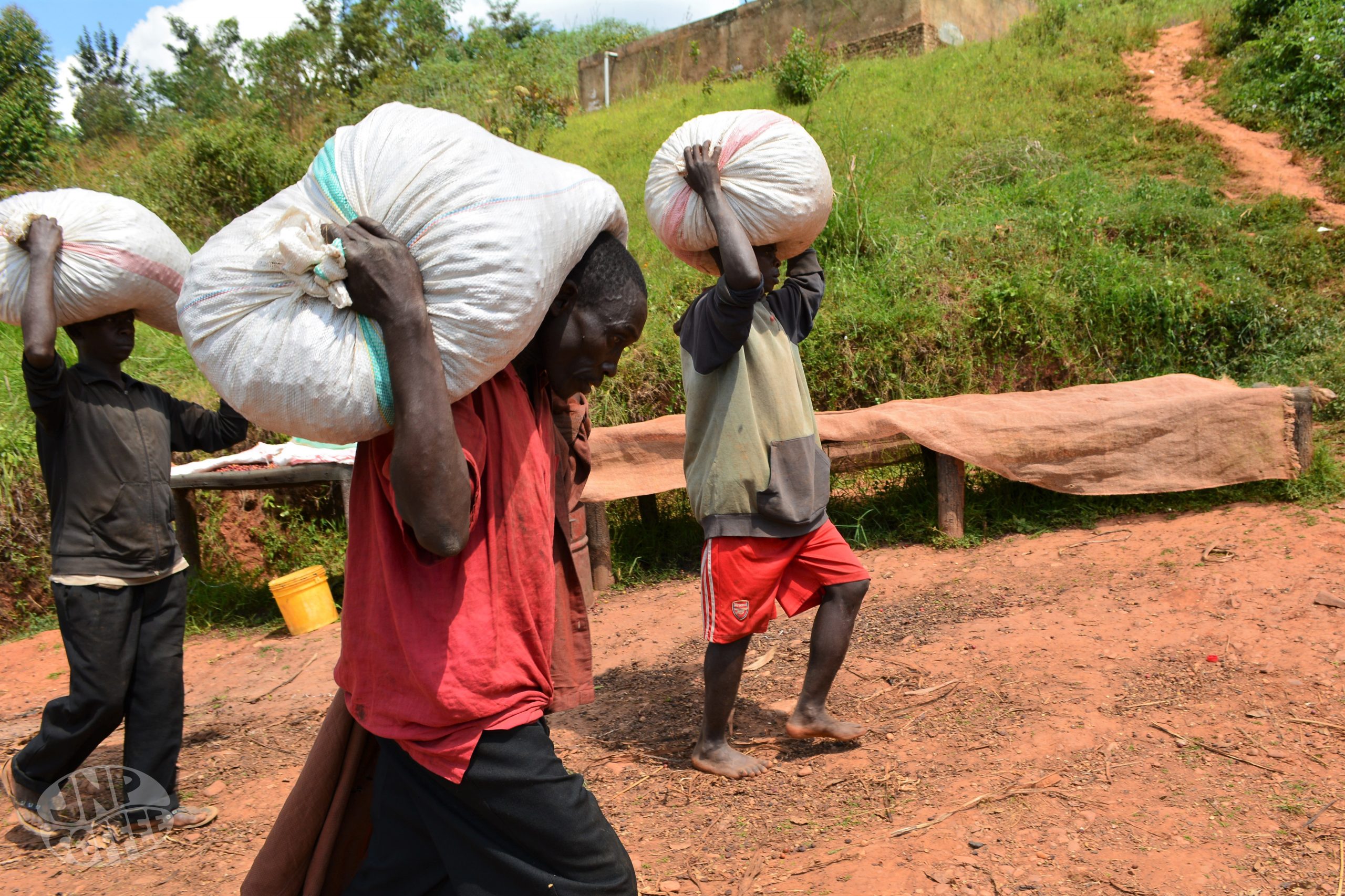
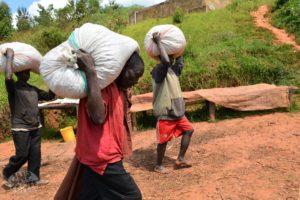
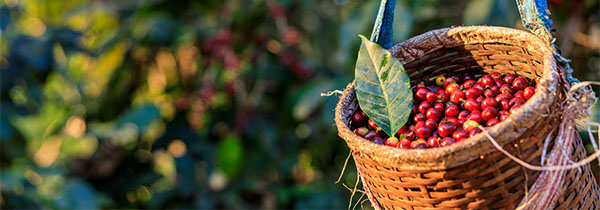
At the Businde washing station, located between 1,650 and 1,800 meters above sea level in the cool northern highlands of Kayanza, approximately 650 smallholder farmers cultivate plots of 0.5 to 3 hectares of the Bourbon variety. The farmers hand-pick the cherries and transport them on foot to the station the same day, ensuring the freshness of the cherries without waiting or unwanted fermentation.
As part of Matsitsi Trading’s commitment to the well-being of its producer partners, the company pays 20% above the local market price for carefully selected cherries. In addition, permanent station workers receive wages nearly 60% higher than typical rates for seasonal agricultural jobs.
Historical Context of Burundian Coffee: During Belgian colonization, compulsory coffee cultivation was imposed as a means of paying taxes, leaving a difficult legacy that continued after independence. This led to decades of indifference toward coffee quality, compounded by unstable international prices. However, the renaissance of Burundian coffee began when local producers in the northern highlands, motivated by better practices observed in neighboring countries like Rwanda, began to form cooperatives and private washing stations. This change led to substantial improvements in quality, giving greater recognition and value to the coffee produced in Burundi.
Today, thanks to the increase in washing stations close to producing areas, it is possible to maintain better quality control and take full advantage of the ideal conditions of altitude, cool climate, and fertile soils. This has allowed coffee growers to receive better income from their harvests, positively transforming local communities and the prestige of Burundian coffee in the international market.
Tasting Notes: A wonderful example of a fruity natural! Lighter roasts are where this cup will shine. Hints of lemony floral acidity comingle with tropical edged red fruit tones, what a combination! A chocolate like undertone to balance off the cup. Not much for the traditional African herbal/vegetal spice note which many Central or South American coffee fans will love, but may come off as a more delicate cup to African fans. Medium roasts get much more chocolaty and smooth, retains the red fruit tone nicely. Darker roasts pick up some stronger roasty tones, compliments the more chocolaty aspects of the cup, especially as it cools, the fruitiness will jump right out even at darker roast points.
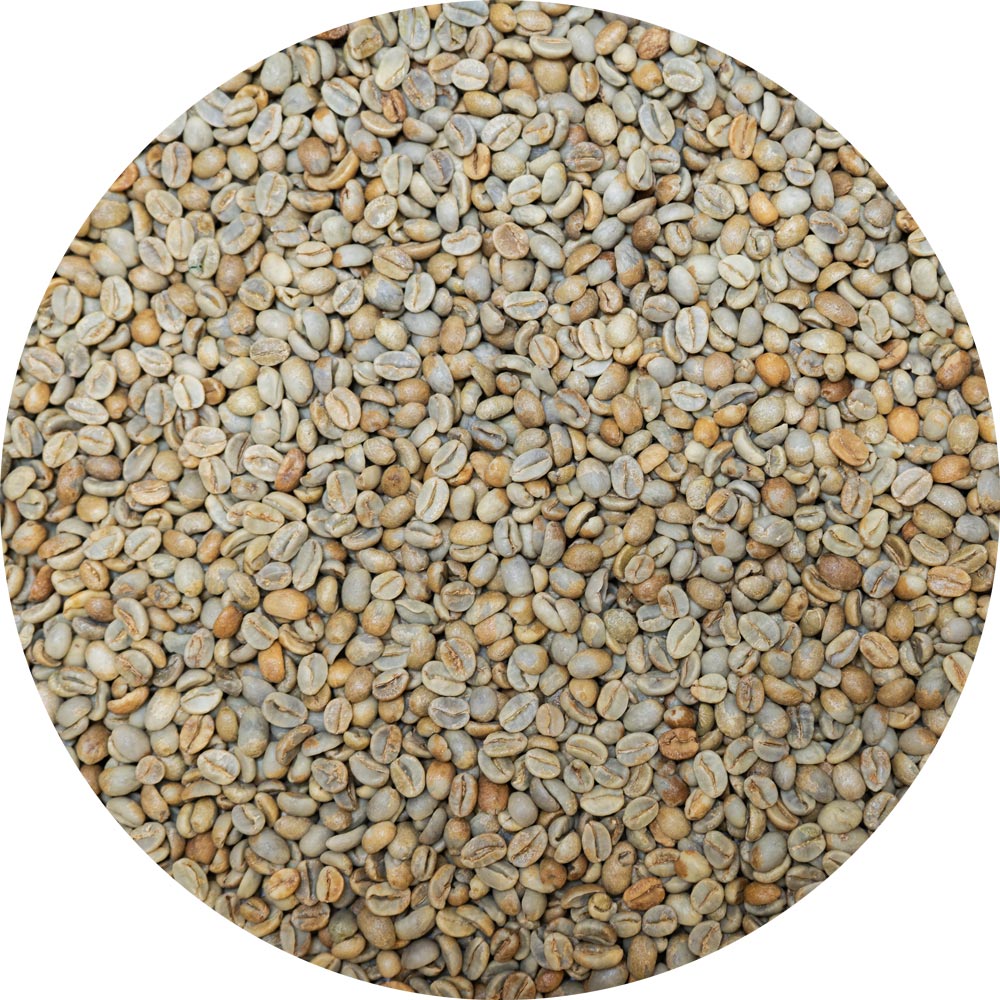
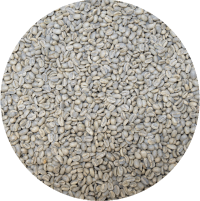
Roasting Notes: Easy to roast but will have higher chaff levels. Slightly uneven roasting with a couple outliers that won’t catch up in color until a medium to dark roast. If shooting for a light roast, ignore the outlier couple of beans, they will not throw cup tones, or anything still golden in color, can always be flicked out. Medium to dark roasts are pretty bulletproof. The lighter you roast, the longer we recommend to setup the beans before drinking. Surface color, similar to many higher altitude Africans, looks a bit darker than normal. Don’t let it trick you, if you do not see the expansion in size, you are not through first crack yet.



Reviews
There are no reviews yet.