
Description
A fresh early arrival! The main Tanz crop is still a month or two away but we had a good friend bring in a tasty early container that we couldn’t help but to get in on. Life without Tanz PB is rough. It is our main go to for darker roasts, strong chocolate and spice notes. Works from light to dark though depending on your personal tastes.
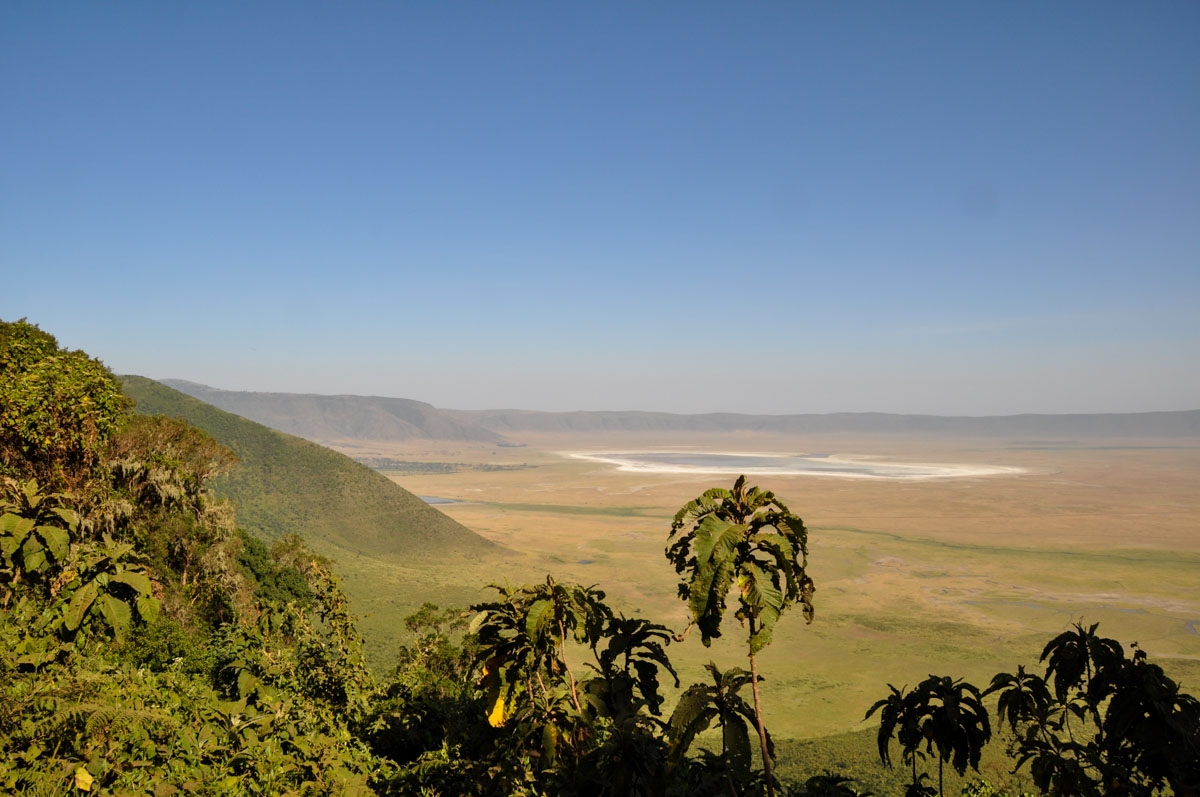
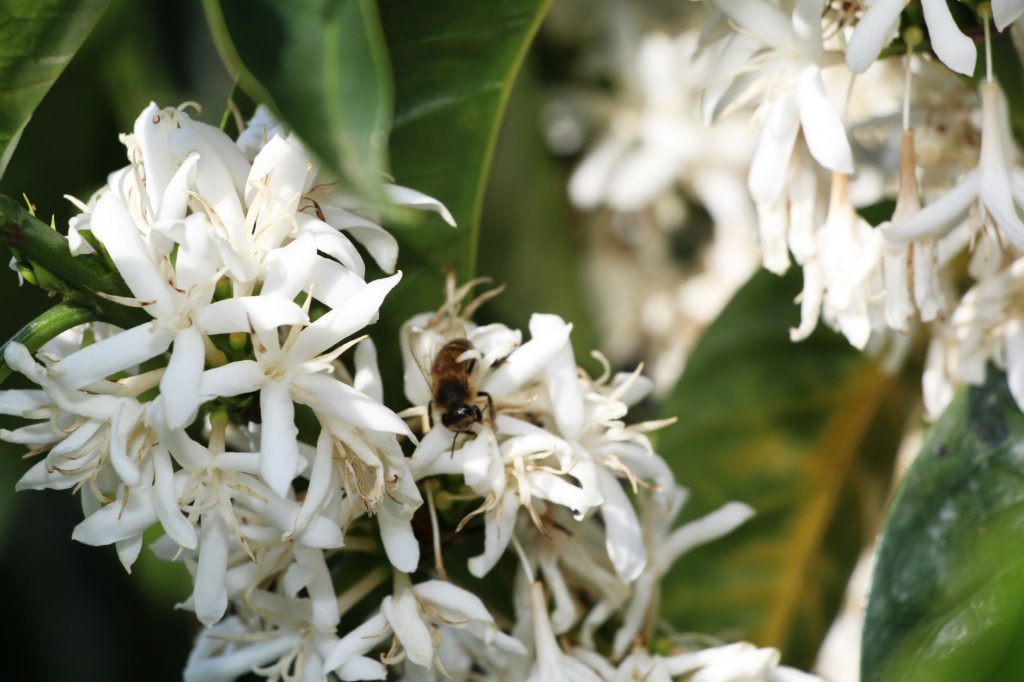
Tanzania’s relationship with coffee dates back long before coffee was consumed as a beverage. In the northwest of the country, the Haya people traditionally used the coffee fruit in their daily lives and ceremonies, often chewing it and as part of cultural exchanges. Over time, colonial rule propelled coffee as a formal export crop, and the cultivation of Arabica expanded, especially around Mount Kilimanjaro.
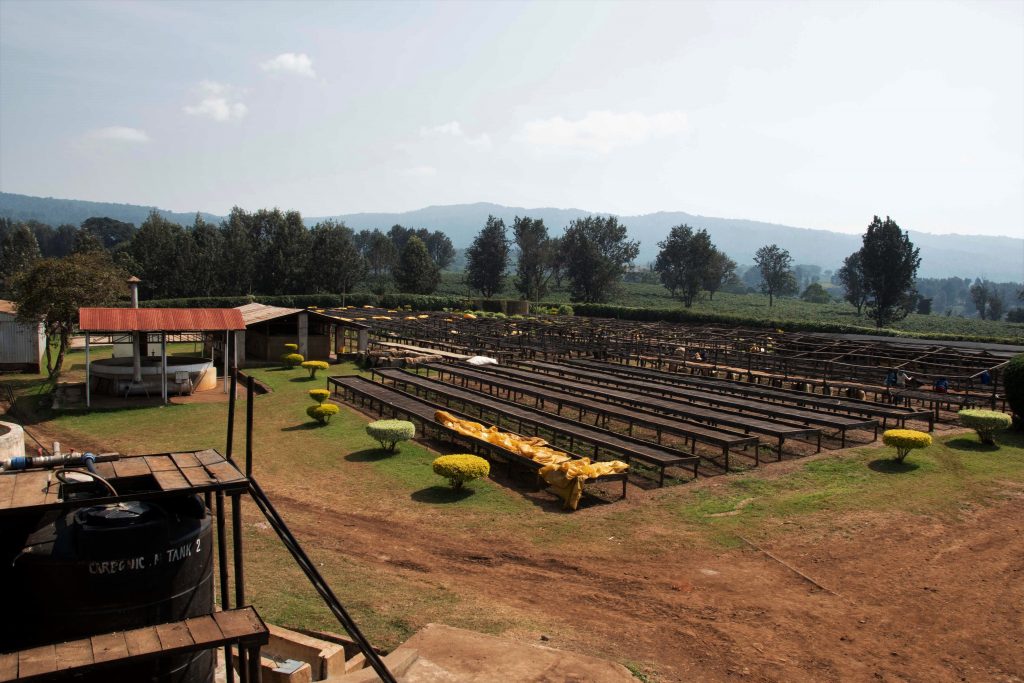
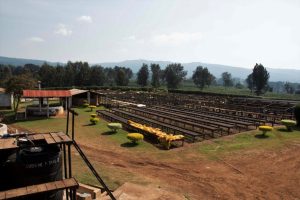
Tanzania also has a long history of farmers organizing themselves to gain better market access. Producer groups began forming cooperatives in the early 20th century, and today the supply chain remains heavily reliant on community-based structures: cooperatives, unions, and organized marketing channels. At the farm level, production is still largely in the hands of smallholder farmers: approximately 90% of Tanzanian coffee comes from some 320,000 smallholders, with an additional volume coming from a smaller number of larger estates.
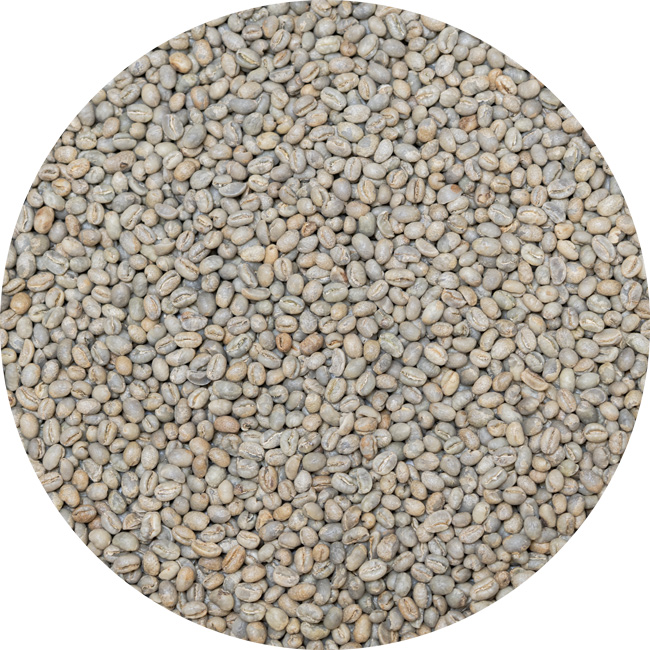
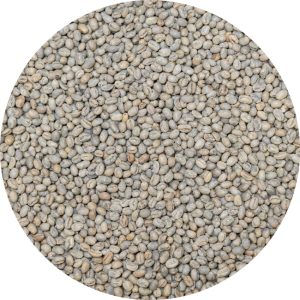
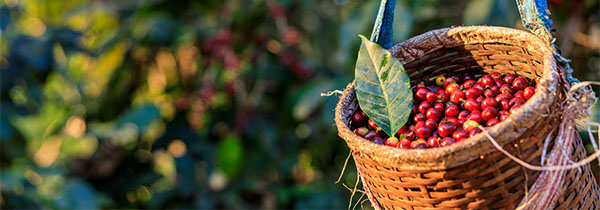
This lot is a classic Tanzanian offering: PB (Peaberry). Peaberry beans are a natural mutation in which the coffee cherry develops a single, small, round seed instead of two flat seeds, typically representing between 5% and 12% of the harvest. In Tanzania, Peaberry beans are sorted separately, and since some buyers prefer strict uniformity in bean size, much of the coffee available outside of those channels is often Peaberry. This coffee is washed, grown between 1200 and 1900 meters above sea level, and harvested during two main periods (South: May-September; North: July-November). The variety is a regional blend of Blue Mountain, Bourbon, Kilimanjaro, Luwiro, and other traditional local types.
Tasting Notes: A fresh and tasty example of traditional Tanzania coffee. Best at a medium to dark roast. Lower acidity with medium to full body, the tastes are bolder, and down the nutty, chocolate, and spice alley. A gentle brightness at lighter roast points. Although we recommend medium to dark roasts, at lighter roast points it does show more traditional African tastes: a gentle sweetness, hints of nutty/caramel tones, a citric crispness, comingling with an herbal, rustic chocolate note.
Roasting Notes: Peaberry beans can behave slightly differently in the roaster due to their more rounded shape, in air roasters, wise to slightly reduce batch size. For the best balance, a medium roast is recommended, retains a little crispness that balances nicely with the stronger dark tones. Roasting darker will accentuate the caramelized sweetness and chocolate/spice notes. A couple extra day setup is wise if looking for a smooth cup.




Reviews
There are no reviews yet.