


Description
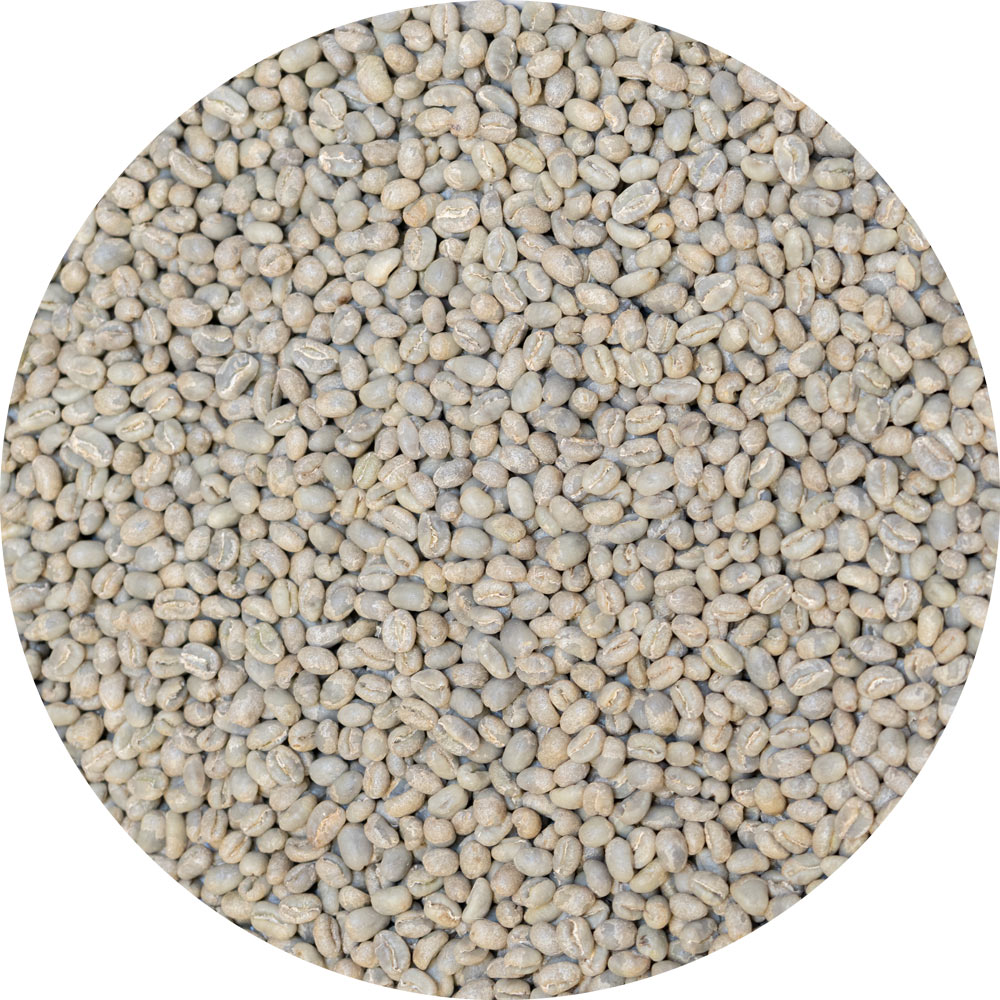
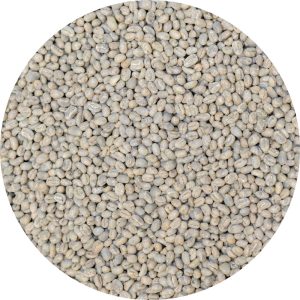
Nothing else tastes like a nice Kenya coffee. Many consider them the all star of the coffee world due to them being brighter cup, cleaner cups with an incredible depth and potency of flavors. Peaberries are rounded beans, no flat side like traditional coffee. Usually 1 in about 40 beans is a peaberry. To produce straight peaberry offerings, they use special vibrating tables to separate them out. Often a little denser and smaller than the flat beans, they will taste similar, but have a slightly unique spin on the taste.
Machakos county is one of central Kenya’s largest, beginning south of Nairobi and spanning northeast along the borders of Kiambu, Muranga’a, and Embu counties, some of Kenya’s oldest coffee producing areas. Machakos is lesser-known than the highly competitive central counties of Kiambu, Kirinyaga, and Nyeri, and while it is commonly known as “Eastern” Kenya, it nonetheless is capable of producing excellent quality coffees, as it contains similar latitudes and elevations to the rest of the central area.
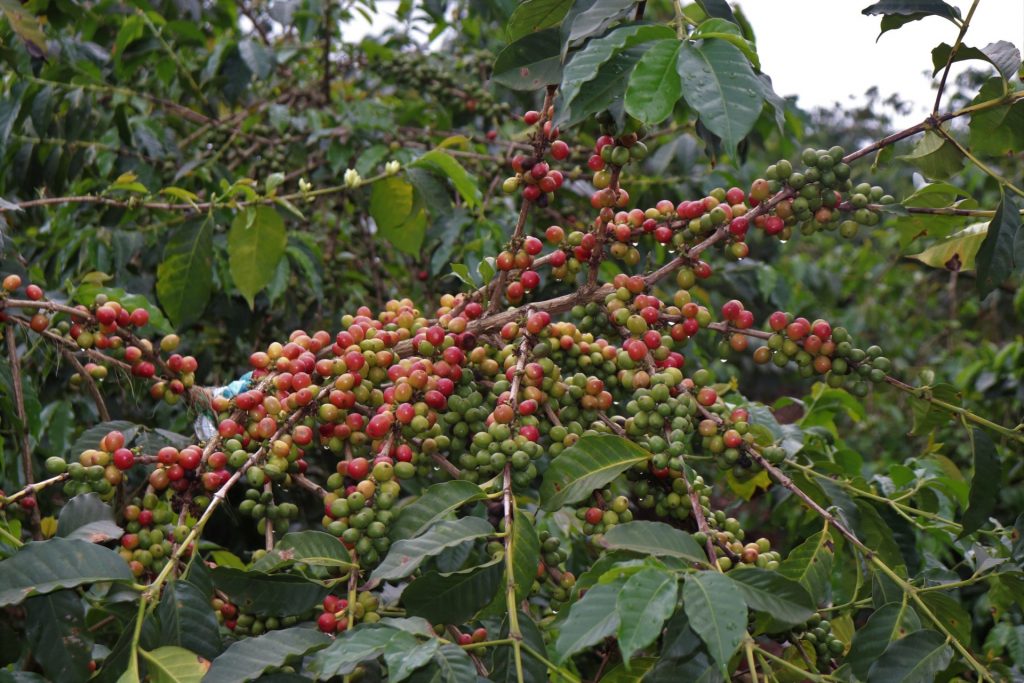
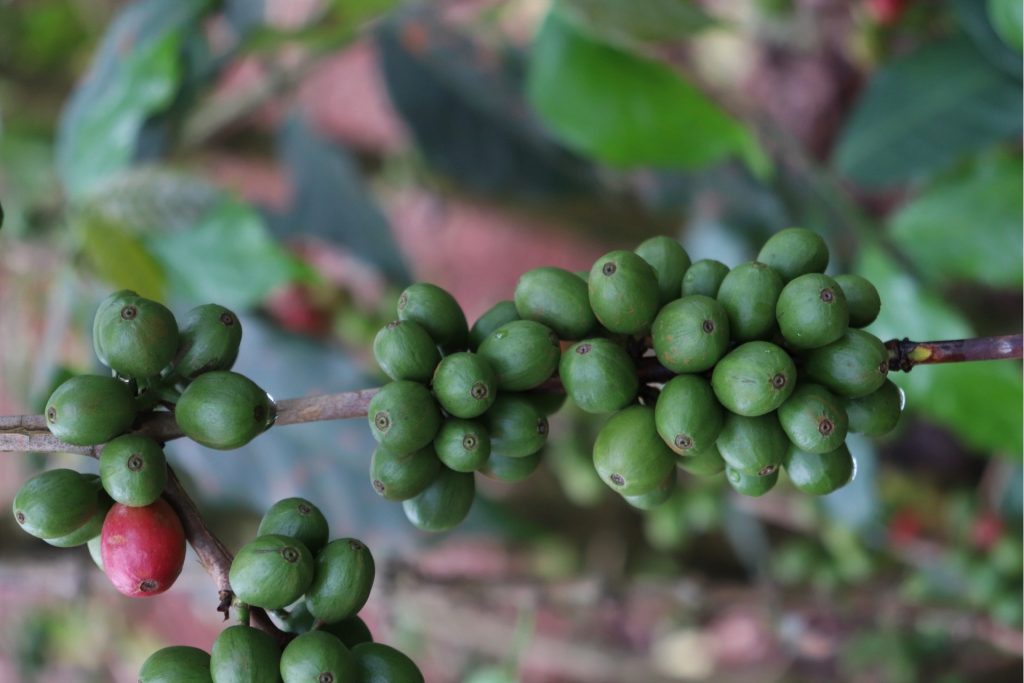
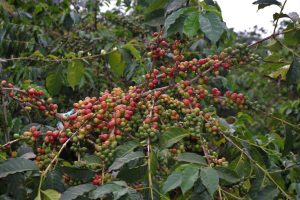
This particular lot comes from Kaliluni “fly crop”, a smaller secondary harvest common in many equatorial coffee producing countries that follows a secondary rainy season. Fly crop Kenya’s are not as large as the main harvest, but nonetheless can yield exquisite tasting, highly rated coffee and beautiful coffee. Plus super fresh beans in the off season is quite a perk!
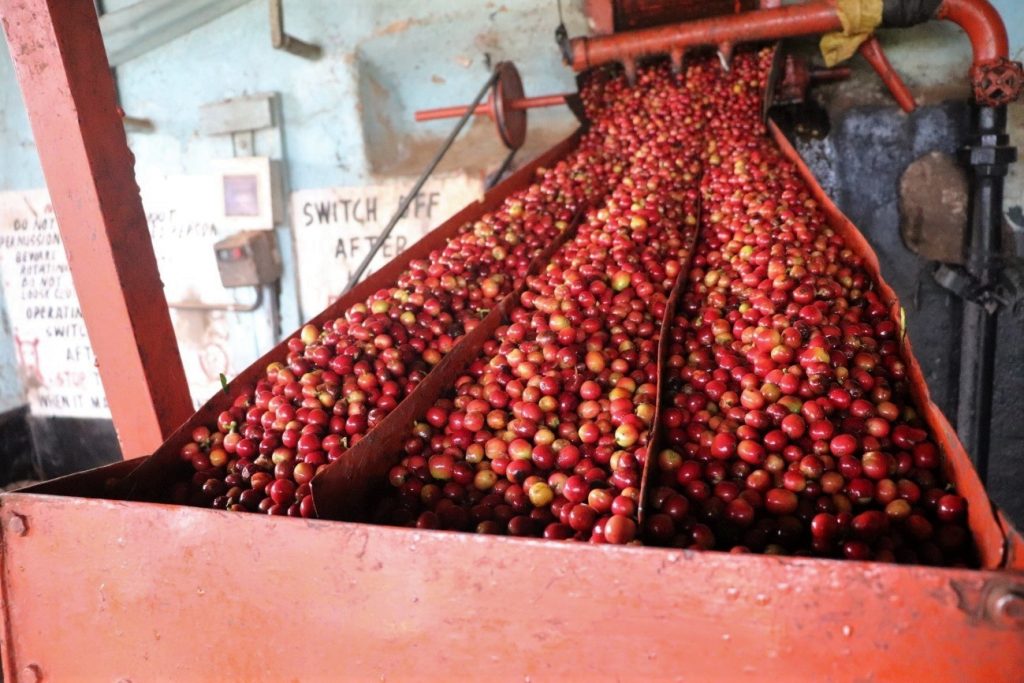
Kaliluni Factory is the sole washing station in the Kaliluni Farmer Cooperative Society (FCS). The producer group belongs to the Machakos Cooperative Union, an umbrella organization that represents 28 societies in the county and offers benefits to its member commonly provided by 3rd party service providers elsewhere in Kenya, including dry milling, farmer training, marketing, and subsidized farm inputs like pesticides, fertilizer, and fungicides.
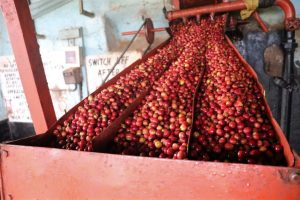
Kenya is of course known for some of the most meticulous at-scale processing that can be found anywhere in the world. Ample water supply in the central growing regions has historically allowed factories to wash, and wash, and soak, and wash their coffees again entirely with fresh, cold river water. Conservation is creeping into the discussion in certain places understandably in the drier areas where water, due to climate change, cannot be as taken for granted but for the most part Kenya continues to thoroughly wash and soak its coffees according to tradition. The established milling and sorting by grade, or bean size, is a longstanding tradition and positions Kenya coffees well for roasters, by tightly controlling the physical preparation and creating a diversity of profiles from a single processing batch.
Tasting Notes: A great cup from light to dark, we thought it best in the light-medium roast levels but will work for darker roast fans as well. Higher acidity cup, a bit more punchy than the AA sister lot, comes off pretty lemony at the lighter roasts, has a nice touch of red fruit, down the raspberry alley. The lighter/brighter tones balance with a nutty/chocolate/herbal undertone. Unlike traditional Kenya, the herbal tone comes off more like a green tea, far less vegetal, a wonderful unique spin while not straying too far from classic. As it moves toward medium roasts, the cup becomes rounder and more structured, maintaining the citrus lift while deepening sweetness and body. In darker roasts, acidity drops back and the profile shifts toward bakers chocolate and deeper spice, with less fruit and citrus.
Roasting Notes: An easy coffee to roast, tasty from light to dark and very even roasting, medium chaff levels. Lighter roasts emphasize its bright lemon acidity and bring forward the nutty, lightly herbal and spiced layers, which help differentiate it from the peaberry’s more fruit-sweet focus. A medium roast tends to offer the best balance, keeping the citrus lively while rounding the cup with chocolate, caramel sweetness, and a slightly fuller body. Pushing it darker will soften the citrus and reduce fruit character, leaning more into cocoa and spice. If your goal is to clearly separate it from the peaberry on the menu, keeping it in the light to medium range will highlight its brighter lemon, stronger nutty character, and more defined spice-herbal finish.



Reviews
There are no reviews yet.