
Description
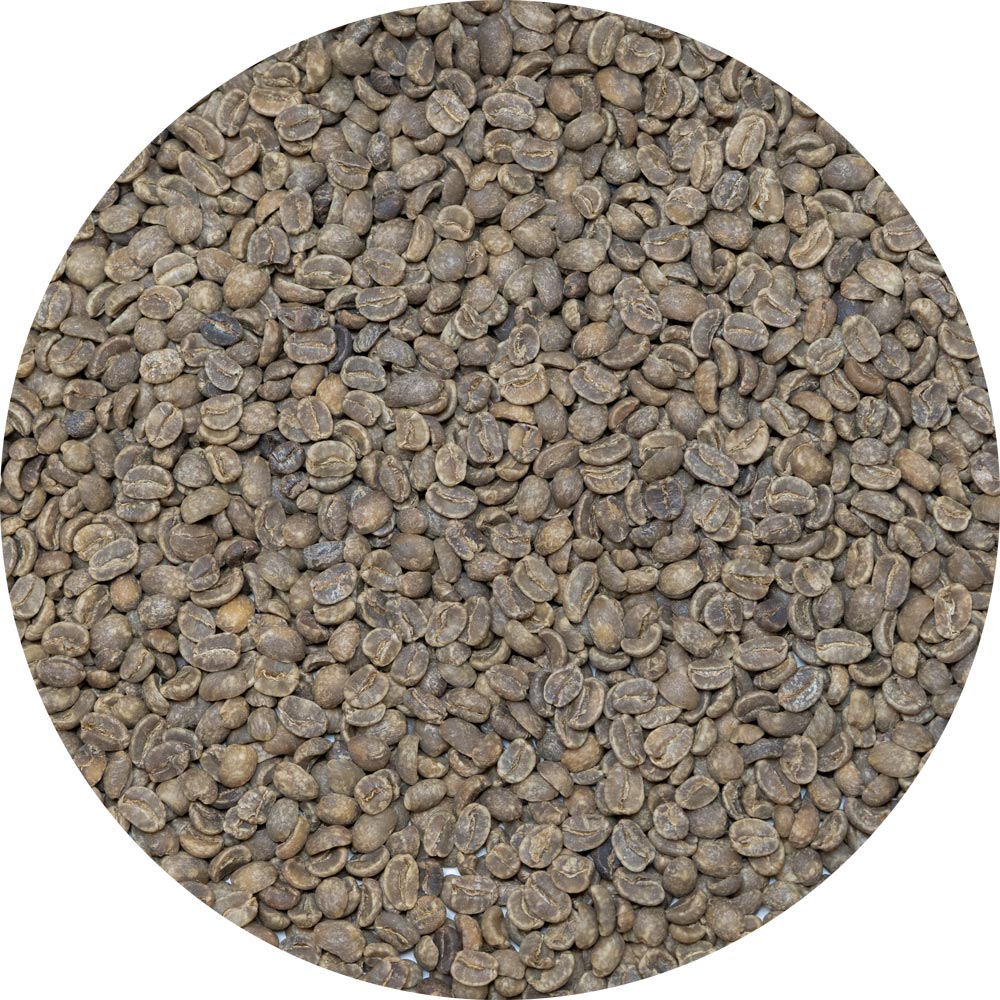
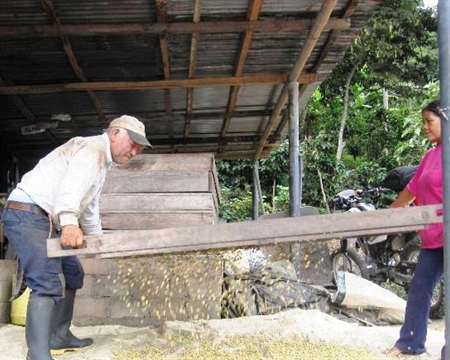
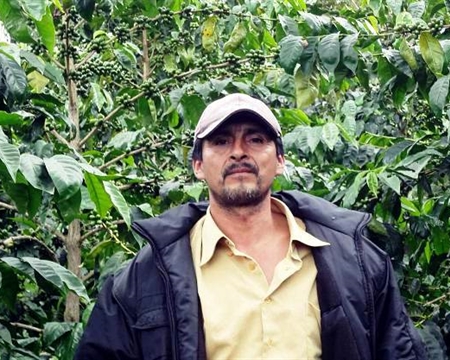
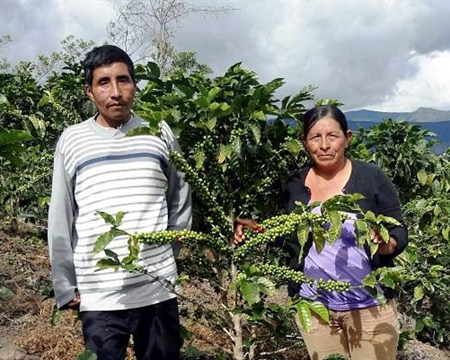
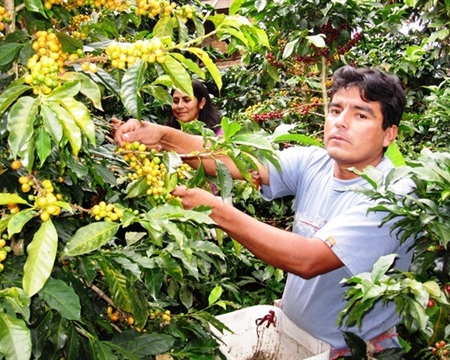
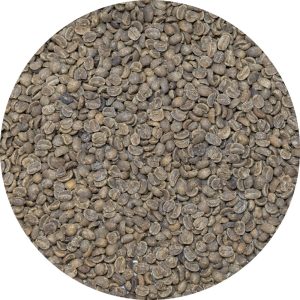
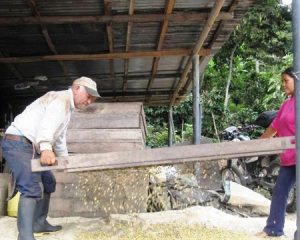
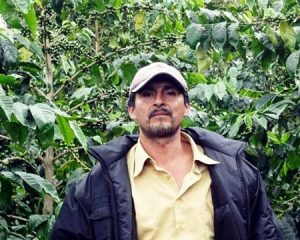
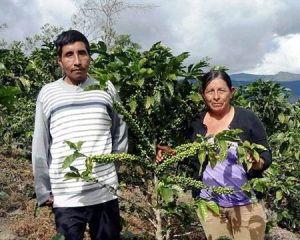
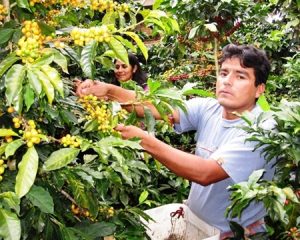
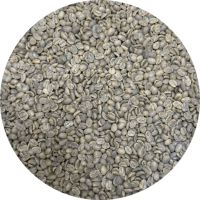
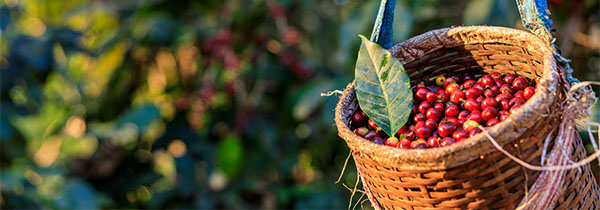
This organic decaf coffee comes from northern Peru, specifically San Ignacio (Cajamarca), a high-altitude coffee-growing region near the Ecuadorian border. Here, coffee is typically produced on small farms and in rural mountain communities, and is consolidated through strong organizations to ensure consistent quality separation, storage, and distribution. In this case, the origin is linked to CENFROCAFÉ, a cooperative founded in 1999 that now brings together more than 2,800 families organized into grassroots associations and networks in the provinces of Jaén, San Ignacio, and Bagua. The lot is a regional blend from 1250–1800 meters above sea level, with a mix of Bourbon, Catimor, Caturra, Mundo Novo, Pache, and Typica varieties. It is processed using a full wash method and sun-dried, resulting in a clean and consistent cup.
To decaffeinate it, they use a water-based process: first, the beans are hydrated to facilitate extraction, and then a concentrated solution of components from the coffee itself (coffee concentrate) is used to get the water at max saturation for the flavor compounds, than through osmosis, they remove the caffeine, minimizing the loss of flavor compounds. Finally, the coffee is dried again, and the solution is filtered for reuse. The result is a decaf with a “comfort” profile but with good clarity: sweet, well-rounded, and easy to drink, without feeling flat.
Tasting Notes: Best around a medium roast but works a little lighter or darker. Smooth and rich, lower acidity cup. Toffee/nutty/caramel and cocoa sweetness, with a creamy, marzipan-like mouthfeel and a hint of granola/toasted oats. A subtle fruity note (like dried apple) may emerge in some areas, keeping the cup lively without increasing the acidity.
Roasting Notes: A very forgiving decaf for medium roasts. At light-medium roasts, the marzipan-like sweetness and clarity are more pronounced; at medium roasts, it becomes rounder and more chocolatey (the easiest roast for most); and at medium-dark roasts, it develops a deep cocoa and body, maintaining good sweetness if the finish is controlled and a dry finish is avoided. Like many water-processed decafs, it can develop color faster than expected: it’s best to be guided by its development rather than just its appearance. A few extra days of aging usually round out the profile considerably.


stromchan (verified owner) –
Beautiful decaf. I get lemon, malt, and chocolate notes with my roasts.
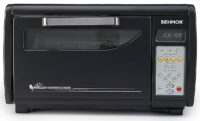
My wife an I are small-time roasters that roast for a local farmer’s market. We use a Gene Cafe that we bought from Burman. After playing around, this is how we roast this coffee.
We roast 9 ounces at a time. I preheat the Gene to the first alarm, then let it shut down and run the cool cycle to 140. After we add the beans, we roast at full temp until first crack starts at 10.6 minutes. We then reduce the temperature to 420 and let it roast for 2.0 more minutes. After that, we let the cool cycle run.