
Description
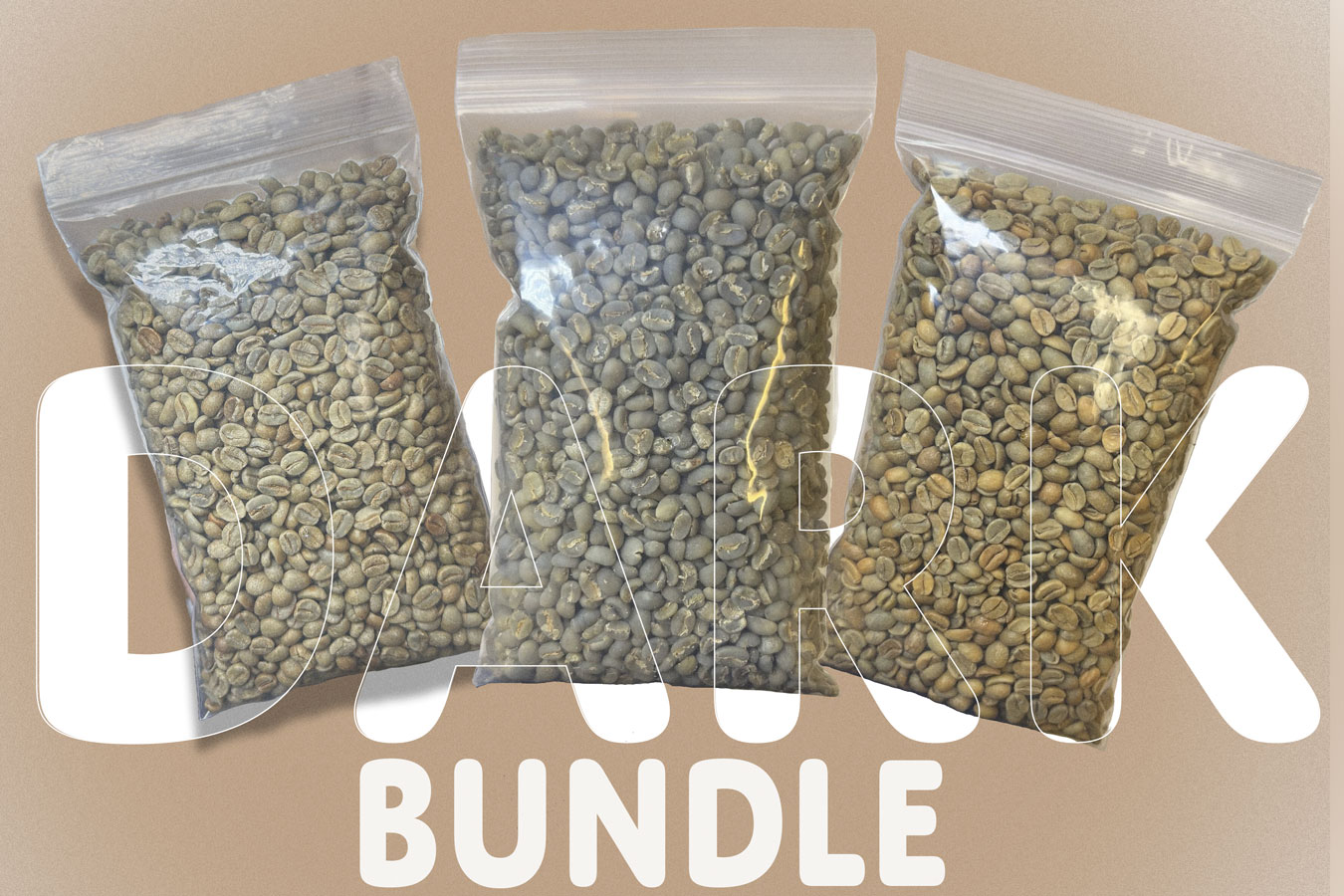
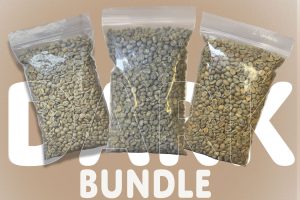
BCT’s coffee special includes three of our best dark roast coffees. Featuring our:
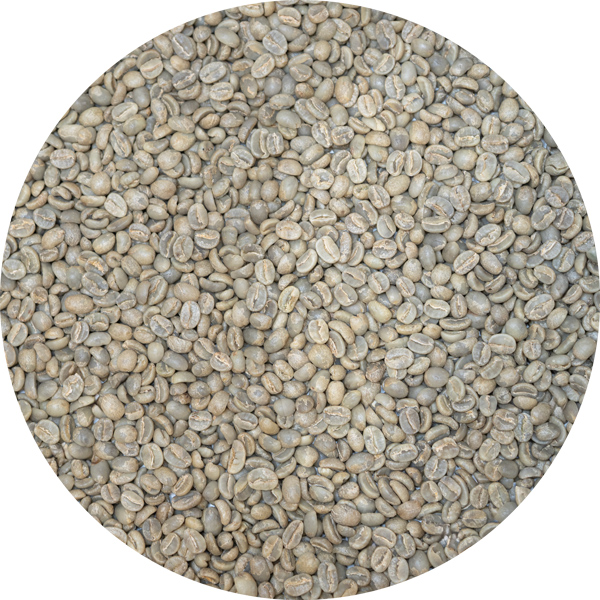
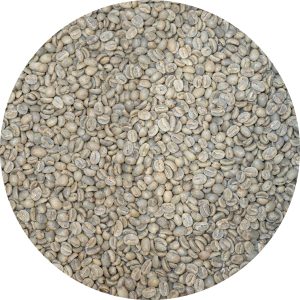
Rwanda Premium Nyamasheke – Kivubelt People Farm – Bourbon Washed
Produced by the Kivubelt group in western Rwanda, this lot comes from the Jarama Coffee Washing Station (CWS), one of two processing sites the Kivubelt company operates. Cyiya is a small community with a high elevation and distinct forest influence that contribute great potential to the coffee. Thanks to the farmers making the most of this potential, Cyiya’s coffee is annually among the top lots processed by the Jarama CWS.
Kivubelt was established in 2011 by Furaha Umwizey, after returning to Rwanda with a master’s degree in economics from Switzerland. Born and raised in Rwanda, Umwizey’s goal with Kivubelt is to create a model coffee plantation, as sustainable in agriculture as it is impactful in local employment and empowerment. The company began with 200 scattered acres of farmland in Gihombo, a community in Rwanda’s coffee-famous Nyamasheke district that runs along the breathtaking central shoreline of Lake Kivu.
Tasting Notes: A very fresh and tasty African. Enjoyable at any roast level; medium to dark roast was our favorite. Medium roast points provide a smooth cup on the nutty/chocolaty side, sweet tea flavors and a hint of citric. A little herbal spice lingers in the aftertaste but very mild comparatively to most Africans. Darker roasts add complimenting roasty notes, a sweet burnt sugar and chocolaty cup that is jazzed up with a little spice, lower acidity and a fuller body. One can take it lighter if you want to boost the fruitier citric & floral tones but it can be a pretty sharp cup right at first crack.
Roasting Notes: This coffee roasts well from light to dark. Push lighter if you want more fruity acidity; darker if you want thicker jazzy chocolate notes. Medium to low chaff, even roasting, can darken up a bit quickly in the roaster so make sure you see the expansion in size if shooting for a lighter roast point.
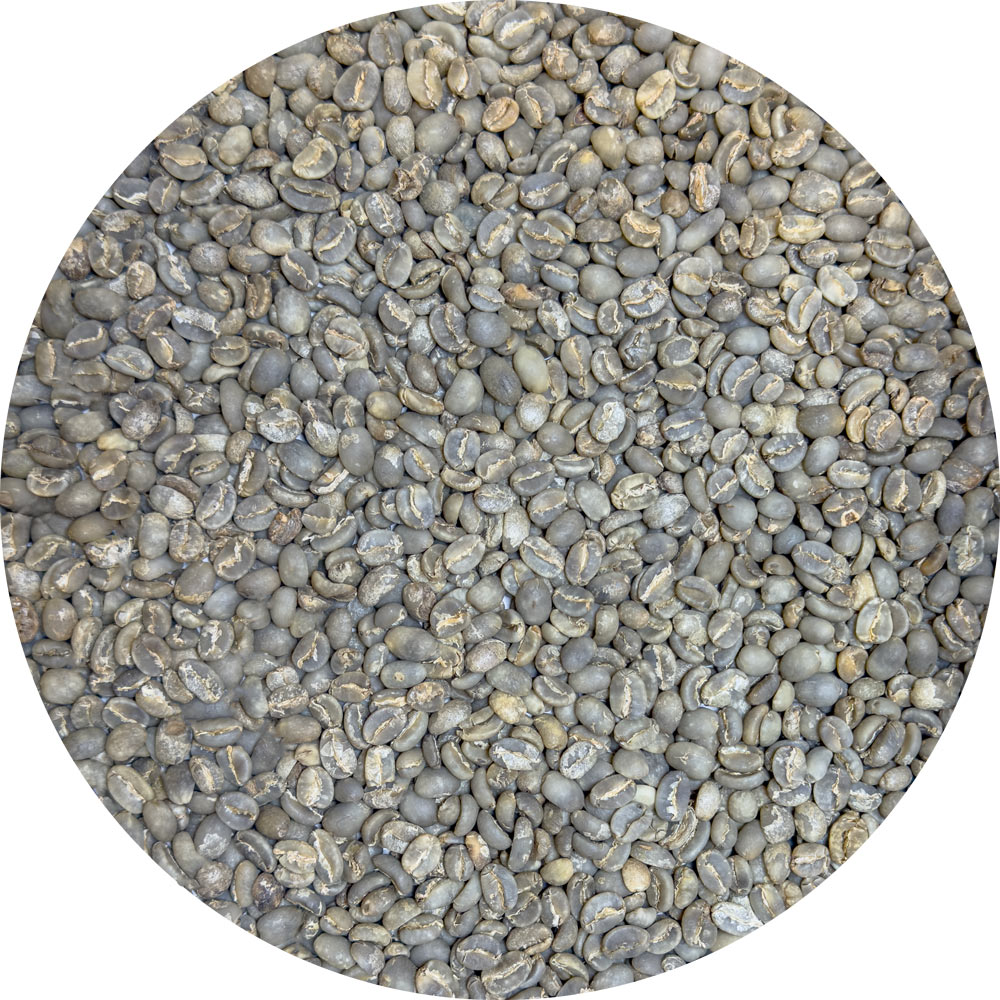
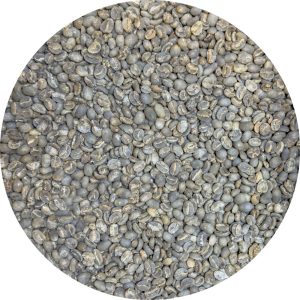
Indonesian Flores Bajawa Ngura “Komodo Dragon” Wet-Hulled
Bajawa is a town in the Ngada district of Flores, one of the major islands in Indonesia’s Lesser Sunda archipelago. Sourced from family-owned farms located on the fertile slopes of the Inerie volcano, this coffee carries the name “Komodo Dragon” as a tribute to the world’s largest lizard, which is endemic to Flores and the neighboring Komodo Island. The term “Ngura” in the local Bajawan language refers specifically to the wet-hulling process, a technique mastered by local farmer groups who have pooled their resources to elevate the region’s quality standards.
Coffee production here closely mirrors the “coffee garden” style seen in other parts of Indonesia, where coffee grows in volcanic soils at high altitudes (1,200 to over 1,500 meters) alongside shade trees. This combination of nutrient-rich volcanic terrain and high elevation creates a dense bean capable of developing intense sweetness and body. Unlike the large estates found elsewhere, these smallholders focus on meticulous hand-selection of ripe cherries, ensuring a cup that is surprisingly clean for this processing style.
Once harvested, the coffee is processed using the traditional Indonesian wet-hulling method (Giling Basah). The fruit is depulped and briefly fermented before the parchment is removed while the bean is still high in moisture. This unique exposure to the elements during drying is what gives this coffee and its famous cousins from Sumatra its signature heavy body, low acidity, and deep, earthy tones. The result is a bold, thick cup that captures the wild spirit of the volcanic island it calls home.
Tasting Notes: A cool and slightly different spin from a classic Sumatra but right along the same taste profile. Best served in the medium to dark roast range, where its massive body and rich sweetness truly shine. In the cup, expect strong notes of baker’s chocolate, molasses, and black licorice, grounded by a pleasant smoky earthiness. For those who enjoy a heavy, coating mouthfeel, this coffee is a delight. If roasted lighter, you might catch faint whispers of soft fruit or vanilla and a crisp semi-sweet tone, but the acidity remains very low. Darker roasts amplify the bold chocolate and herbal spice notes, making it perfect for those who want a punchy, low-acid morning brew or a base for a stout espresso blend.
Roasting Notes: Shines in the medium to dark range. A medium roast will keep the cup cleaner with hints of vanilla and sweet herbs; nudging it into the start of the second crack brings out the heavy body, dark chocolate, and classic smoky “Indo” character. It is an easy bean to roast with good screen size, but be careful not to scorch it if pushing high heat. Excellent for adding depth and crema to blends or as a standalone bold cup.
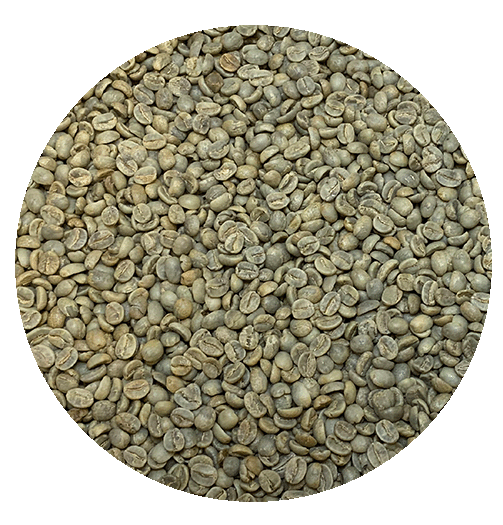
Mysore coffees are the best known and the most popular of all Indian coffees, they possess good body and snappy acidity. The overall taste profile is very unique, with spicy overtones. These spicy overtones come from the cinnamon, cardamom, nutmeg, cloves and pepper that grow alongside the coffee trees.
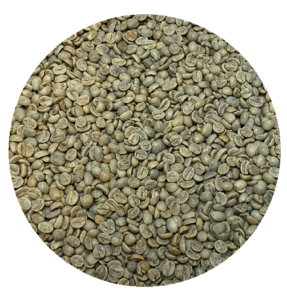
India Mysore Nuggets Extra Bold is sourced from several family-owned farms from the Chikmagalur District in Karnataka, India. Many of the farms have been in operation for close to one hundred years, passed down through the family from one generation to the next. Our Mysore Extra Bold is a fully washed coffee cultivated above 1,200 meters.
This lot is full bodied, with a rich full taste and moderate acidity. Very interesting and exotic, I like to roast this coffee a little darker, just into the second crack.
Tasting Notes: Indian Mysore Nuggets has been a favorite of Burman Coffee and customers for many years and this crop does not disappoint. The aroma is nutty, woody, and some slight smokiness. Many of the notes in the aroma come through in the flavor like walnuts and some smoke. There’s dark fruit, oak, licorice, and some vanilla spice, like a good dry red wine. The finish has a subdued brightness to it with just hints of lemon zest at lighter roast points. The body is medium to full depending on roast and brew. There’s a reason people keep coming back to this bean. It’s a smooth all around great stronger cup of coffee.
Roasting Notes: We recommend roasting this bean a bit darker, strong medium to traditional dark roasts. Too light and the brightness is too dominant and the boldness not developed enough.
Regional Details: If you think coffee from India sounds uncommon, wait until you hear about the Western Ghats mountain range where this coffee was cultivated. It is a UNESCO World Heritage Site and one of the most biologically diverse places in the world with more than 5,000 species of flowering plants and 508 different species of birds. The Neelakurinji flower is so uncommon that it only blooms every twelve years. And the legends say that the Western Ghats mountain range is the location where the first cultivated coffee in India arrived, from seven raw beans brought from Mocha by a Sufi saint on a pilgrimage to Mecca in the 17th century.



Reviews
There are no reviews yet.