




Description
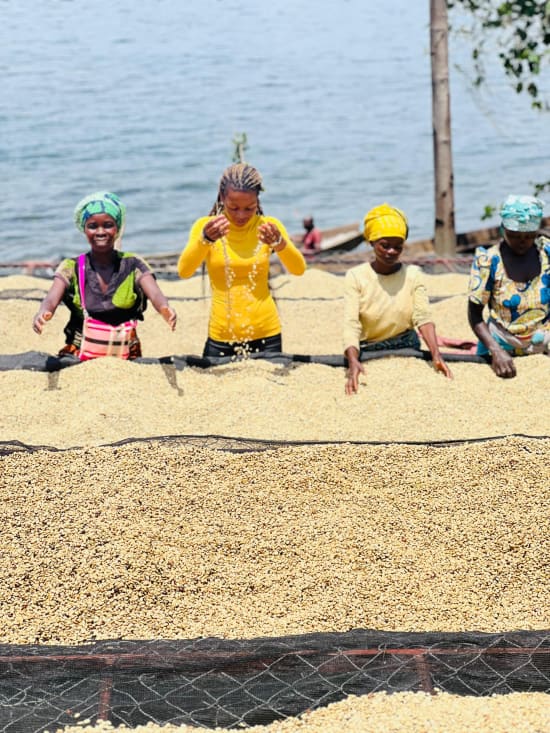
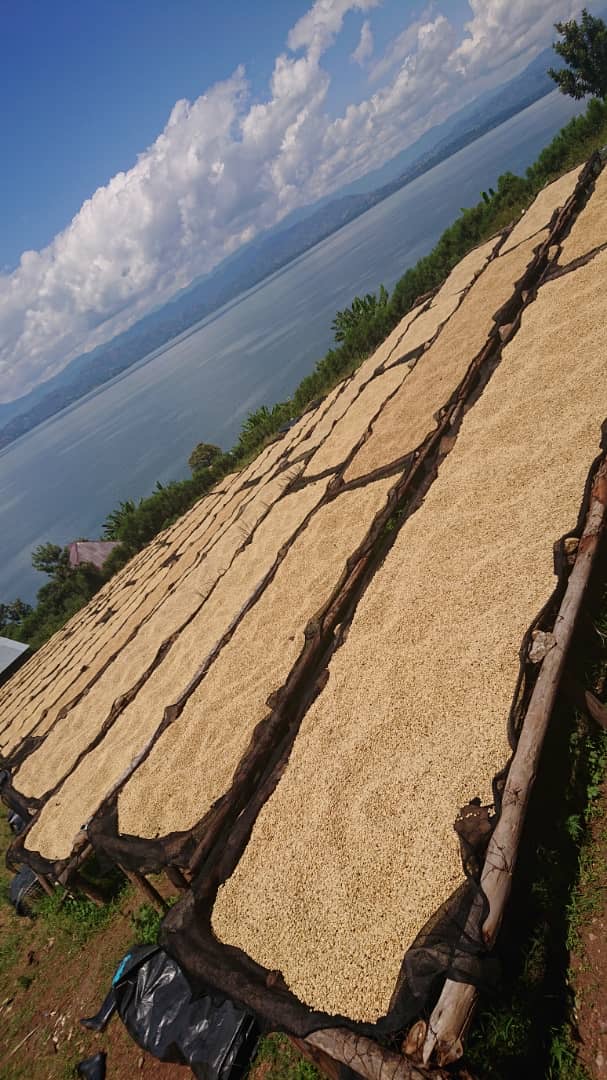
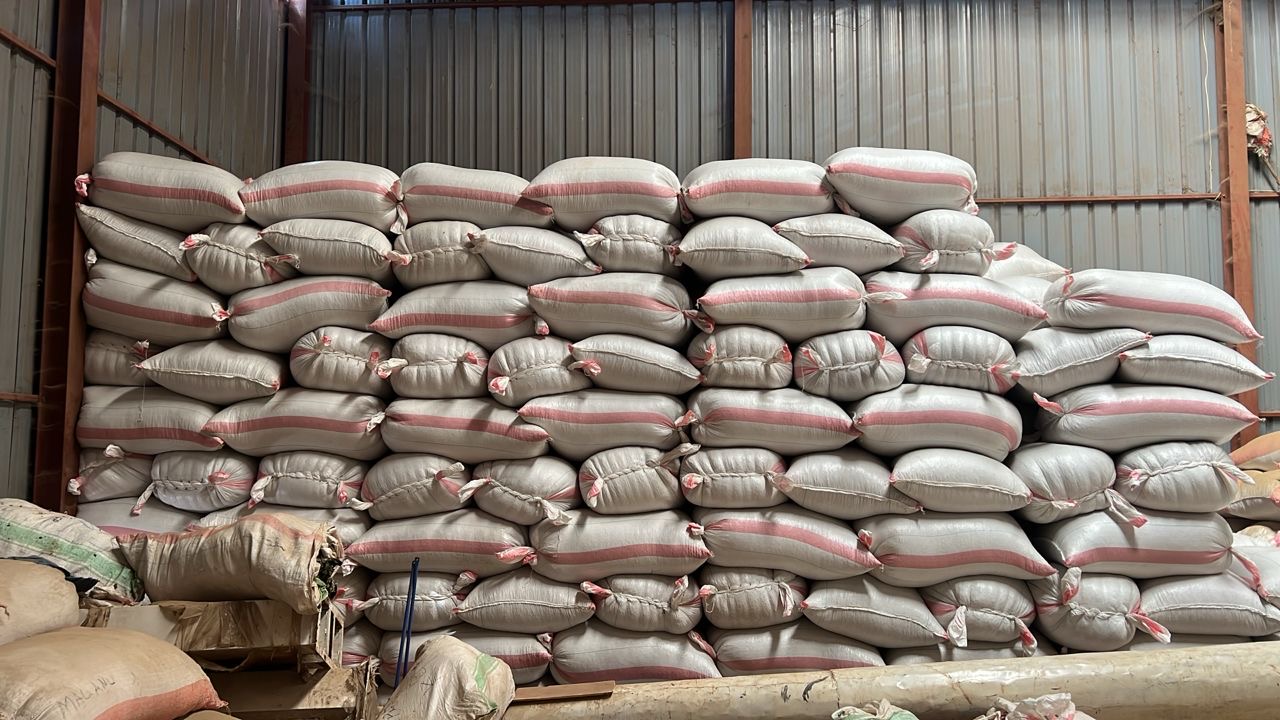
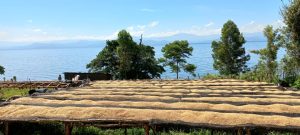
This AA grade offering comes from the women coffee producers of Idjwi Island who are members of the cooperative Rebuild Women’s Hope (RWH). Located in the middle of Lake Kivu along the border of Rwanda, Idjwi Island has long relied on coffee as a main source of income, though producers historically struggled to sell it. RWH was founded in 2013 by Marcelline Budza with the goals of fighting the inequalities women in agriculture face and supporting the health and empowerment of women and girls. This lot represents a collective effort from women growing Bourbon, Caturra, and Catuai varieties at elevations ranging from 1,500 to 2,000 meters above sea level. The cooperative’s mission is to give women back their voice by placing them at the center of integral development, believing that income controlled by women has a significant impact on family life and community well-being.
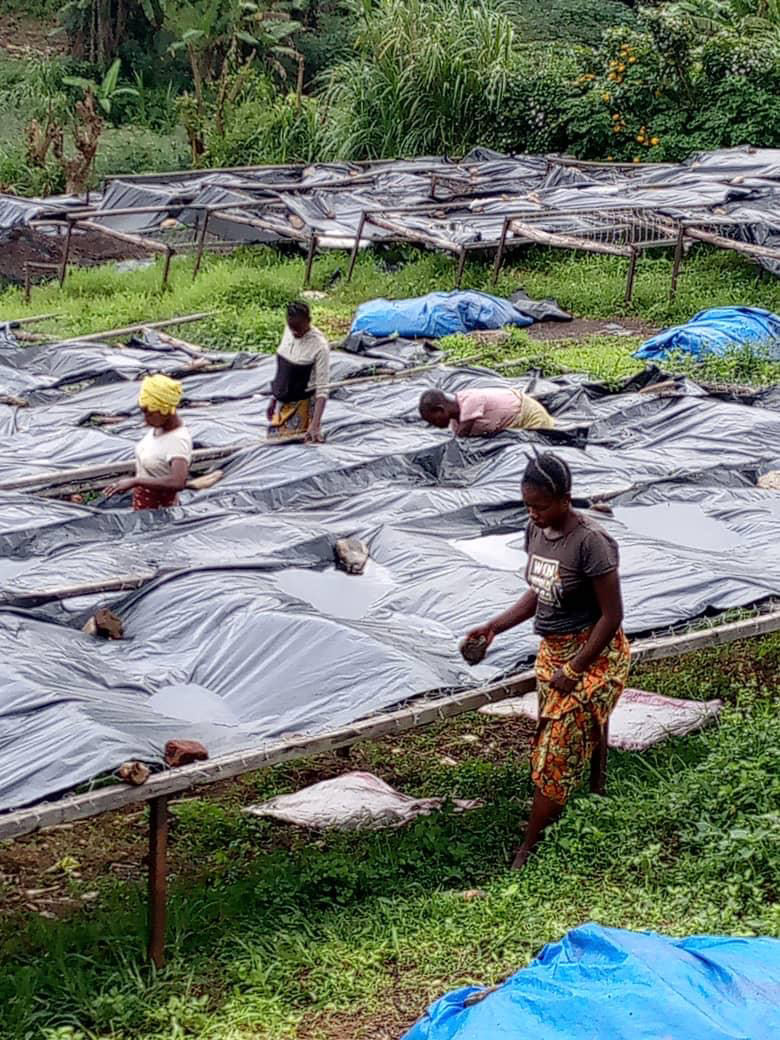
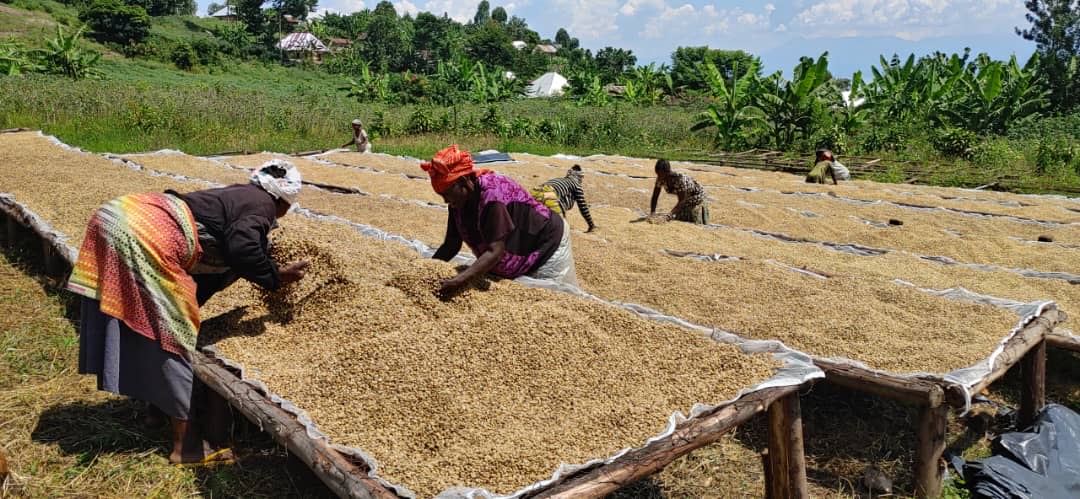
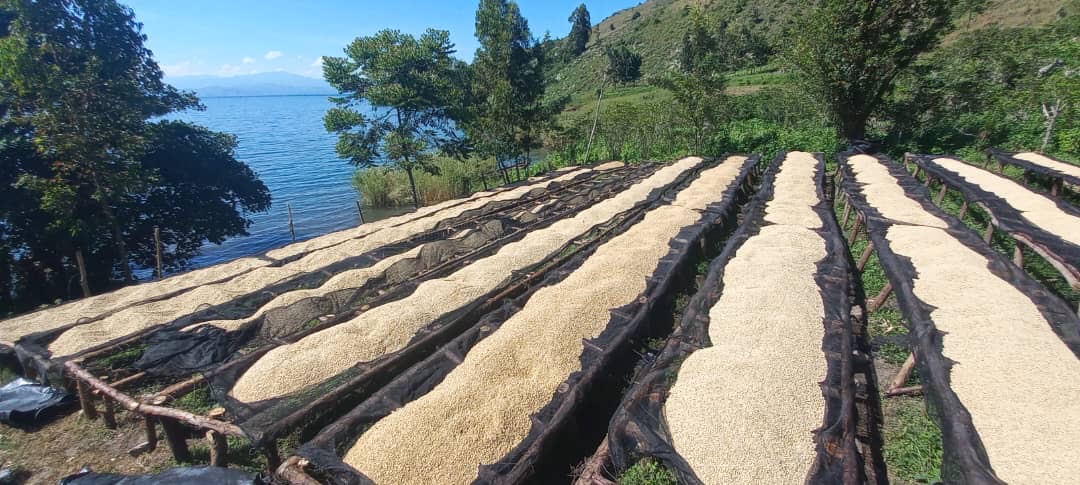
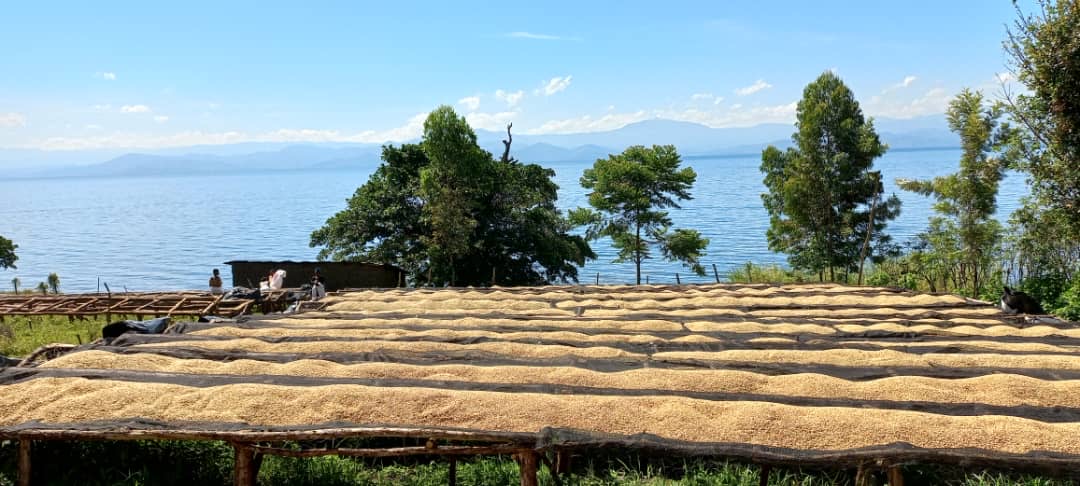
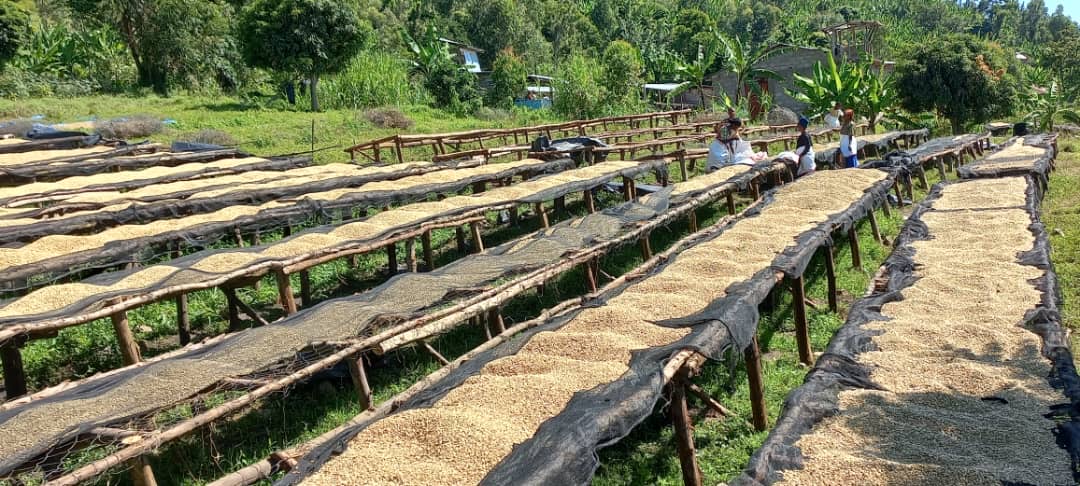
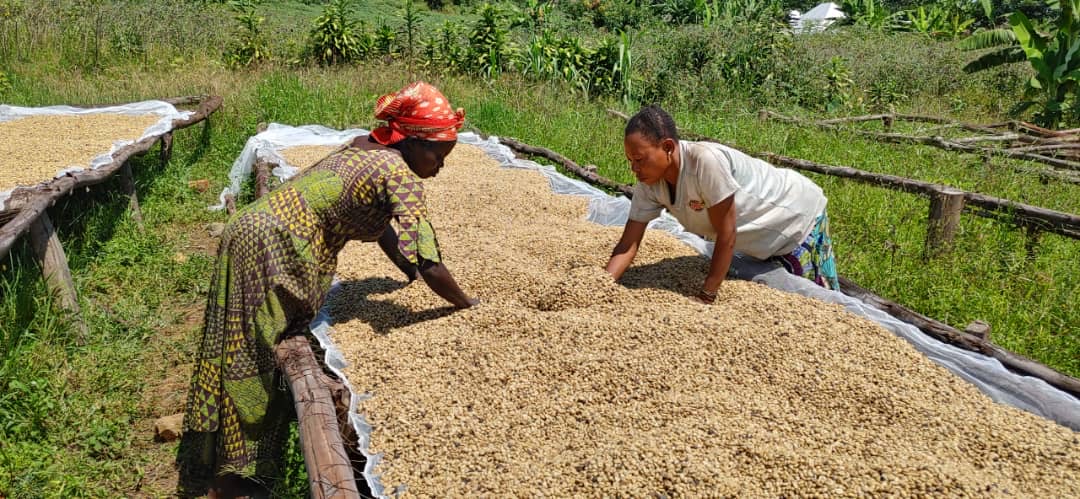
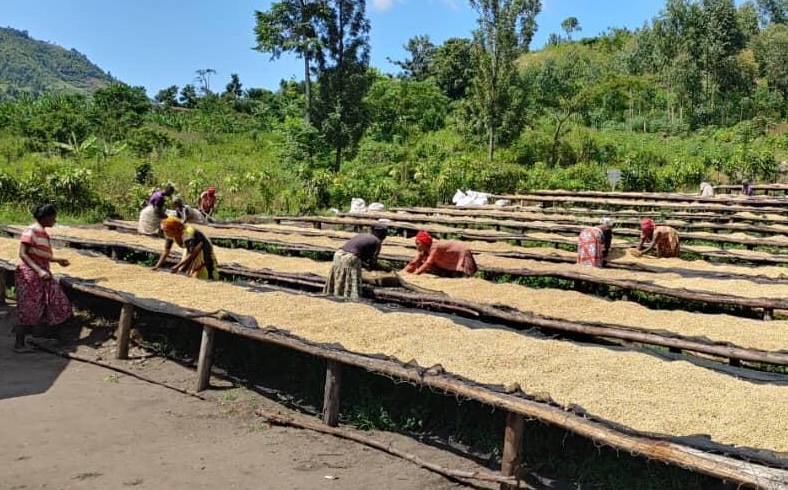
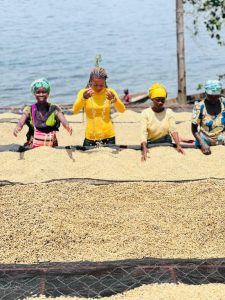
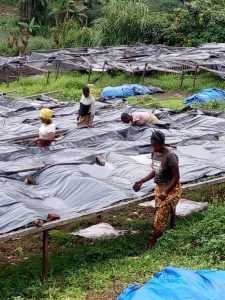
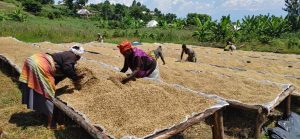
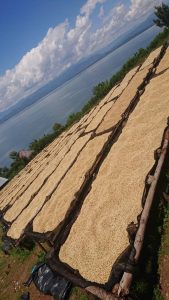
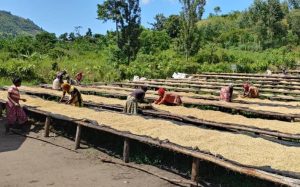
The processing for this coffee is specific to the Kalehe washing station and differs from other stations managed by the coop. To pulp the coffee at Kalehe, they use a Mackinon machine which does not remove the mucilage at all. The beans then undergo two fermentations—dry fermentation followed by wet fermentation—to remove the mucilage. From there, the coffee is washed, graded, and sorted on pre-drying beds before being transported to drying beds where it is dried for 21 days. This rigorous drying process respects the volume of coffee, stirring time, and humidity to ensure quality.
Beyond the cup, purchasing this coffee supports vital infrastructure on the island. RWH has constructed a maternal and pediatric hospital in the south of Idjwi which, in 2021 alone, facilitated the birth of more than 3,000 children and treated 8,000 outpatients. The cooperative has also completed three water supply systems and seven community water points to combat water-borne diseases and provide accessible drinking water. Furthermore, RWH educates producers’ households on the Gender Action Learning System (GALS) and teaches women new skills such as sewing, baking, and knitting to foster economic independence and fight poverty during the lean season.
Tasting Notes: This coffee offers a distinct profile characteristic of the region. The cup features strong savory flavors accompanied by notes of panela and burnt sugar. Despite these deeper, caramelized tones, the coffee maintains a lively character with juicy acidity and sugary sweetness. It is a complex cup that balances savory depth with sweet brightness, making it a unique offering compared to other African origins.
Roasting Notes: Given the high elevation of 1,500 to 2,000 meters and the careful drying process, these beans are dense and can handle heat well. A Medium Roast is a good starting point to highlight the “juicy acidity” and “sugary sweetness” mentioned in the cup profile. However, taking the roast slightly darker into a Medium-Dark range will likely enhance the “strong savory,” “panela,” and “burnt sugar” flavors, creating a richer, fuller body. If roasting lightly, ensure sufficient development time to account for the density and double fermentation process.



Reviews
There are no reviews yet.