

Description
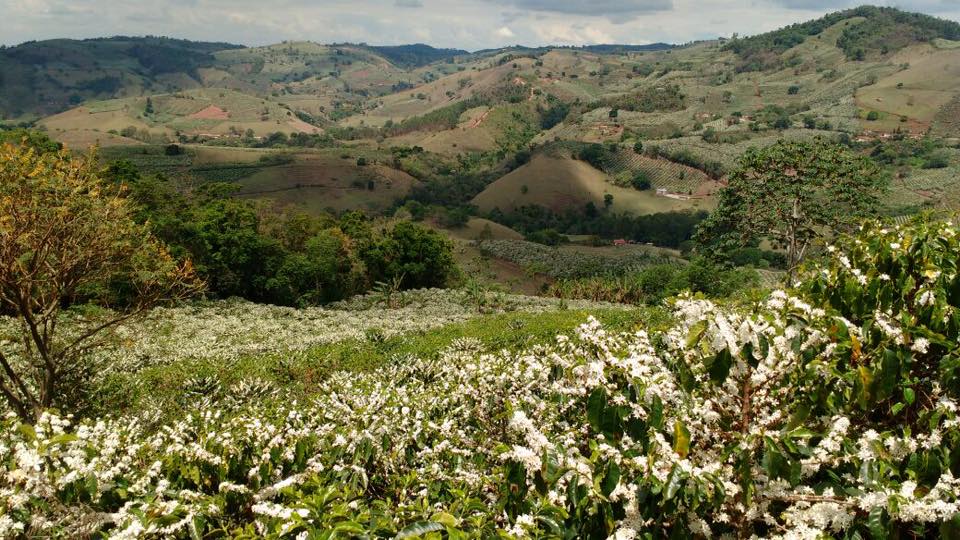
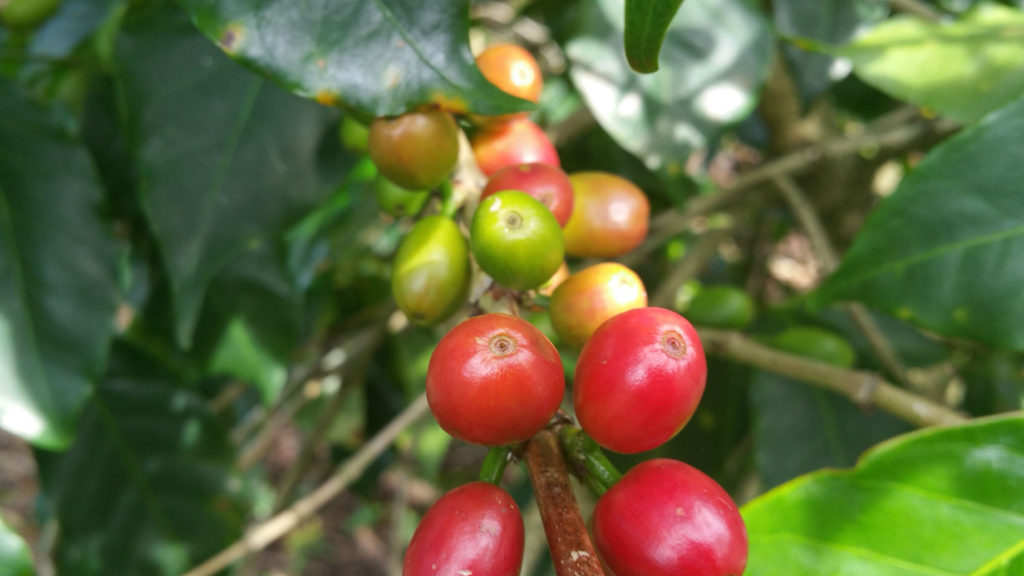
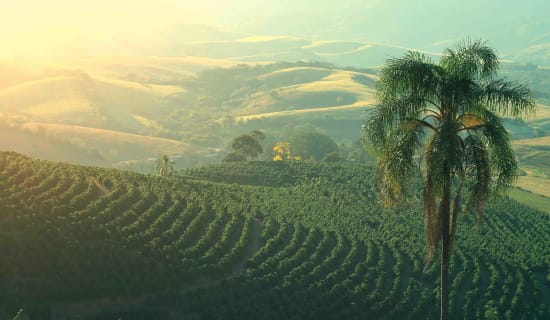
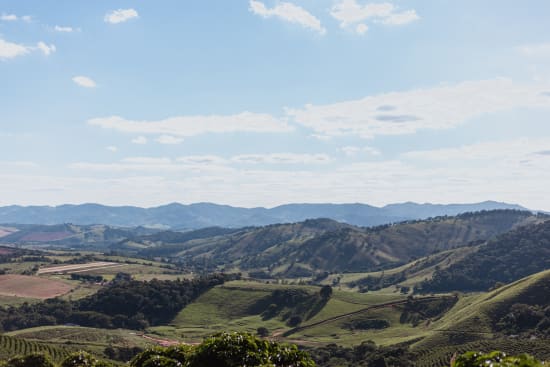
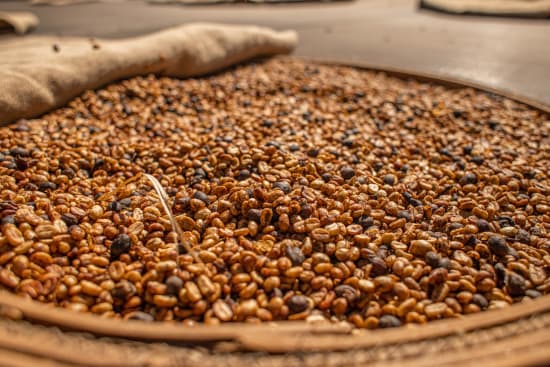
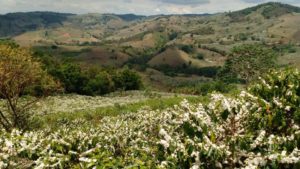
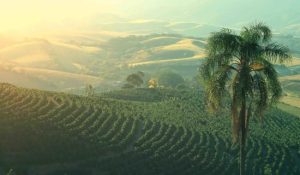
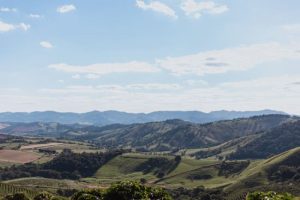
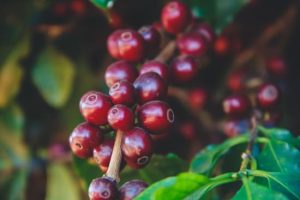
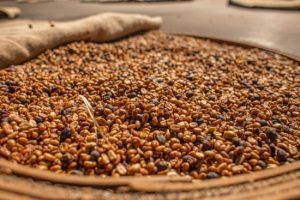
It’s hard to imagine the “beginnings” of coffee in Brazil, as the two things have become so synonymous. The first coffee plants were reportedly brought in the relatively early 18th century, spreading from the northern state of Pará in 1727 all the way down to Rio de Janerio within 50 years. In 1820, Brazil was already producing 30 percent of the world’s coffee supply, but by 1920, it accounted for 80 percent of the global total. Since the 19th century, the weather in Brazil has been one of the liveliest topics of discussion among traders and brokers, and a major deciding factor in the global market trends and pricing that affect the coffee-commodity market. Incidents of frost and heavy rains have caused coffee yields to wax and wane over the past few decades, but the country is holding strong as one of the two largest coffee producers annually, along with Colombia. Brazil’s post-harvest processing is also somewhat unique, and has been adopted largely in response to a combination of productivity, climate, and desired profile: Pulped Natural and Natural processing still dominates the industry here. Pulped Natural coffees are depulped and allowed to dry with their mucilage still intact; while Naturals are typically either dried on the trees before harvesting (called Boya) or picked and laid out on patios in order to finish drying before being hulled. Both processes tend to lend the coffees a nutty creaminess that has a more tempered fruit tone than the bright and acidic Washed or even Honey coffees we see elsewhere from Mesoamerica.
This coffee was gently decaffeinated using the Mountain Water Process (MWP) at the Descamex plant in Mexico. MWP is a 100% chemical-free, solvent-free method that relies only on pure water sourced from the glaciers of Pico de Orizaba. The green beans are pre-soaked to open them up, then bathed in a saturated solution of coffee solubles that pulls the caffeine out while leaving the flavor compounds, oils, and sugars remarkably intact. The caffeine is filtered from the solution, and the beans are re-dried and re-bagged the result is a decaf that still tastes like the origin it came from.
Tasting Notes: This is a comforting and classic coffee, ideal for those who enjoy low acidity, medium to dark roasts. In the cup, the Decaf Brazil Mogiana offers an experience dominated by deep notes of dark chocolate and roasted nuts (such as hazelnut or macadamia). Thanks to its natural processing after picking and the mountain water decaffeination process, it possesses a creamy and heavy body that fills the palate. It is a very low-acidity coffee, making it very gentle on the stomach. It excels as espresso (producing fantastic crema for a decaf) and works wonderfully with milk, where the chocolate notes transform into a cocoa-like beverage.
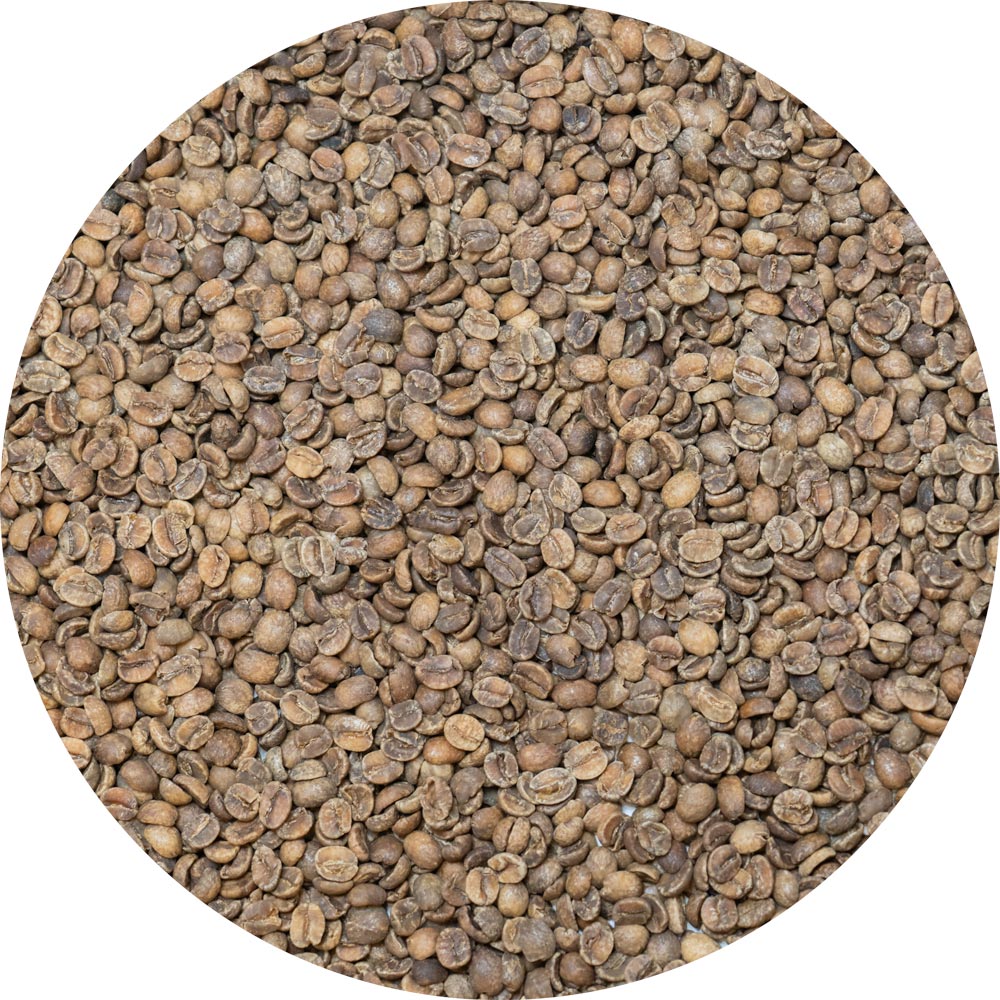
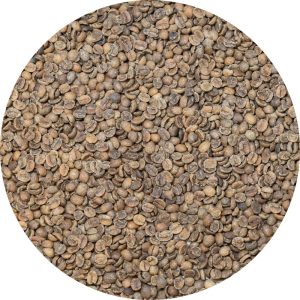
Roasting Notes: Like most water-process decafs, these beans have a darker, matte green color before roasting and darken faster than conventional coffee. Since the cellular structure of the bean has already been expanded by the water process, these beans are more porous and roast quicker. Keep a close watch; the “crack” can be softer and harder to hear. We recommend taking it to a Medium-Dark roast (just before or entering the second crack) to maximize the chocolate and nut notes. At very light roasts, it might feel a bit flat, so a little extra development benefits it greatly to bring out its characteristic sweetness and body.



Reviews
There are no reviews yet.