


Description
I have always had a fascination with the Congo – perhaps from a movie I watched as a child. What a different place and culture! It is often seen in a dark light, but specialty coffee cultivation serves as a beacon of progress in a troubled place.
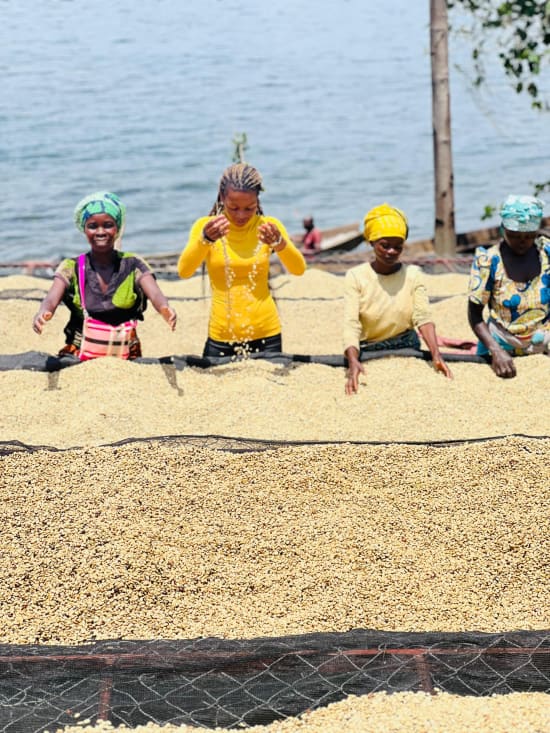
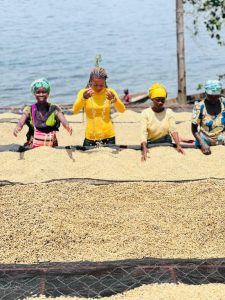
This offering comes from the women coffee producers of Idjwi Island who are members of the cooperative Rebuild Women’s Hope (RWH). RWH was founded in 2013 by Marcelline Budza with the goals of fighting the inequalities that women in agriculture face and supporting the health and empowerment of women and girls. The coop helps women take charge of their lives through entrepreneurship and self-reliance. It’s the group’s mission “to give women back their voice by placing them at the center of all integral development, in particular, economic empowerment and autonomy. We believe that income controlled by women has a significant impact on the life of the family, including the development and well-being of the community.”
Women have faced significant challenges both in their communities and in the coffee industry in the DRC. There is a general culture of socio-economic discrimination against women, and they often were refused the right to income from coffee as it was considered a man’s crop. Women were also denied access to land and land inheritance. In their communities, challenges include the underdevelopment of villages, lack of drinking water, lack of access to quality healthcare, and high illiteracy rates among women and the elderly.
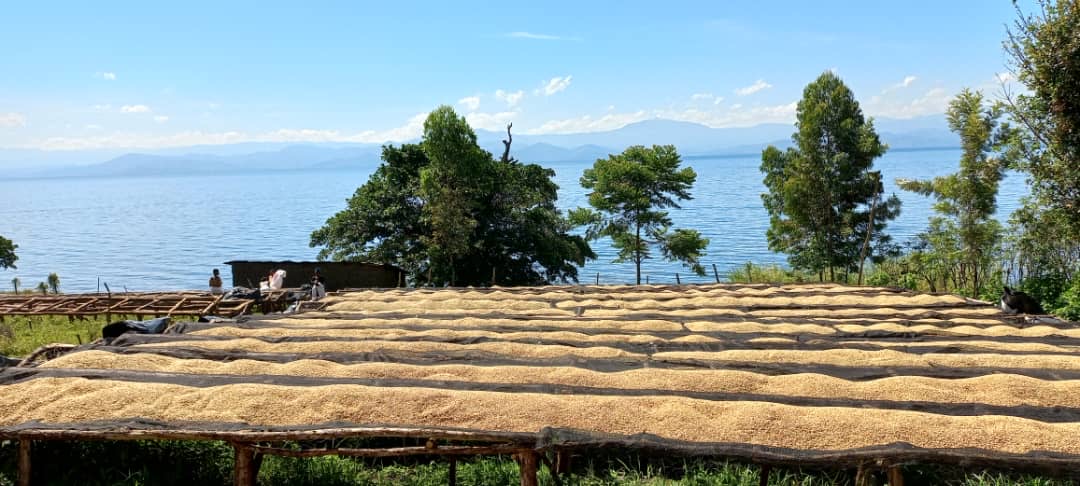
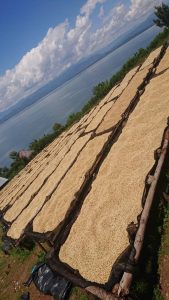
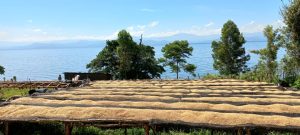
The island of Idjwi is located in the middle of Lake Kivu along the border of Rwanda. Coffee has long been the island’s main source of income, but producers there have consistently struggled to sell their coffee. The creation of cooperatives like RWH has completely changed the situation and opened the door to new opportunities for producers on Idjwi and the DRC, especially for women.
Tasting Notes:
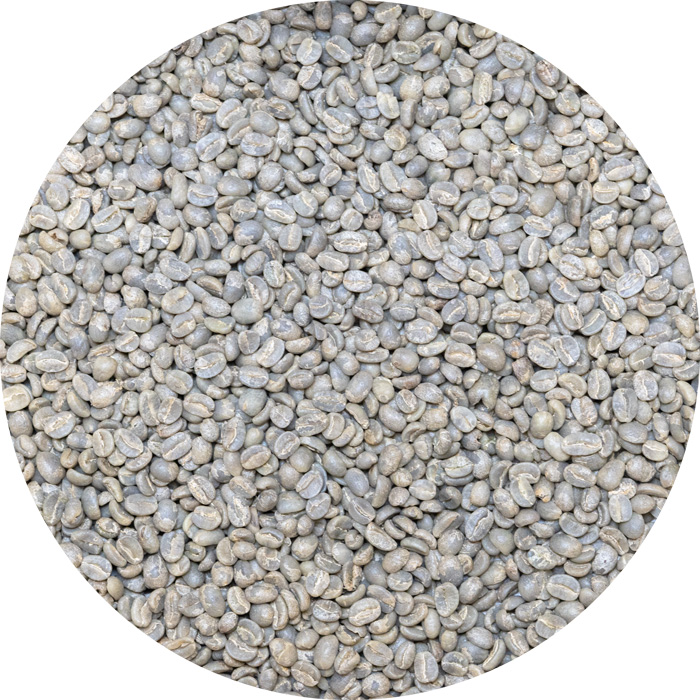
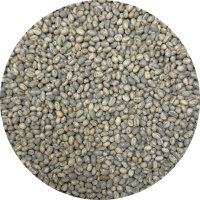
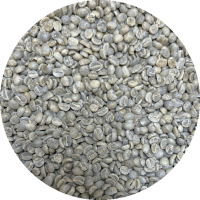
A super clean lot from the Congo; Amazing considering all the trouble this year in the Kivu; beautiful prep on these beans. We thought best around the medium roast level but works well from light to dark. Great floral and soft fruit tones upfront with a bit of brightness, not too overwhelming or potent like some Africans, delicate sweetness balanced with a little chocolaty spice. Smooth with almost a brown sugar hint at a strong medium roast. Pretty much everyone will love this coffee, a great everyday drinker. Strong savory with panela and burnt sugar flavors. Juicy acidity and sugary sweetness.
Roasting Notes:
Easy to roast and tasty at most roast levels. Lots of small little hints that get burned out into 2nd crack make this tailored towards lighter roasting but tastes great as you push it towards or into 2nd crack. A strong medium roast was our favorite, just starts popping out that caramelized tone without burning out complimentary floral/fruit tones.
Washing Stations:
RWH manages five washing stations: Hala, Boza, Chasi, Kalehe, and Kolwe. Chasi, Kalehe, and Kolwe are unique from Hala and Boza. This is due to the way the coffee is processed.
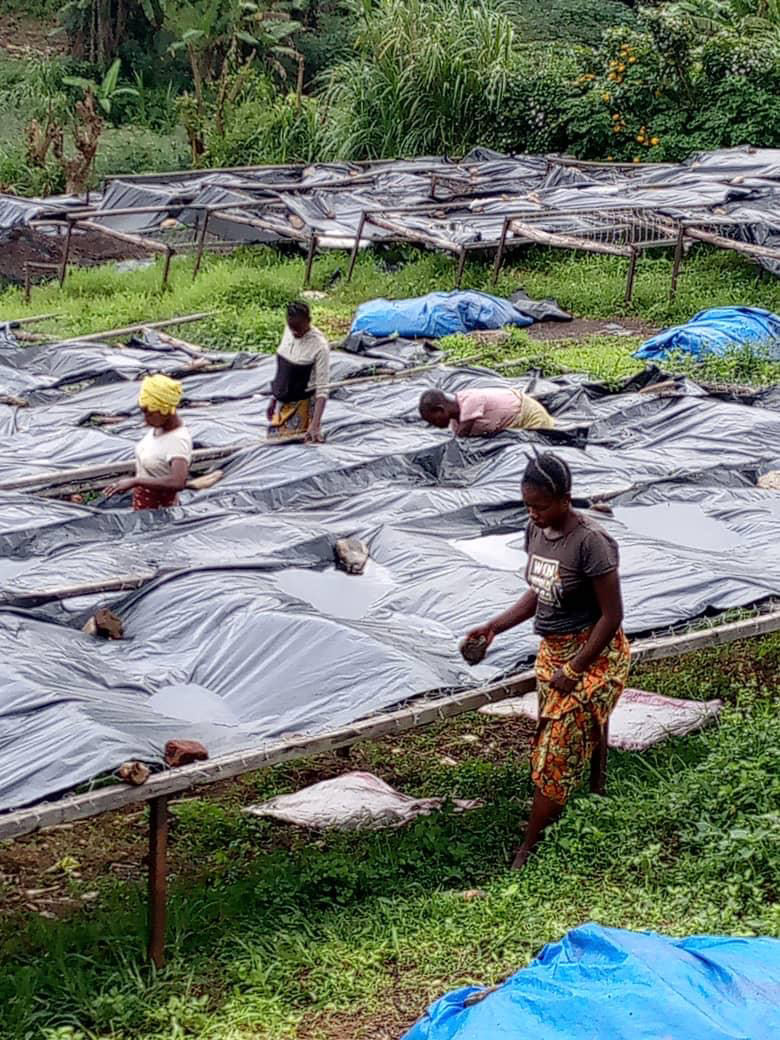
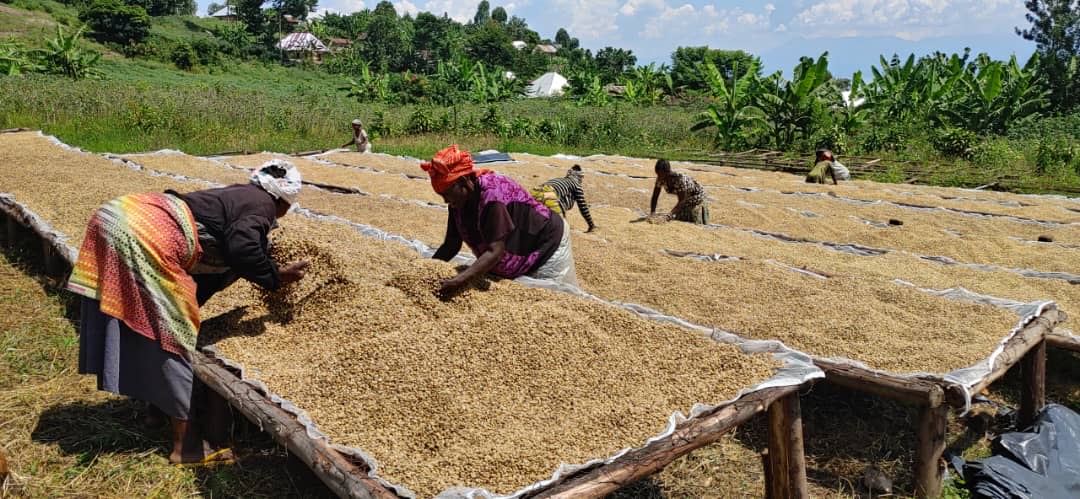
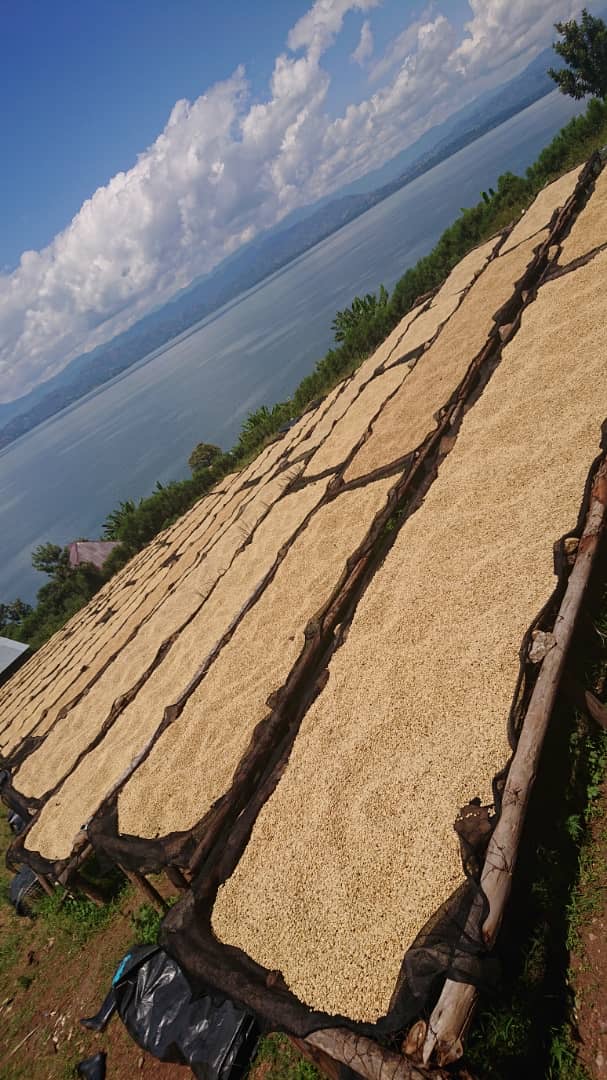
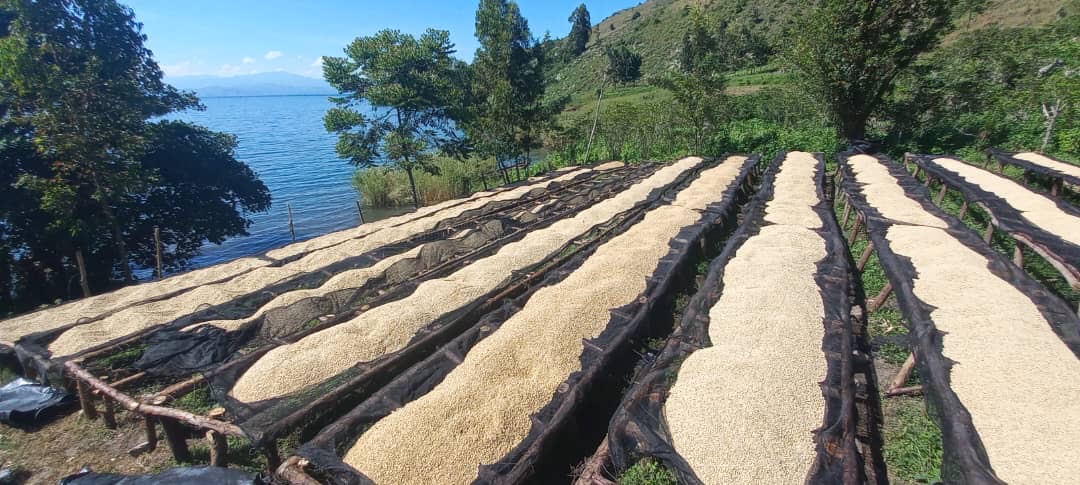
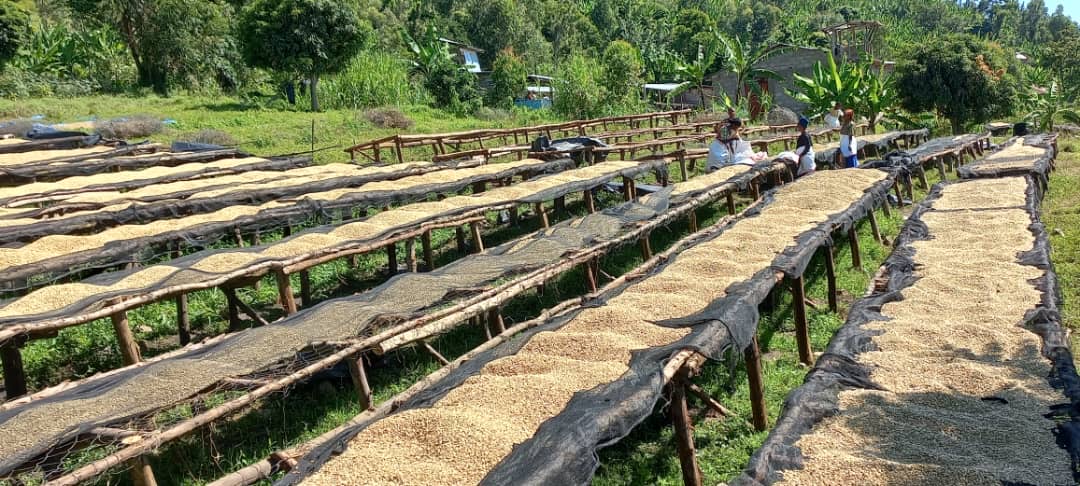
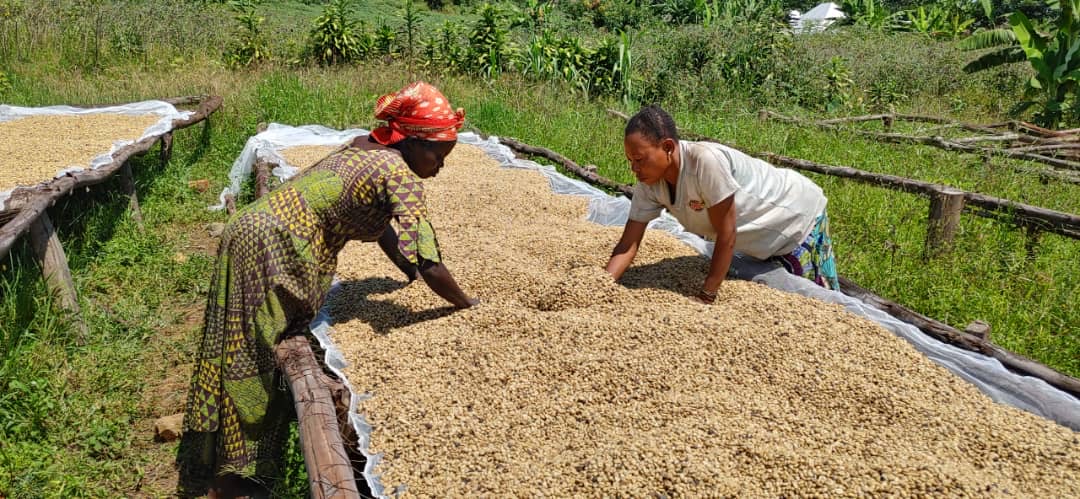
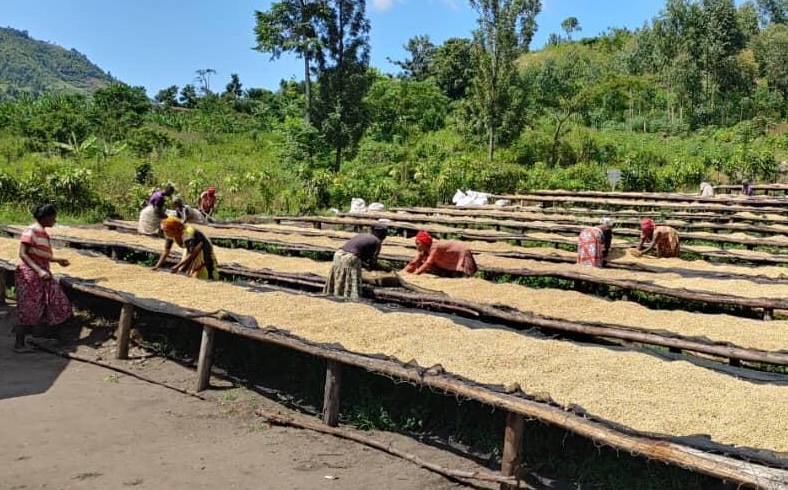
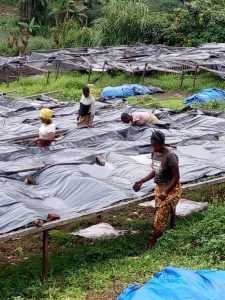
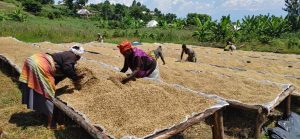
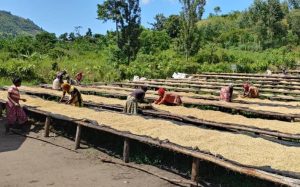
To pulp the coffee at Chasi, Kalehe, and Kolwe, they use a Mackinon machine, which doesn’t remove the mucilage at all. Then they do two fermentations, which are dry fermentation and wet fermentation, to remove the mucilage. From there, the coffee is washed, graded, and sorted on the pre-drying bed. At the end of the day, the coffee is transported to the drying bed where it is dried for 21 days, respecting the volume of coffee on the drying bed, the stirring time, and the humidity. At Boza and Hala, they use the Penagos machine, which removes 80 percent of the mucilage, and they only carry out wet fermentation to remove the remaining 20 percent of mucilage.
The soil structure at Chasi, Kalehe, and Kolwe differs from that at Boza and Hala, and these sites have young coffee plantlets that have been regenerated over the last three years.
Impact of RWH:
Construction of New Washing Stations: RWH has built five new washing stations since its creation, including Hala, Boza, Chasi, Kalehe, and Kolwe. The coop employs more than 5,000 women day workers during the coffee-growing season.
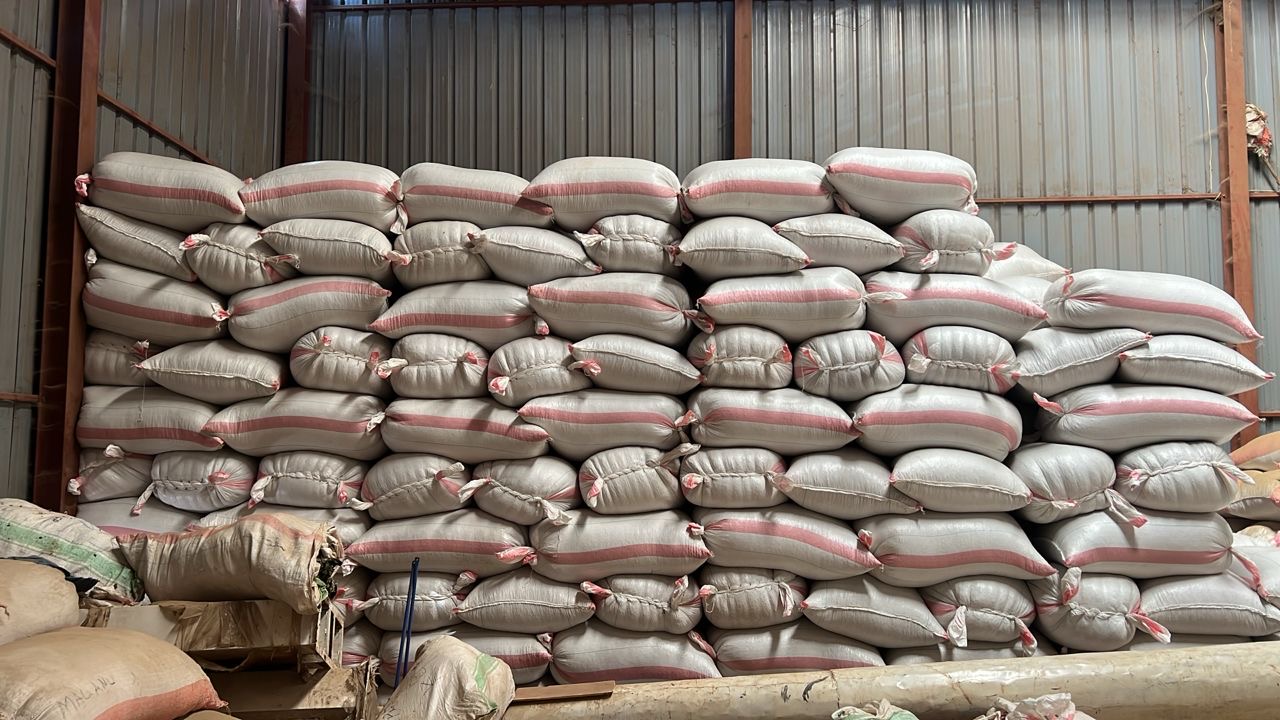
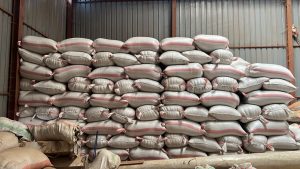
Coffee Processing: At Bukavu, the coop prepares coffee from processing, removes parchment, and stores coffee.
Agronomic Support: An agronomic program is being developed by RWH. It aims to promote sustainable agriculture through the principles of agroecology, increasing the yields of small-scale producers and safeguarding the environment.
Economic Development: RWH supports sustainable development and teaches women how to make money to foster independence and fight socio-economic discrimination. The coop educates producers’ households on the GALS system (Gender Action Learning System). RWH also focuses on teaching women new skills to continue to improve their socio-economic situation and fight poverty during the lean season. Women receive training in literacy, sewing, baking, knitting, and more, as well as managing their activities through business skills training.
Health: RWH has constructed a maternal and pediatric hospital in the south of Idjwi. In 2021 alone, the hospital facilitated the birth of more than 3000 children, treated 8000 outpatients, and treated 5000 patients suffering from various diseases (malaria, infection, etc.). The coop aims to increase the hospital’s capacity by building an operating theater to make services more accessible. They also partner with Coffee Circle to promote gender equity in health. This work includes trainings for medical staff on sexual and reproductive rights, awareness-raising campaigns for youth and women’s groups or networks, and meetings for men and boys on gender equality.
Water and Sanitation: The coop has carried out water supply work in various villages to combat water-borne diseases and provide local communities with accessible water. Between 2015 and 2020, RWH completed three water supply systems and seven community water points that provide drinking water to producers’ communities.



Reviews
There are no reviews yet.