
Description
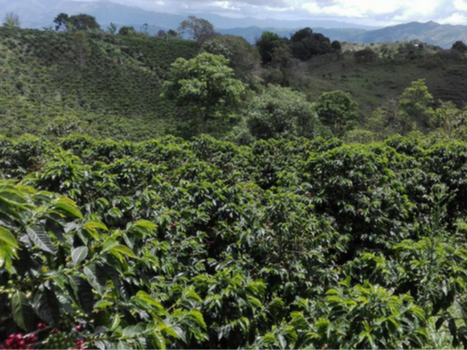
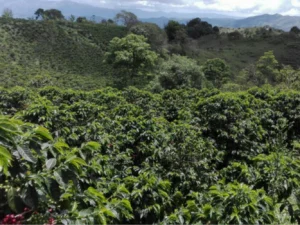
This fantastic lot comes from a group of small, independent farmers in the famous Huila region of Colombia, right where the Andes mountains come together. Grown high up in nutrient-rich volcanic soil between 1,550 and 2,000 meters this coffee features the unique Pacamara bean. Pacamara is a special hybrid created in the 1950s by crossing the smaller Pacas plant with the giant Maragogipe (often called the “Elephant Bean”). The goal was to get the best of both worlds: a tough plant that produces big, high-quality beans. While it can be tricky to grow, the perfect microclimate in southern Huila allows this coffee to truly shine.
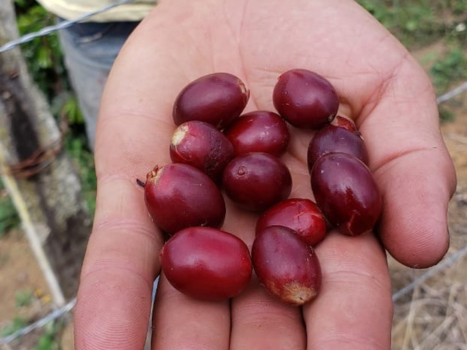
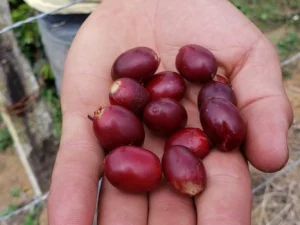
This batch is fully washed, but the farmers added a special twist to boost its fruity flavors. After picking and peeling the coffee cherries, they let the beans ferment in water tanks for a longer-than-usual period (36 to 48 hours). This extra fermentation time is the secret behind the coffee’s incredibly juicy and vibrant taste. Afterward, the beans are washed and slowly dried in the sun until they are perfectly ready for export.
Tasting Notes: A great cup from light to dark. Medium to full bodied with medium brightness levels. Thanks to the unique Pacamara bean and the extra fermentation, this coffee pops with a bright, juicy acidity at the light to medium roast levels. You’ll immediately notice a slightly red fruited citric note, backed by a clean sweetness and a nutty/cocoa undertone. As the coffee cools down in your mug, a little hint of blueberry come out. It’s a beautifully vibrant cup that shows off the best of the Huila region. When the coffee is hot, it isn’t quite as expressive; after a few minutes, it begins to develop and reveal all of its notes more clearly. If you push the roast to a strong medium or borderline dark roast, it builds a strong chocolaty factor and cuts the citric out of the cup, can turn a little bittersweet into second crack but was still very enjoyable. A little fruitiness is detectable as the cups cools.
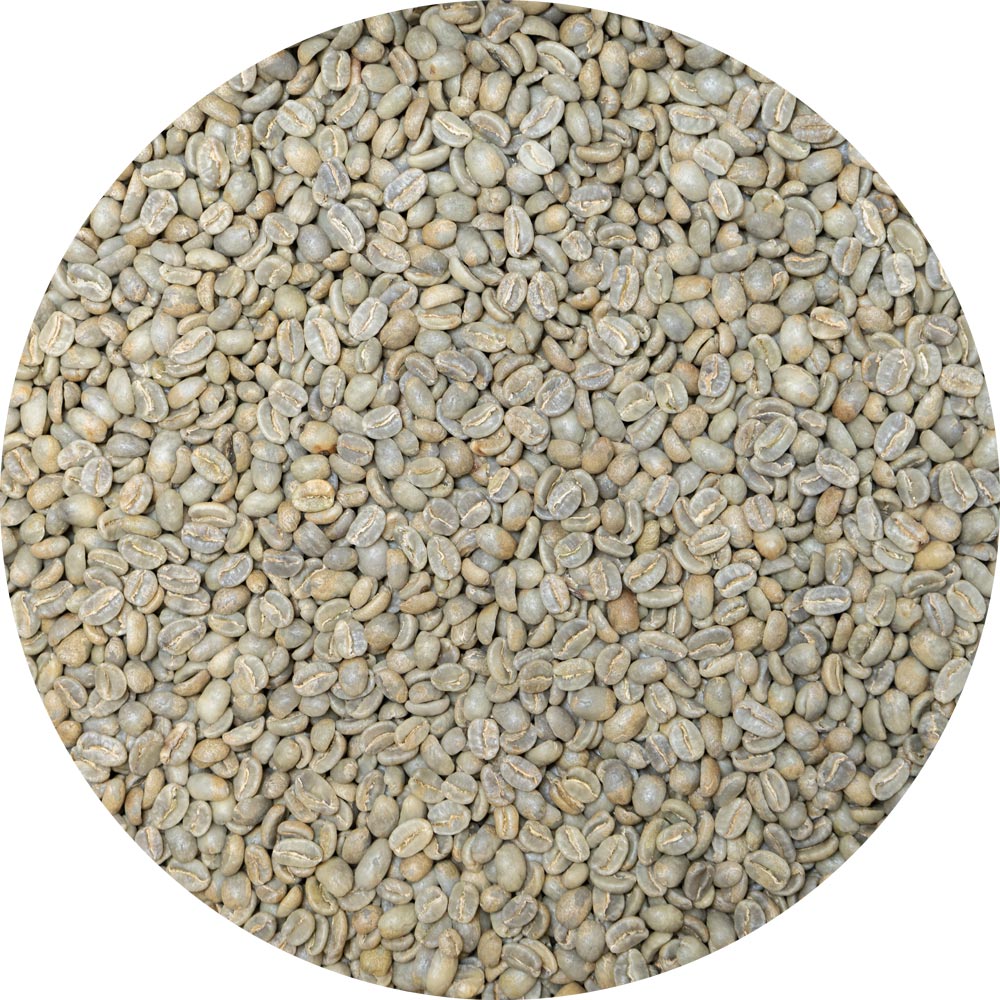
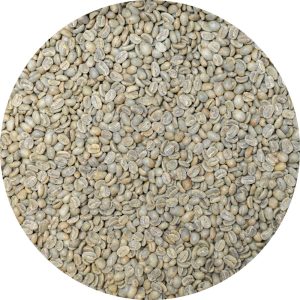
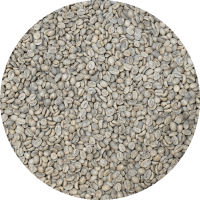
Roasting Notes: The first thing you’ll notice is the size of these beans they are huge! Because they are so large and dense from growing at such high altitudes, they roast a bit differently than average beans. You’ll want to apply a good, solid amount of heat early in the roast to make sure the thick core of the bean cooks evenly. However, as you get closer to First Crack, be ready to back off the heat and increase your airflow so you don’t scorch the outside of the bean. We highly recommend a Medium roast. This hits the absolute sweet spot: it tames the bright acidity just enough while letting all those amazing honey, guava, and sweet notes shine through perfectly.

travis.penn (verified owner) –
This was very enjoyable. Roasted light-medium, made espresso. The coffee had a creamy texture with a pleasing fruit flavor similar to tart cherries. A lot of fermented flavors, but nothing tasted off. After black, I tried with a little cream that actually enhanced the fermented flavors. Like with other highly fermented coffees, these tastes linger in the mouth for a long time after drinking. This can make some funkier coffees unenjoyable, bur since all thunknowable, this coffee were pleasant, I didn’t mind the lingering taste.